Home Improvement Tips for Long-Term Use

Home Improvement Tips for Long-Term Use
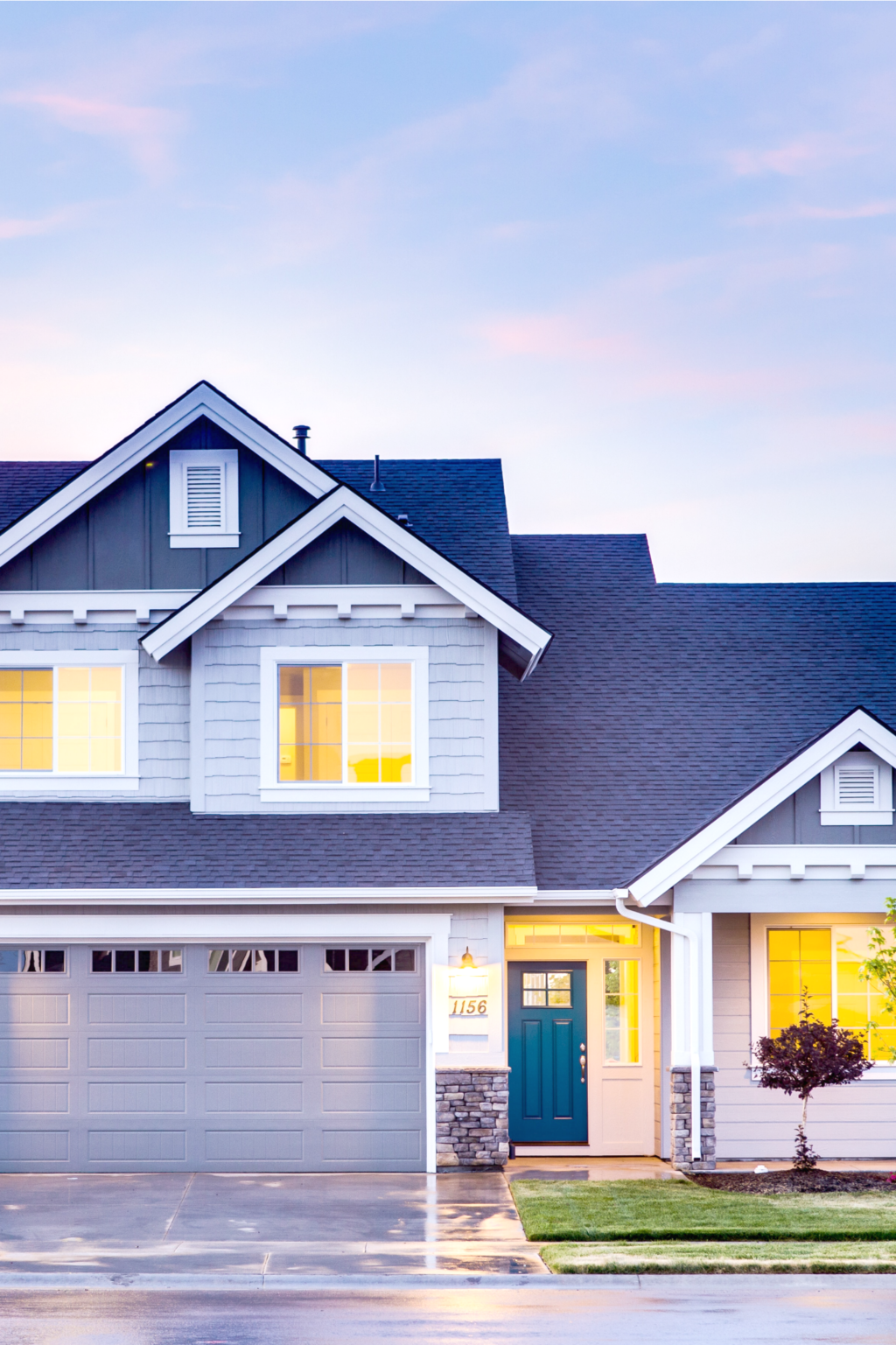
Ever felt like every other house in Colorado is either halfway renovated or in the middle of being flipped again for profit?
The state’s booming real estate market has made fast turnarounds a favorite sport, but not everyone wants to play.
If you’re planning to stay put, your home upgrades shouldn’t just chase resale hype—they should work for you over the long haul.
In this article, we will share home improvement tips designed for lasting use, not fleeting trends.
Start With What You Can’t Easily Replace
The bones of a home matter more than any backsplash. Foundations, roofing, plumbing, electrical—these aren’t glamorous upgrades, but they’re what hold everything else together.
Investing in your home’s structural and functional systems first may not come with instant visual payoff, but it pays dividends in peace of mind.
Take roofing, for instance. It’s not just about keeping the rain out—it’s about protecting every dollar you pour into the rest of the house.
If you’re planning to stay in your home for the next ten, twenty, or even thirty years, don’t settle for the cheapest option.
A durable roof, well-installed and regularly maintained, will hold up under wind, hail, and the weird weather patterns that seem to be the new normal. Good local contractors understand these regional shifts better than anyone.
That’s where working with Boulder roofers makes a difference.
They know what materials actually perform over time and how to install them in ways that prevent future headaches, not just patch problems temporarily.
Choosing high-quality materials for long-term exposure, especially in critical parts of the home, sets you up to avoid the slow leak that becomes the massive repair.
And it means when you do decide to upgrade visible finishes, you’re not building on a shaky foundation—literally or figuratively.
Stop Following Trends That Don’t Fit Your Life
Instagram is not your contractor. Trends come and go, but your daily habits don’t shift just because open shelving had a moment.
That high-gloss, fingerprint-loving finish might photograph well, but how will it handle five years of toddlers or pets?
Will that stark minimalism still feel good in winter when natural light disappears at 4:30 p.m. and the walls feel like a dentist’s office?
Instead of reacting to what’s hot, think about how you live. Do you cook every day or mostly microwave leftovers?
Do you work from home or barely spend time indoors? Are your weekends spent hosting, parenting, repairing, or escaping?
The answers shape which improvements will actually make your life easier.
A well-designed mudroom might not scream luxury, but if you’re dragging in gear every day, it becomes the feature that protects your floors, contains your clutter, and saves your sanity.
Similarly, built-in storage isn’t flashy, but it adds lasting function in a way that flat-pack furniture never will.
Smart design means your home adapts to your life, not the other way around.
Materials matter here, too. Engineered hardwood might look like real oak, but it handles humidity swings and daily wear much better.
Quartz countertops resist damage and need less fuss than marble, and high-quality hardware may outlive the cabinets it’s attached to.
These choices aren’t about show—they’re about staying power.
Energy Efficiency Isn’t Optional Anymore
Rising utility costs have made energy upgrades more than a green talking point—they’re practical strategy.
Insulation, window upgrades, solar panels, and HVAC updates used to be “nice to have.” Now they shape monthly bills and long-term livability.
Start with insulation. It’s the unsexy hero of home improvement. Good insulation reduces heating and cooling costs, balances indoor temps, and blocks out more noise than you’d think.
Sealing gaps around doors, windows, and ductwork might not make headlines, but the savings add up fast.
Window replacement gets more attention and, when done well, adds both curb appeal and real function.
Double-pane or triple-pane models with gas fill and low-E coatings help regulate temperature, block UV rays, and muffle street noise.
And while it’s a bigger-ticket item, rebates and credits available under current federal energy policies can offset a chunk of the cost.
Design for Aging, Even If You’re Not There Yet
Aging in place used to be a niche idea. Now, it’s a standard consideration. Whether it’s you, your parents, or just a practical view of the future, designing a home that accommodates physical changes makes sense.
And the best part is, when done right, these adjustments don’t feel like compromises. They just feel smarter.
Start with the basics: wider doorways, zero-threshold showers, non-slip flooring. Lever-style door handles and rocker light switches are easier for everyone, not just those with limited mobility.
Placing a primary bedroom on the main floor isn’t a sign you’re giving up—it’s a move that increases flexibility.
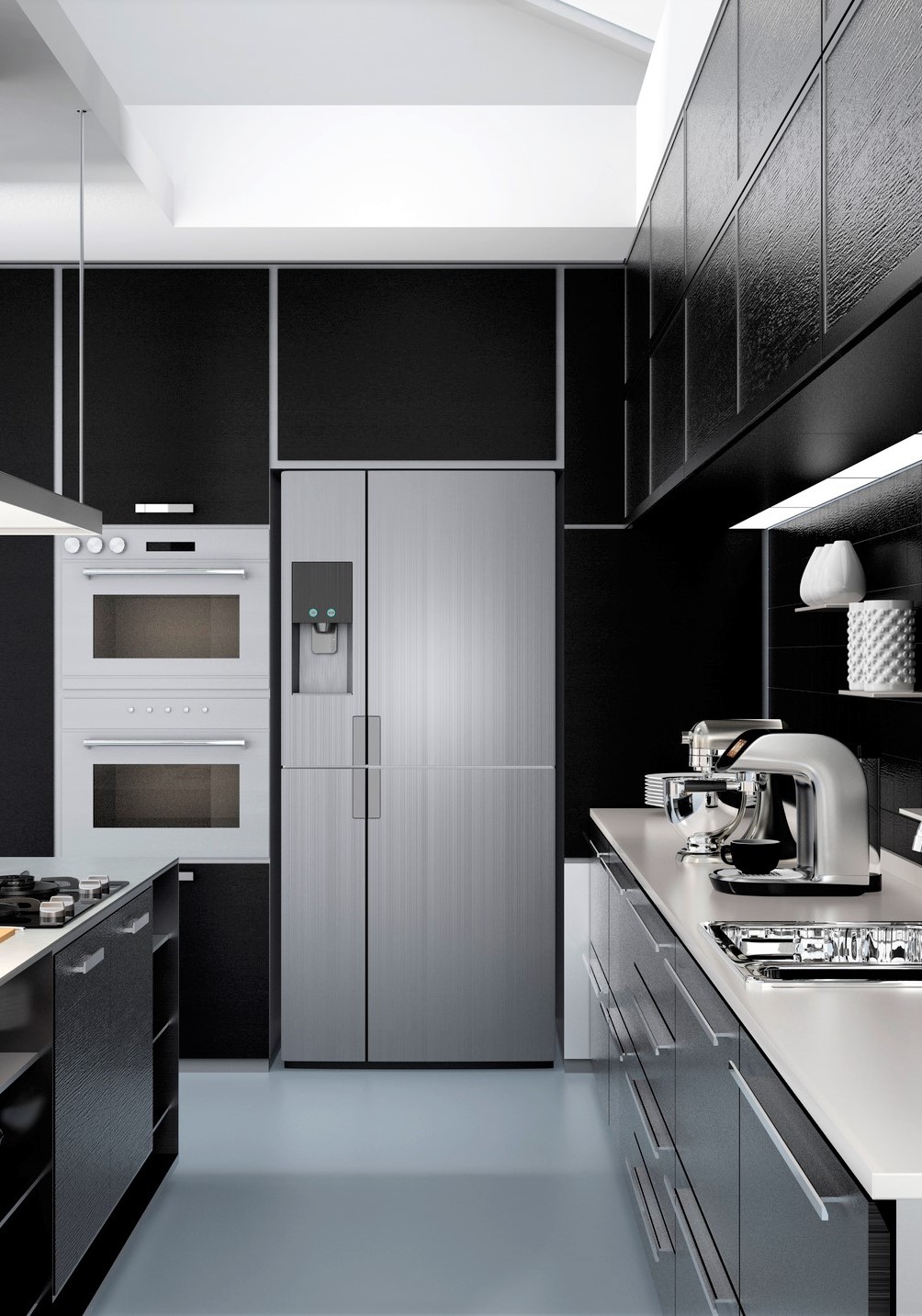
Kitchens can be future-proofed too. Pull-out shelves, under-counter lighting, touchless faucets—these are conveniences now and accessibility tools later.
A space that’s easy to move through, easy to clean, and doesn’t require acrobatics to use becomes valuable in more ways than one.
You don’t have to turn your home into a hospital to make it last. You just need to plan like someone who wants to live comfortably, not just beautifully.
Don’t Neglect What You Don’t See Every Day
Attics, crawlspaces, basements—these are the blind spots of many homes, and they’re often where long-term issues begin.
Moisture intrusion, pest infestations, poor ventilation, and structural settling start small and spread slowly. Left alone, they cost more to fix than they would’ve cost to prevent.
Routine inspections aren’t glamorous. They don’t come with bragging rights.
But spending a weekend every year checking for leaks, cracks, or odd smells will save future-you from the awful surprise of mold, wood rot, or a sagging foundation.
Water management, in particular, is worth obsessive attention. Gutters, downspouts, grading, and sump pumps all play a role in keeping water away from your home’s foundation.
You won’t see the results, but you’ll feel them in what doesn’t break.
Likewise, stay current on pest barriers. Termites, carpenter ants, and rodents aren’t just nuisances—they’re destroyers.
Make sure vents are screened, entry points sealed, and wood kept dry and elevated.
The long-term value of your home depends as much on what you maintain as what you improve.
Improving your home for long-term use means seeing the house not as a project to flip, but a system to live in.
Every change should serve a purpose—comfort, durability, efficiency, safety.
Aesthetic upgrades still have their place, but they’re stronger when they sit on top of systems that are built to last.
With housing costs up and uncertainty everywhere else, making your home work better for longer is one of the smartest moves you can make.
Not just for the market, but for yourself.
Do you have any home improvement tips to share?
Let me know, til then—cheers m’deres!

PIN FOR LATER:


Nancy Polanco is a freelance journalist, lifestyle content creator, and editor of Whispered Inspirations. She is a proud Mom to Gabby and Michaela and partner and best friend to Darasak. Having worked as part of a health care team for almost a decade, Nancy is happy to be back to her passion. She is a contributor to the Huffington Post, TODAY’s Parents, and an Oprah Magazine Brand Ambassador.