Planning a Bathroom That Works for Everyday Life
Planning a Bathroom That Works for Everyday Life
A bathroom should be comfortable, practical, and easy to maintain. While updated fixtures and attractive finishes can improve its appearance, the layout, lighting, storage, and ventilation have just as much impact on how the space functions.
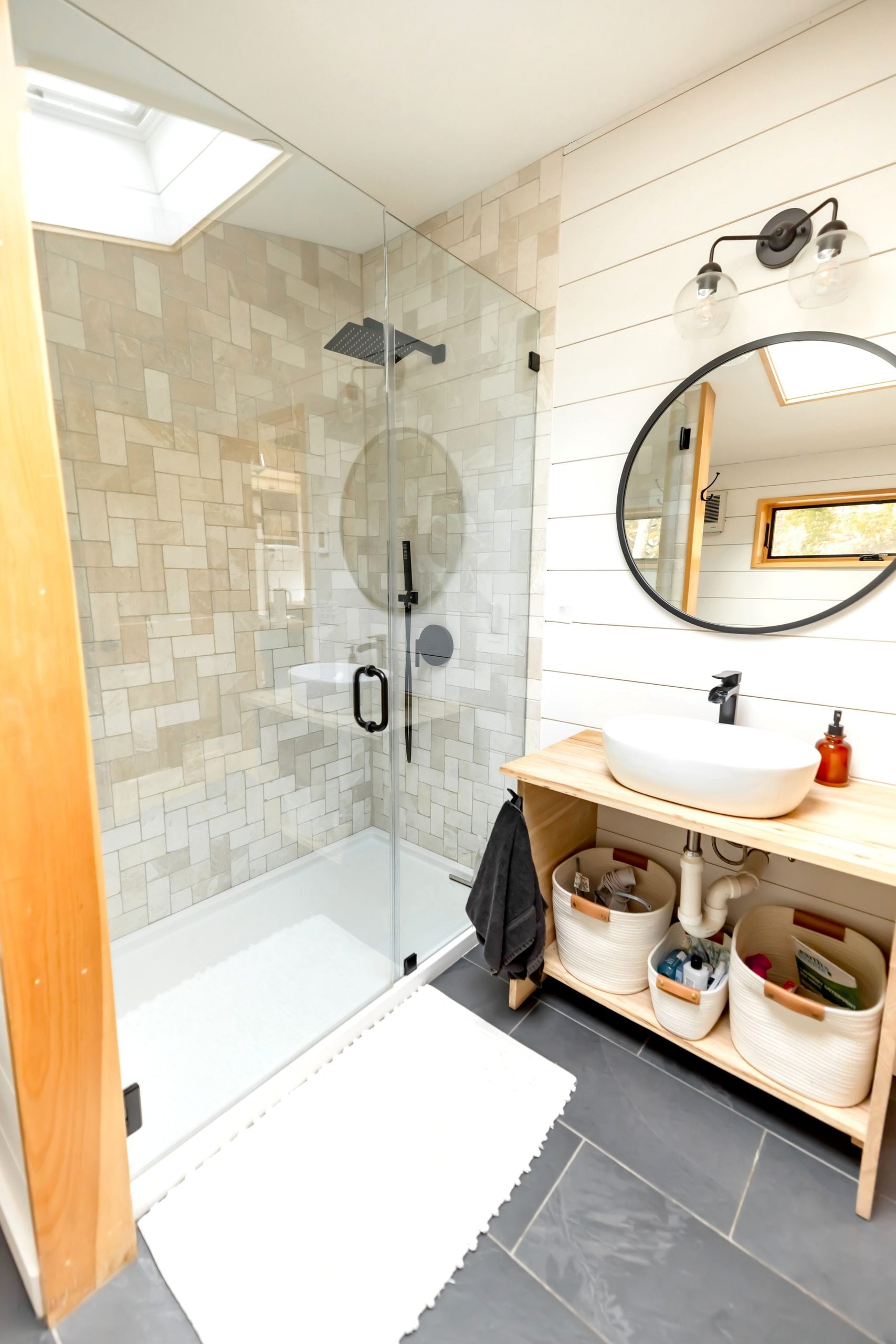
When I updated my own bathroom, I realized how much of a difference smaller changes could make. Replacing the mirrors, updating the lighting and hardware, painting the existing cabinets, and installing new flooring gave the room a completely different feel without requiring a full renovation.
It also reminded me that not every bathroom improvement needs to involve replacing everything.
Sometimes, working with what you already have and focusing on the details can make a space feel much more functional and refreshed.
Whether you’re planning a complete renovation or a smaller shower remodel, start by considering what isn’t working in the current space.
Difficult shower access, limited storage, slippery flooring, and poor ventilation are all worth addressing before choosing decorative finishes.
A little planning can make the bathroom more comfortable for everyone who uses it.
Assess Your Current Bathroom
Before choosing materials or fixtures, take a closer look at the existing space. Consider whether there’s enough room to move comfortably, whether frequently used items are easy to reach, and if the lighting is adequate.
Pay attention to potential maintenance issues, too. Cracked grout, peeling paint, soft flooring, persistent condensation, and musty odors may indicate problems that need attention before cosmetic updates begin.
Measure the doorway, shower, vanity, and available floor space. Making note of these dimensions and identifying the biggest inconveniences will help establish priorities for the project.
Consider Your Shower Layout
The right shower design depends on household needs, available space, and personal preferences.
A traditional tub-shower combination remains useful for families with young children or anyone who wants to keep a bathtub in the home. However, stepping over a tub wall can become difficult for people with limited mobility.
Low-entry showers reduce the height of that step, while curbless designs create a more continuous transition between the bathroom floor and shower.
Both require careful attention to drainage, floor slope, waterproofing, and water containment.
Other practical features include handheld showerheads, conveniently positioned controls, recessed storage niches, and built-in seating where appropriate.
If you’re considering removing a bathtub, think about how often it’s used and whether another bathtub is available elsewhere in the home.
Choose Materials That Are Easy to Maintain
Bathroom surfaces need to withstand regular water exposure, cleaning, and everyday wear. The easiest materials to maintain aren’t necessarily the most expensive, so consider their care requirements before making a decision.
Traditional tile offers plenty of design options, but grout lines require regular cleaning.
Larger-format tiles can reduce the amount of grout between surfaces, while some wall panel systems offer fewer joints to maintain.
Natural stone has its own care requirements and may need periodic sealing. Porcelain and acrylic surfaces can offer simpler maintenance, depending on the product.
Flooring deserves particular attention. Look for products with suitable slip-resistance information for wet areas rather than choosing a finish based on appearance alone.
Before purchasing materials, check cleaning instructions, sealing requirements, warranty coverage, and replacement-part availability.
Improve Lighting and Storage
A single overhead light may not provide enough visibility throughout the bathroom. Combining general lighting with vanity lighting can make everyday tasks like shaving, applying makeup, and getting ready more comfortable.
Consider glare and shadows when positioning fixtures, and think about adding a separate low-level light for nighttime use.
Storage should also reflect everyday routines. Drawers, recessed shelving, wall-mounted organizers, and conveniently placed towel hooks can help keep frequently used items accessible without overcrowding countertops.
Keeping the floor and walking areas clear makes the bathroom easier to clean and more comfortable to navigate.
Address Ventilation and Moisture
Bathrooms produce considerable moisture, particularly during showers and baths. Without adequate ventilation, humidity can contribute to condensation, peeling paint, and mold growth.
The U.S. Environmental Protection Agency recommends checking that bathroom exhaust fans work properly and direct air outdoors rather than into an attic or another enclosed area.
Its bathroom remodeling and indoor air quality guidance explains why proper ventilation is important for controlling moisture.
Running the exhaust fan during and after bathing, allowing damp surfaces to dry, and repairing leaks promptly can also help prevent moisture-related problems.
If there are existing signs of water damage, identify the source before installing new flooring, tile, or fixtures. New finishes won’t correct an underlying leak or waterproofing issue.
Include Accessibility in the Design
Accessibility features can blend naturally into a bathroom without compromising its overall appearance. Lever-style handles, handheld showerheads, low-entry showers, and reachable storage can make everyday tasks easier.
If walls are being opened during renovation, consider adding reinforcement for future grab bar installation. This can be useful even if support bars aren’t currently needed.
Grab bars should be securely anchored to appropriate structural support. Towel bars are not designed to hold someone’s weight and should never be used as substitutes.
The CDC also recommends installing grab bars near tubs, showers, and toilets, improving household lighting, and removing tripping hazards as part of its fall prevention recommendations.
Establish a Realistic Remodeling Budget
Before work begins, separate essential repairs from cosmetic improvements. Plumbing, electrical work, waterproofing, ventilation, and demolition can all affect the overall budget.
Request written estimates that clearly outline labour, materials, permits, disposal, and cleanup.
It’s also important to understand how unexpected repairs will be handled if water damage or other issues are discovered during demolition.
Comparing the full scope of each estimate is more useful than choosing a contractor based solely on the lowest starting price. Setting aside additional funds for unexpected expenses can also help keep the project manageable.
Prepare for Installation
Once the design and budget are finalized, confirm the expected schedule and how long the bathroom may be unavailable.
If it’s the only full bathroom in the home, arrange alternative bathing facilities before work begins.
Clarify who is responsible for permits, inspections, debris removal, and final cleanup. Keep product specifications, receipts, warranties, and installation information together for future reference.
Before considering the project complete, check that fixtures operate properly, surfaces are finished correctly, ventilation works, and any required inspections have been completed.
A well-planned bathroom doesn’t need expensive finishes or an elaborate layout.
By prioritizing practical improvements, choosing materials that suit everyday use, and addressing underlying maintenance concerns, homeowners can create a space that remains comfortable, functional, and easier to care for over time.
Are you planning a bathroom that works for everyday life?
Drop a comment, below!
—Matt
PIN FOR LATER:
I am a contractor and just a DIY guy in my spare time. I love building things and sharing my knowledge with other DIY’ers. You can do anything you set your mind to! When I am not building or fixing something, I am all about baseball. Go Tigers, go!