How to Choose the Perfect Marble Benchtop for Your Kitchen
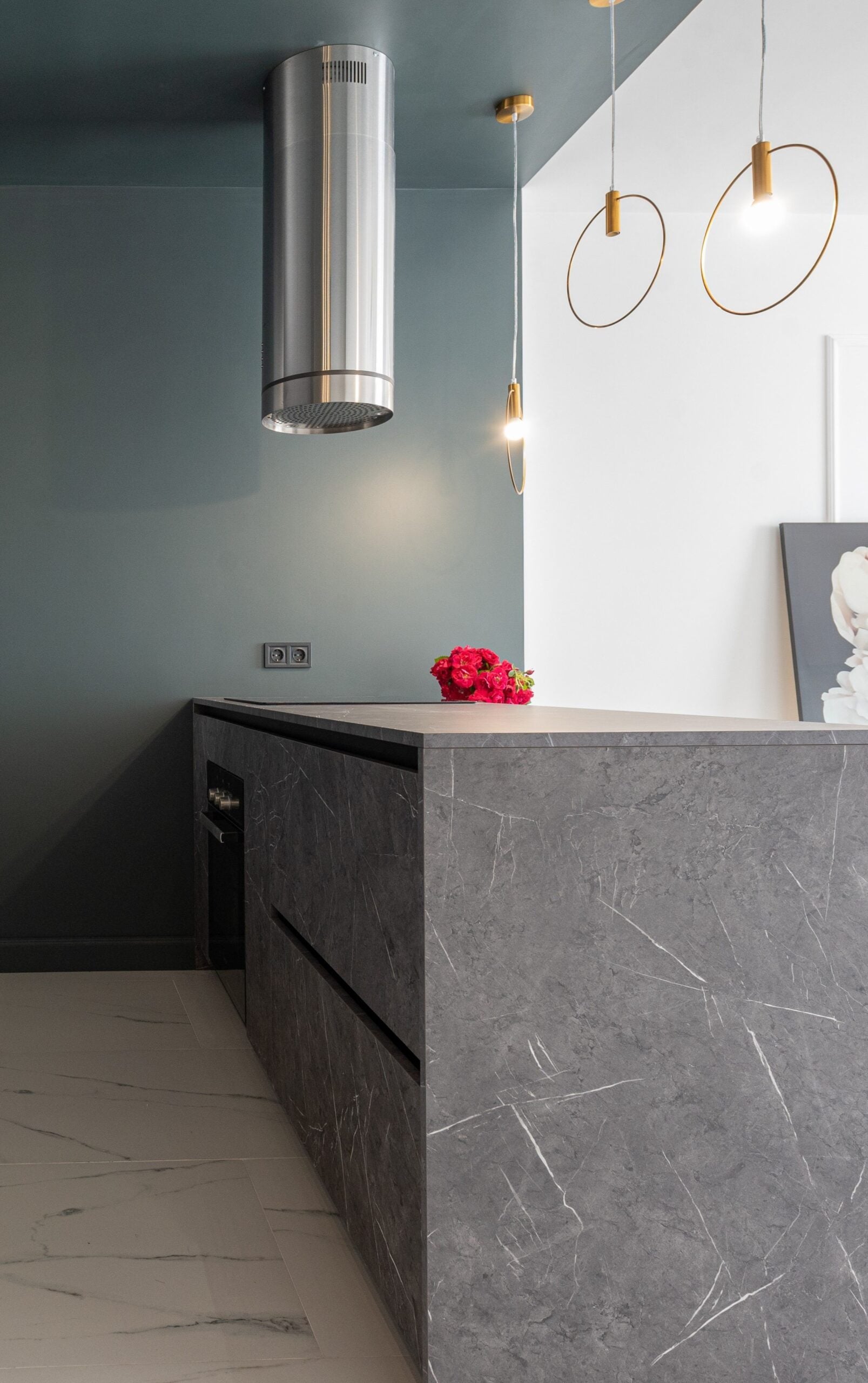
Why Marble Still Works in a Modern Kitchen
Marble remains a sought-after kitchen surface because no two slabs are exactly alike. Its soft color shifts, natural depth, and distinctive veining can suit coastal apartments, heritage terraces, classic family homes, and crisp contemporary renovations.
Speaking with a marble benchtop manufacturer sydney can also help homeowners see how a full slab will look in natural light, rather than relying on a small sample.
Its appeal is not perfect uniformity. Marble brings movement and individuality to an island or worktop, and it can develop a lived-in character over time.
It is also naturally cool to the touch, which many keen bakers appreciate when preparing pastry.
Match the Stone to the Way the Kitchen Is Used
Before falling in love with a particular slab, consider how the kitchen works every day. A quiet, entertaining kitchen may suit a delicate white marble beautifully, while a busy household with children, pets, frequent cooking, citrus, red wine, and hurried clean-ups needs a realistic care plan.
Marble can work in either setting, but expectations should be clear from the start.
Questions to Ask First
- Is the kitchen used for heavy meal preparation every day?
- Will the island double as a dining table, homework station, or entertaining area?
- Would small marks feel frustrating, or would they add character?
- Is prompt spill clean-up and periodic sealing practical for the household?
Compare Marble Colors and Veining
Color and movement should be considered alongside cabinetry, flooring, splashbacks, and wall paint. Pale marble can lift a darker kitchen, while bold grey, gold, or green veining can make an island the room’s centerpiece.
Always compare the actual slab with your selected finishes, as undertones can look very different under showroom lights and at home.
- Background tone: Consider warm white, cool white, cream, grey, green, or deeper shades.
- Vein direction: Look for fine, cloudy, linear, sweeping, or highly dramatic movement.
- Visual scale: Choose quieter movement for compact kitchens or stronger patterning for a large island.
- Slab consistency: Check how multiple slabs will relate across a larger layout.
Material decisions also need to reflect changing market standards.
A comprehensive benchtop guide outlines the importance of comparing performance, installation timing, and current material requirements before finalizing a renovation.
Choose Between Honed and Polished Finishes
A honed finish has a soft, low-sheen appearance that feels relaxed and understated. It may make minor etching less obvious, although darker spills and oils can still show.
A polished finish is brighter and more reflective, highlighting the stone’s color and depth, but it can make water marks and surface changes more noticeable.
Neither is automatically better. The right finish depends on the room’s lighting, the chosen slab, and how comfortable you are with natural variation.
Plan Thickness, Edges, and Slab Layout
Small fabrication details have a large influence on the finished look. A slim, eased edge can feel modern, while a built-up profile creates a more substantial statement.
Bullnose edges suit softer or more traditional interiors, and waterfall ends can extend the marble’s movement down the side of an island.
Confirm the finished thickness, corner radius, join locations, vein direction, sink and cooktop cut-outs, and whether matching splashbacks or island panels are included before fabrication begins.
Know the Cleaning and Sealing Needs
Marble is a porous natural stone and can react to acidic substances such as lemon, vinegar, and wine. Sealing helps slow absorption, but it does not make the surface stain-proof or immune to etching.
Promptly wipe spills, use a soft cloth with a pH-neutral stone cleaner, and avoid abrasive or harsh household products. Chopping boards and trivets are simple safeguards that protect both the stone and its finish.
Simple Daily Care Steps
- Wipe spills as soon as possible.
- Use stone-safe cleaning products rather than strong chemicals.
- Keep acidic foods and cleaners from sitting on the surface.
- Use chopping boards and trivets for hot cookware.
- Ask when the surface should be inspected or resealed.
Read a Marble Benchtop Quote Carefully
Compare quotes by their inclusions, not just the headline figure. A clear quote should identify the slab supply, quantity, site measure or digital template.
As well as the sink and tap cut-outs, cooktop cut-outs, edge shaping, joins, transport, lifting, installation, sealing, and any removal of an existing benchtop.
Ask whether difficult access, extra slab handling, vein matching, or changes after templating could create additional costs.
Check Fabrication and Installation Details
Accurate measurements and skilled workmanship are essential because stone cannot be casually altered once cut.
The usual sequence is cabinetry completion, templating, fabrication, delivery, installation, and final inspection.
Older homes, urban terraces, and apartments can introduce specific delivery challenges.
For example, a home with a narrow side path or internal stairs may require advance planning for slab size, lifting equipment, joins, and safe access, rather than leaving those decisions until installation day.
Compare Marble With Other Stone Options
Marble is one option among several, and the best choice depends on your priorities. Granite often suits households wanting a hard-wearing natural stone.
Quartzite can offer dramatic movement with different performance characteristics, but slabs should be correctly identified.
Porcelain can suit low-absorption, modern kitchens, although it requires a fabricator experienced with the material.
Consider heat exposure, stain concerns, maintenance preferences, visual style, budget, and installation requirements together.
Design Inspiration From Real Renovations
Marble can work especially well with shaker cabinetry, warm timber, deep painted finishes, brushed metals, and soft neutral palettes.
Detailed renovation case studies show how natural stone can sit comfortably within classic cabinetry and a more contemporary kitchen layout.
The strongest results come from balancing the slab’s movement with quieter surrounding finishes.
Use a Simple Buying Checklist
- Bring cabinet, flooring, splashback, and paint samples to slab viewings.
- View the actual full slab whenever possible.
- Ask how the slab will be positioned, joined, and vein matched.
- Confirm the finish, thickness, edge profile, and cut-out locations.
- Ask about sealing, cleaning, and ongoing care.
- Request an itemized written quote.
- Confirm the timing for fabrication, delivery, access, and installation.
- Check that the chosen material and work method meet current local safety and trade requirements.
Is a Marble Benchtop Right for You?
A successful marble benchtop choice balances appearance, lifestyle, care, budget, and installation planning.
Take time to compare several slabs, inspect them in person, and ask direct questions about fabrication and aftercare.
The right marble is the one that complements the kitchen while fitting comfortably into the household’s everyday life.
Have you been eye a marble benchtop for your home?
Drop a comment, below!
—Matt
PIN FOR LATER:

I am a contractor and just a DIY guy in my spare time. I love building things and sharing my knowledge with other DIY’ers. You can do anything you set your mind to! When I am not building or fixing something, I am all about baseball. Go Tigers, go!