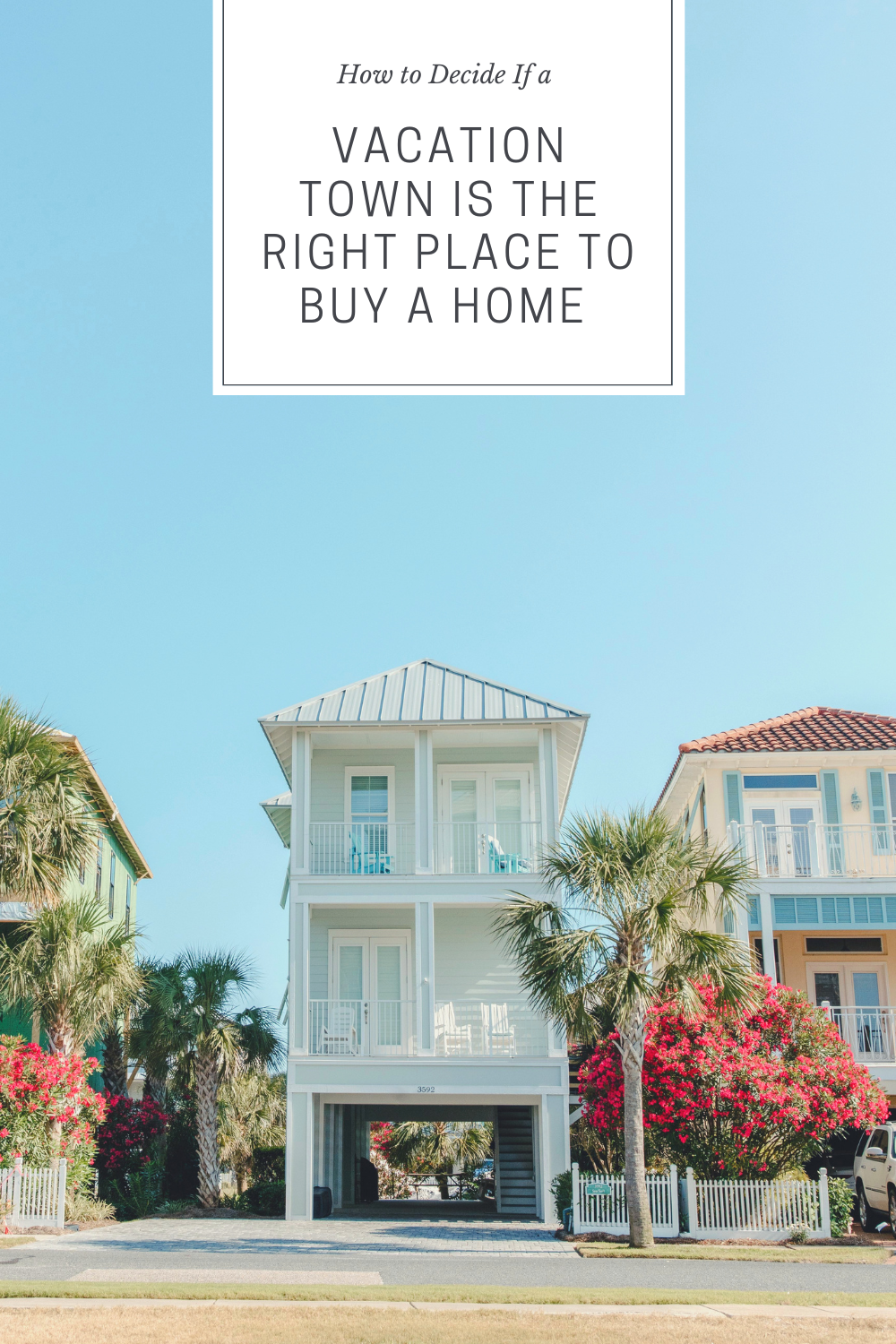
How to Decide If a Vacation Town Is the Right Place to Buy a Home

Is a Vacation Town the Right Place to Buy a Home?
Sea Isle City has a way of getting under your skin. Maybe it was a week-long summer rental, or a weekend trip that turned into an annual tradition.
At some point, the thought crosses your mind: What if this wasn’t just a vacation spot, but somewhere you actually owned property?
That thought is exciting, but it’s also worth slowing down on before you start seriously browsing listings.
It’s easy to confuse the emotional high of a great vacation with genuine long-term fit.
A few honest checks early on can save you from an expensive case of buyer’s remorse a year or two down the road.
Not every town you love visiting is a town you’ll love owning property in. Here’s how to tell the difference before you get too attached to a listing.
1. Notice How the Town Feels Outside Peak Season
Vacation towns can feel like a completely different place once summer crowds thin out. A boardwalk packed with families in July might feel empty and quiet by October.
Before browsing houses seriously, try to visit during the off-season at least once.
If you still enjoy the town when it’s not buzzing with tourists, that’s a strong sign it could work as more than just a summer escape.
This step trips up a lot of first-time vacation-home buyers. The version of a town you fall for in July isn’t necessarily the version you’ll be living with the rest of the year, especially if you plan to spend real time there outside summer.
2. Check How Often You’d Realistically Visit
Owning property in a vacation town only makes sense if you’ll actually use it regularly, or if you’re comfortable renting it out when you’re not there.
Be honest about your travel habits.
If your visits have historically been sporadic, a purchase might sit empty more than you’d like, turning what should feel like a retreat into a financial obligation you rarely enjoy.
According to the National Association of Realtors, buyers today increasingly prioritize neighborhood quality and proximity to family over job convenience.
As well as when choosing where to buy, a shift that’s especially relevant for vacation-town purchases, where lifestyle fit often outweighs practical commuting concerns.
3. Research Rental Demand and Restrictions
If part of your plan involves renting the property out during weeks you’re not using it, look into local short-term rental rules before falling in love with a specific home.
Some towns have strict caps or seasonal restrictions that could affect your income potential.
Browsing houses for sale in Sea Isle City, NJ with a local agent who understands these rules can save you from an unpleasant surprise after closing.
Berger Realty works with buyers across the Jersey Shore regularly, and their agents tend to flag rental restrictions early in the process rather than letting buyers discover them after signing a contract.
4. Look Beyond the Beach Itself
It’s easy to get swept up in ocean views and forget to evaluate the practical side of a town. Are there grocery stores open year-round?
Is there a hardware store nearby for repairs? What does the drive look like during a summer weekend versus a quiet Tuesday in March?
These details matter more once you’re a homeowner rather than a weekly renter, since you’ll be dealing with the town’s actual infrastructure, not just its vacation-facing amenities.
It’s a good idea to run these same errands you’d normally do at home while you’re visiting, just to get a real feel for how convenient, or inconvenient, daily life would actually be.
5. Talk to People Who Actually Live There Year-Round
Vacationers and full-time residents often have very different opinions about the same town. Seasonal visitors focus on restaurants and beach access.
While year-round residents notice things like flood risk, road maintenance, and how quiet the town gets in January.
Striking up a few honest conversations with locals, not just other vacationers, can reveal things a real estate listing never will.
These conversations are often more valuable than anything you’ll find online, since long-term residents tend to be candid about both the charm and the practical downsides of living there full-time or part-time.
Signs a Vacation Town Might Be Right for You
- You still enjoy visiting during the off-season, not just peak summer
- Your travel schedule realistically supports regular visits
- Local rental rules align with your income expectations, if renting is part of the plan
- Year-round infrastructure meets your practical needs, not just vacation amenities
Final Thoughts
Falling in love with a vacation town during a great week away is easy. Deciding whether that same town makes sense as a place to actually own property takes a bit more homework.
Spend time there in different seasons, talk to people who live there full-time, and get a clear picture of local rental rules before browsing listings too seriously.
If the town still feels right after all that, you’re in a much stronger position to start seriously looking at homes.
Rather than chasing a feeling that might not hold up once the vacation ends.
Do you think a vacation town is right for you?
Drop a comment, below!
—Jeanine
PIN FOR LATER: