5 Signs It’s Time to Replace Your Old Windows
Key Takeaways
- Windows play a vital role in energy efficiency, comfort, safety, and curb appeal.
- Drafts, rising energy bills, and uneven indoor temperatures often signal failing insulation.
- Difficulty opening or closing windows can indicate structural or hardware issues that affect safety.
- Condensation between panes is a clear sign of seal failure and reduced performance.
- Replacing outdated windows improves home value, lowers maintenance needs, and enhances overall efficiency.
Windows are much more than just structural components in your home. Beyond letting in natural light and offering views of the outdoors, they significantly influence your comfort level.
They affect interior temperature, energy efficiency, and your home’s overall curb appeal.
As the years pass, windows can become a weak link in your home’s envelope. Often, they deteriorate due to prolonged exposure to sun, wind, rain, and fluctuating temperatures.
These changes may be subtle at first. However, over time, old or damaged windows can negatively impact your home’s insulation and safety.
Being proactive about window replacement helps protect your investment and allows you to enjoy a quieter, cozier indoor environment.
If you’ve started to notice problems, whether drafts, foggy glass, or hard-to-operate sashes, it may be wise to begin searching for reliable window installation Centennial.
Upgrading your windows can restore both the beauty and the performance of your living space. Often, this change yields long-term cost savings.
For many homeowners, windows become an afterthought as long as they don’t appear broken or obviously damaged.
However, like any feature that endures daily use and changing weather, the usefulness and aesthetics of your windows eventually reach a tipping point.
Regular cleaning and maintenance are helpful. Eventually, wear and tear, along with advances in window technology, make replacement the smartest route to continued comfort, safety, and efficiency.
By staying aware of the early warning signs, you can make informed decisions. In this way, you can possibly avoid the headaches and higher costs that come with unchecked damage.
Drafts and Air Leaks
One of the most noticeable and bothersome signs that it’s time for replacement is feeling drafts or cold air leaking from around your windows, even when they’re closed.
Failed seals or gaps in the frame break the thermal barrier that’s supposed to keep indoor air in and outdoor temperatures out.
As a result, your HVAC system is forced to work harder to maintain a comfortable temperature, which can lead to significant increases in your monthly energy bills.
The U.S. Department of Energy notes that heat transfer through windows accounts for 25% to 30% of a home’s heating and cooling energy use.
Poorly insulated or drafty windows can create uncomfortable hot or cold spots within rooms. This situation makes it harder to relax or concentrate.
If you routinely find yourself reaching for extra blankets in winter or struggling with high cooling costs in summer, it’s a clear sign to inspect your windows and consider their condition.
Addressing these issues with modern, energy-efficient replacements can quickly increase your comfort while reducing everyday costs.
Rising Energy Bills
Have your utility statements been creeping up with no obvious reason? Older windows are often a silent culprit.
As frames age and glazing breaks down, they lose their ability to contain warmth in winter and block heat out in summer.
The result: your home’s heating and cooling units have to run longer and more frequently to compensate for the temperature exchange, and you end up paying more.
Swapping out old windows for new double- or triple-paned models with insulated frames can be a game-changer for your household’s energy use.
According to the U.S. Environmental Protection Agency, homes with ENERGY STAR-certified windows can save up to 12 percent annually on average.
Over the years, those savings can add up, helping the windows pay for themselves.
It’s not just about utility bills, either: inefficient windows add to your carbon footprint. In a world where sustainability matters more than ever, making eco-friendly home improvements is a responsible choice.
Modern energy-efficient models use low-E coatings, improved framing materials, and superior sealants to boost both comfort and performance.
By minimizing heat transfer and reducing unnecessary strain on your HVAC system, these windows help you achieve a more sustainable home and a more manageable monthly budget.
Difficulty Opening and Closing
Windows that stick, won’t stay open, or require excessive force to move aren’t just annoying, they’re also a sign that your frames may be warped, your tracks clogged or damaged, or that internal hardware is failing.
These operational problems can be caused by long-term exposure to moisture, changes in temperature causing wood to swell or contract, or corrosion in metal components.
Over time, functionality issues can compromise your daily convenience by making it hard to let in fresh air or adjust ventilation.
More importantly, jammed or unsteady sashes can pose a safety hazard. In an emergency, such as a fire, quickly escaping through a stuck window becomes much more difficult.
Ensuring that your windows open and close smoothly is essential for the safety of your home’s occupants. In addition, it can help protect you from significant risks in the event of a crisis.
Condensation Between Panes
If you spot persistent fog, water droplets, or cloudiness between panes of glass in multi-glazed windows, your window seals have most likely deteriorated.
This is sometimes called “seal failure.” The insulating space between double or triple panes is designed to prevent heat transfer and improve energy efficiency.
When the seal breaks, outside air and moisture infiltrate the space between the panes, causing the interior surfaces to fog up.
Not only does this make your windows appear cloudy and uncared for, but it also significantly reduces their insulating value.
This change makes your home less comfortable and more costly to heat or cool.
Unfortunately, once seal failure occurs, there’s no practical way to repair the issue; the only solution is to replace the window.
Spotting condensation between glass panes is one of the clearest indications that your window’s structural and insulating abilities are compromised.
A prompt replacement will restore both your home’s efficiency and appearance.
Outdated Appearance
The style and condition of your windows play a significant role in the first impression your home makes.
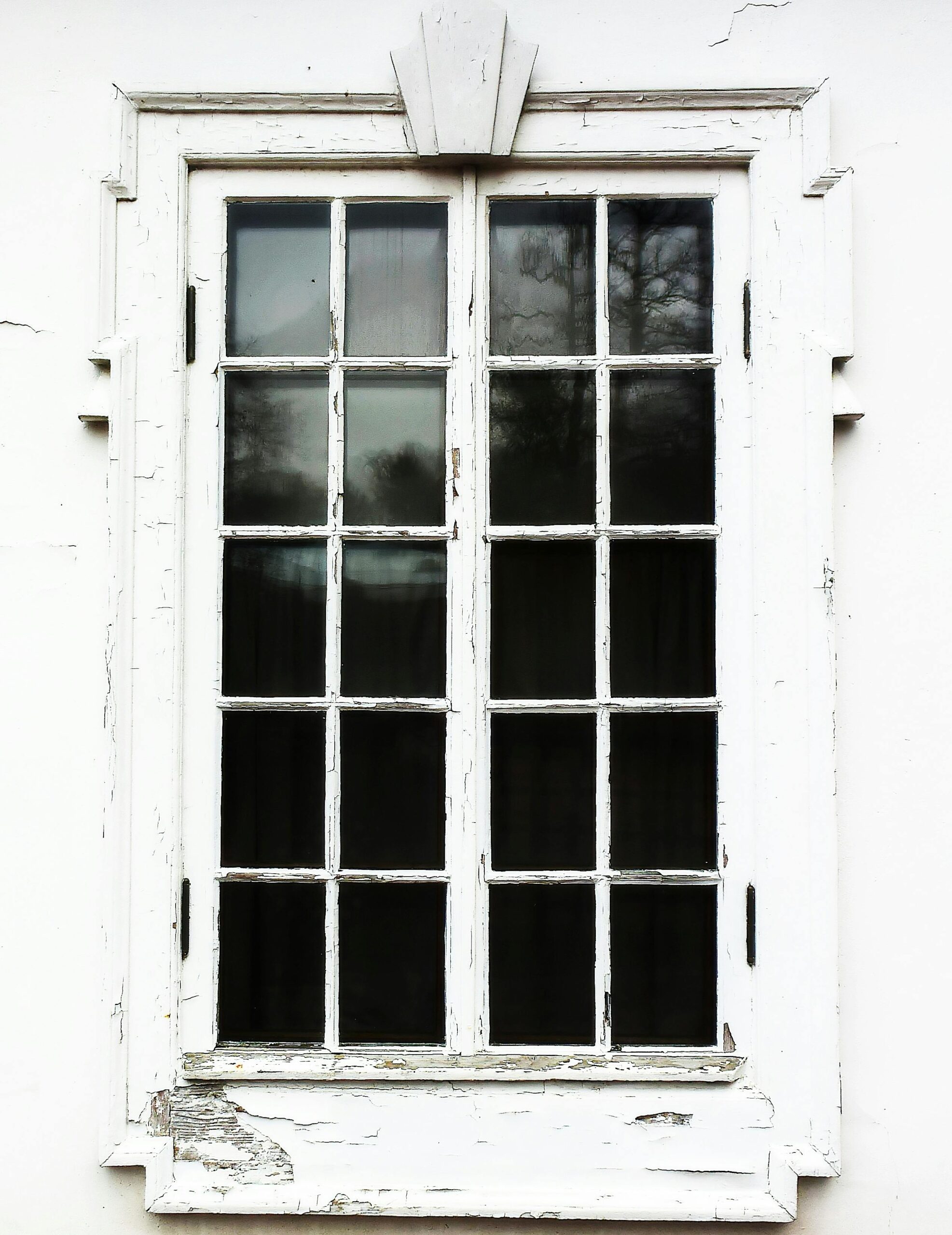
Peeling paint, faded finishes, rotting wood, or colors that clash with your exterior updates can make even a well-maintained house look dated.
Curb appeal doesn’t just matter for your sense of pride; it also affects the long-term value of your property.
Modern window replacements offer the benefit of fresh looks and increased performance. Today’s styles feature sleek designs, a range of frame materials and colors, and innovative glass options for added privacy and energy efficiency.
Upgrades can also enhance security and reduce outdoor noise.
If you’re getting ready to sell your home, or simply want to enjoy living in a house that feels up-to-date and inviting, replacing your windows is a strategic investment in both form and function.
Even if curb appeal isn’t top of mind, newer models demand far less maintenance, helping you save time and effort over the years.
Final Thoughts
Recognizing the signs that your windows are failing, from chilly drafts and rising utility bills to operational headaches like stuck sashes and persistent condensation, allows you to act before small annoyances turn into big expenses.
Outdated or unattractive windows can also drag down your home’s value and your overall enjoyment of where you live.
By investing in high-quality, energy-efficient replacements, you not only save money and reduce maintenance but also ensure your living space is comfortable, safe, and visually appealing year-round.
Replacement pays dividends in monthly savings, improved aesthetics, and peace of mind.
Is it time to replace your old windows?
Sound off, below!
— Matt
PIN FOR LATER:
I am a contractor and just a DIY guy in my spare time. I love building things and sharing my knowledge with other DIY’ers. You can do anything you set your mind to! When I am not building or fixing something, I am all about baseball. Go Tigers, go!