What to Expect When Building a Custom Pool in Your Backyard
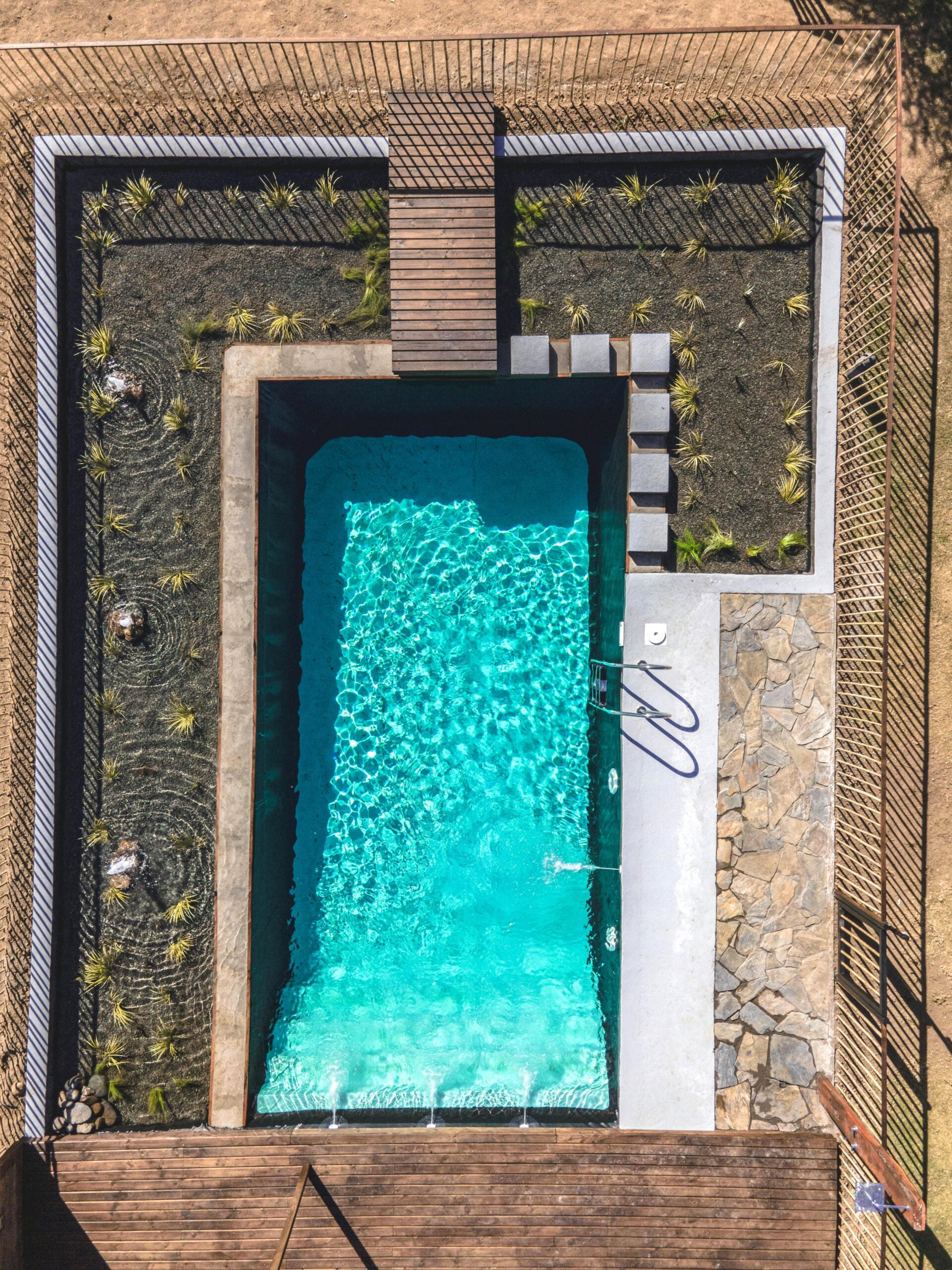
What to Expect When Building a Custom Pool in Your Backyard
So you’ve finally decided that you’re building a pool. Maybe you’ve been dreaming about it for years, or maybe last summer’s heat wave was the final push you needed.
Either way, you’re in for something really exciting.
But if you’ve never gone through the process before, it can also feel a little overwhelming.
The good news?
When you know what to expect at each stage, the whole journey feels a lot more manageable and a lot more fun.
Here’s a straight-talking walkthrough of everything that happens from your first conversation, designing your custom pool to the first swim.
Step 1: The Initial Consultation
Every custom pool starts with a conversation. Before any design work begins, your contractor will want to understand how you live, how you plan to use the pool, who’ll be using it, and what your backyard looks like to work with.
This is your chance to bring inspiration photos, talk through your wishlist. Waterfall? Attached spa? Fire features?
You can also get honest feedback on what works for your space and budget. Don’t hold back the more your contractor knows upfront, the better the result.
Experienced pool builders will guide this initial meeting with structured questions so nothing important gets missed.
From HOA restrictions to utility line locations that could affect where the pool sits on your lot.
Step 2: Custom Design and Virtual Preview
Here’s where it gets really exciting. Using your input from the consultation, your design team will create a custom layout the shape, size, placement, features, finishes, and surrounding deck or outdoor living elements.
Many top-tier contractors today offer a virtual backyard preview, which means you can actually see what your finished pool will look like before a single shovel touches the ground.
You can adjust the shape, swap tile colors, add a sheer descent waterfall, or shift the position.
All on screen, in real time.
This step is worth spending time on. Once you’re happy with the design and sign off, your major decisions are done.
Everything after this is execution.
Step 3: Engineering, Permits, and Pre-Site Checks
This is the stage that surprises most first-time pool owners. Not because it’s difficult, but because there’s more to it than they expected.
Before construction can start, your project goes through engineering review, permit applications, and pre-site inspections including utility locates.
If you’re in a neighborhood with a homeowners association, you’ll also need to get written approval before breaking ground.
That’s your responsibility as the homeowner, so get started on it early.
The good news is that established contractors handle the engineering and permitting process in-house, which keeps things moving faster than if you were juggling multiple vendors.
This phase typically takes a few weeks depending on your municipality’s workload.
Step 4: Construction Begins
Once permits are approved, the fun (and noise) begins. A typical inground pool construction follows a clear sequence:
• Excavation: The hole is dug to the exact dimensions of your design.
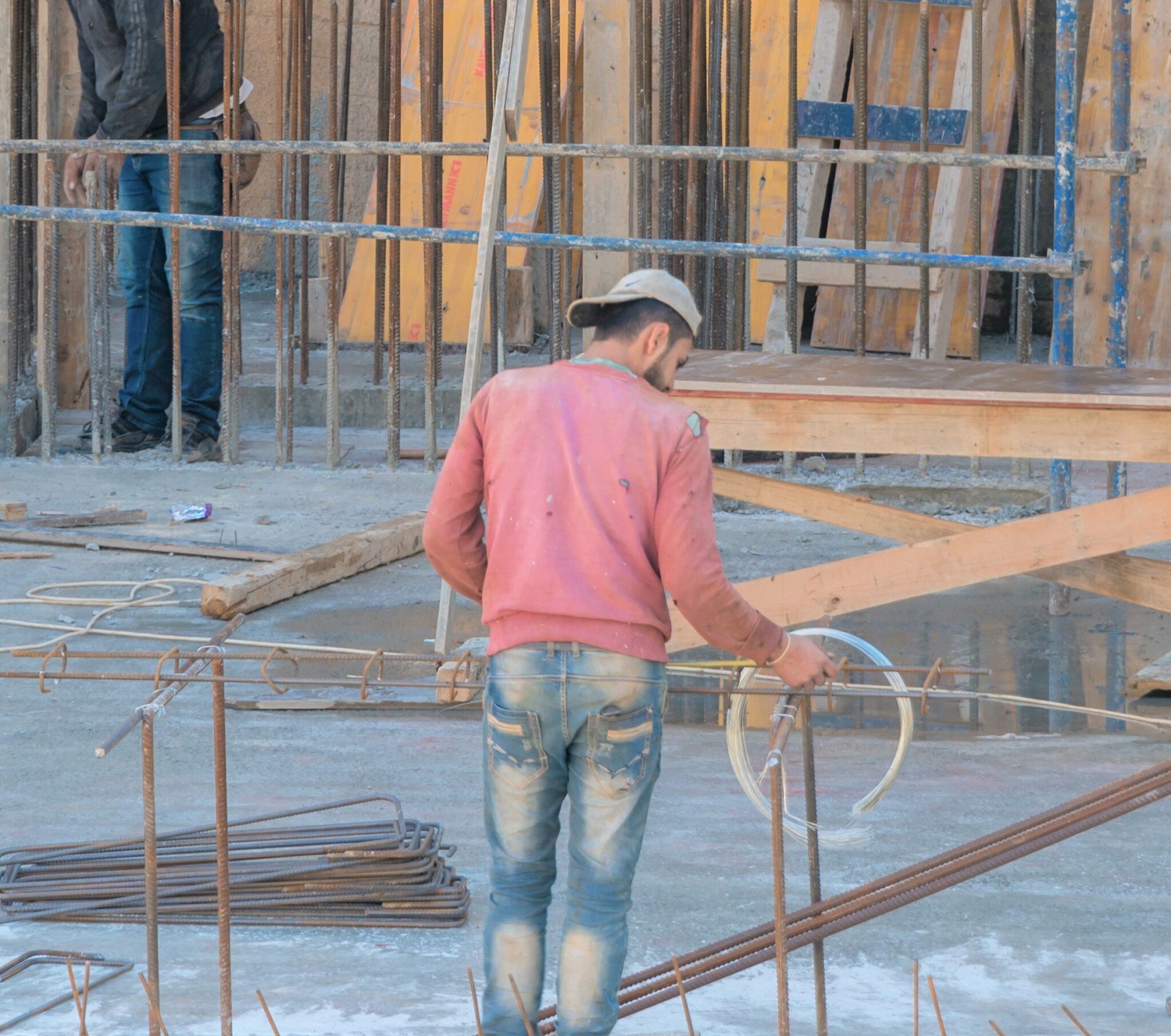
• Steel installation: A rebar skeleton gives the shell its structural strength.
• Plumbing: All pipes and fittings are installed before the shell is formed.
• Gunite (shotcrete): A mixture of concrete is pneumatically sprayed to form the pool shell.
• Tile, coping, and decking: The edges, surrounds, and deck surface are installed.
• Equipment installation: Pumps, filters, heaters, automation systems, and lights go in.
Worth knowing before you break ground: according to the National Association of REALTORS® 2023 Remodeling Impact Report: Outdoor Features, an inground pool addition earns a perfect Joy Score of 10 out of 10 from homeowners.
The highest rating of all 11 outdoor projects studied.
That’s not just a financial calculation; it’s a quality-of-life upgrade that pays off in enjoyment every single day you’re home.
Step 5: Interior Finish, Final Inspections, and Pool School
You’re almost there. The last phase covers the interior finish, the plaster or pebble surface that gives your pool its color and texture, followed by filling with water.
After that, the contractor runs through final in-house and municipal inspections to make sure everything is up to code.
Then comes Pool School.
This is a walkthrough your contractor provides to show you how to operate your pool’s equipment, maintain water chemistry, and keep everything running smoothly.
It sounds simple but it’s genuinely valuable.
Especially for first-time pool owners who’ve never managed a filtration system or salt chlorinator before.
The team at Champion Pools & Spas, for example, makes Pool School a standard part of every project close-out.
Simply because handing over a pool you don’t know how to run defeats the whole purpose.
A Few Tips to Make the Process Smoother
• Start your HOA approval process the moment you sign your contract — don’t wait for permits.
• Lock in your finish and tile selections early so there are no delays mid-build.
• Think about outdoor living now, not later. Adding a summer kitchen or screen enclosure at build time is far cheaper than retrofitting.
• Ask your contractor which features need to be included during construction versus which can be added later.
Final Thoughts
Building a custom pool is one of the most rewarding home improvement investments you can make. Especially in a warm-weather state where you’ll actually use it year-round.
The process takes anywhere from a few months to longer depending on permit timelines and project complexity.
Though, when you work with people who know what they’re doing, it runs far more smoothly than most homeowners expect.
The key is choosing the right team from day one.
Champion Pools & Spas has been doing this in South Florida since 1993, which means they’ve seen every yard, every challenge, and every design idea you could throw at them.
When your contractor has that kind of experience behind them, the whole journey from the first conversation to the first cannonball is a whole lot smoother.
Do you have any tips on building a custom pool?
Sound off, below!
—Matt
PIN FOR LATER:
I am a contractor and just a DIY guy in my spare time. I love building things and sharing my knowledge with other DIY’ers. You can do anything you set your mind to! When I am not building or fixing something, I am all about baseball. Go Tigers, go!