Choosing the Best Siding for Hot, Humid Climates
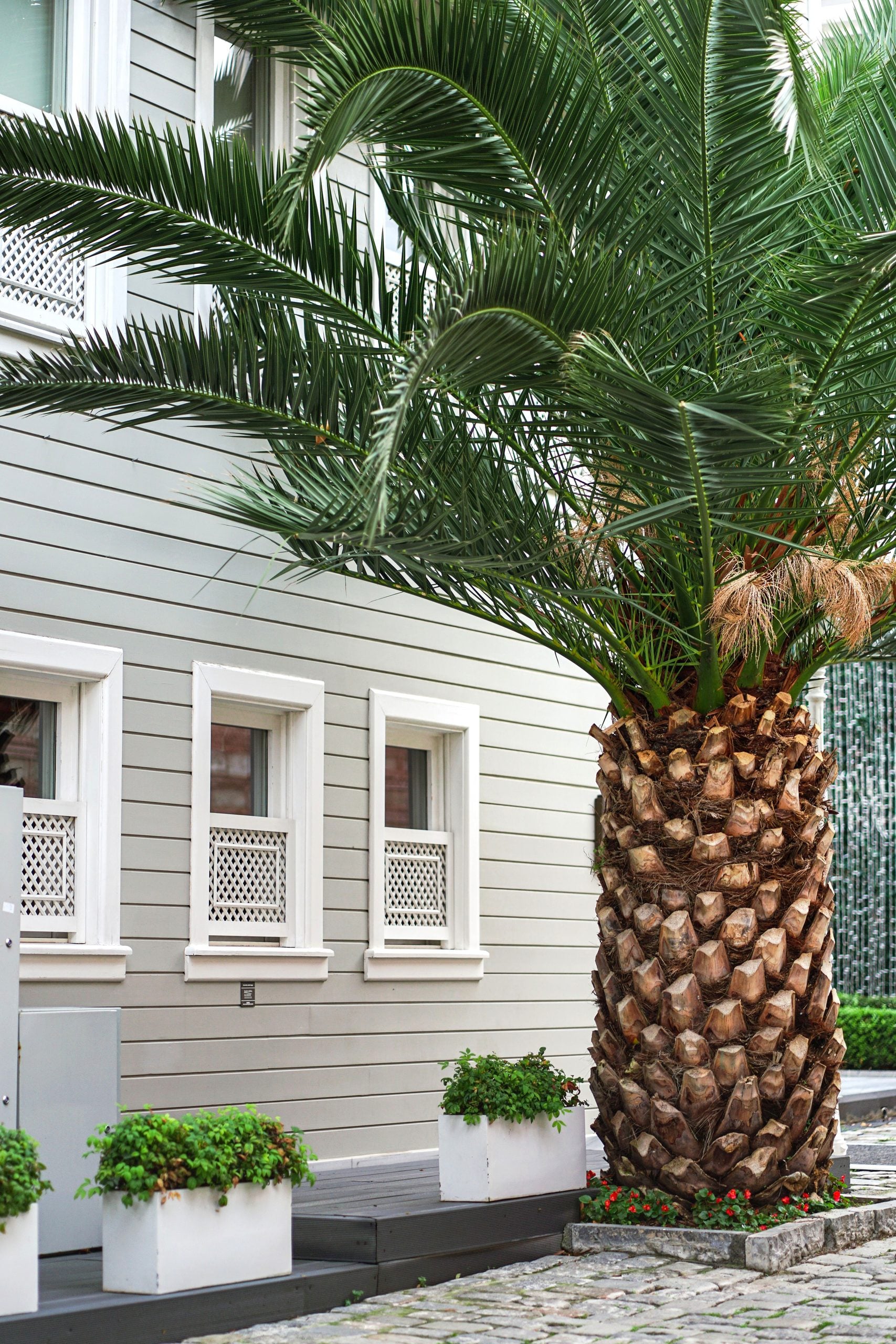
Choosing the Best Siding for Hot Climates
Replacing your siding is one of the most practical ways to boost your home’s curb appeal while tackling worn trim, hidden moisture issues, and outdated exterior finishes.
For homeowners looking into vinyl siding installation, Jack’s Siding & Windows offers siding replacement and installation guidance for Fayette and Coweta Counties, including lap, shingle, and vertical siding alongside trim and fascia work.
Their focus on James Hardie siding products and exterior remodeling options makes them a helpful reference when evaluating materials built for southern homes.
A great siding decision starts with the entire wall assembly, not just the color or style you see from the driveway.
Siding has to work hand-in-hand with your house wrap, trim, roof edges, windows, doors, and drainage points to direct water away from vulnerable interior framing.
Why Warm, Humid Climates Demand Better Siding
Exteriors in hot, humid regions take a beating from intense summer heat, moisture, wind-driven rain, heavy pollen, and falling tree debris.
Sunny walls bake under constant UV exposure, while shaded walls stay damp long after the rain stops, making them prone to mildew.
If water finds a path behind your siding, it can quietly rot the sheathing, framing, or trim before you even realize there’s a problem.
Before ordering materials or picking a paint shade, check your local building codes and permit guidelines, along with any HOA design rules.
How Common Siding Materials Stack Up
There is no single “best” material for every house. The key is finding the right match for your budget, maintenance tolerance, architectural style, and local weather conditions.
- Vinyl: A top choice for budget-conscious projects thanks to its lower upfront cost and low routine maintenance.
- Fiber Cement: Delivers a heavy, premium painted finish and comes in lap, shingle, and panel profiles. It requires careful handling and precise installation.
- Engineered Wood: Offers the clean look of real wood with manufactured consistency, though cut edges and seams still need proper sealing.
- Natural Wood: Unmatched for real texture and character, but requires continuous repainting, staining, and sealing to survive high humidity.
- Metal: Fits modern and rural styles well and will never rot, though you need to keep denting, factory finish quality, and corrosion protection in mind.
Where Vinyl Siding Fits Best
Vinyl siding remains a solid, practical choice if you want a fresh exterior without spending every weekend on maintenance.
Panel thickness, color quality, ventilation, and proper ground clearance all play a massive role in how well it holds up over time.
Keep in mind that darker colors absorb significantly more heat than lighter shades, which matters on walls with heavy, direct sun exposure.
Vinyl is low-maintenance, not zero-maintenance. Periodic wash-downs and seasonal checks help you catch loose panels, cracked trim, clogged drain holes, or surface mildew early.
Choosing cost-effective vinyl can also free up room in your renovation budget to replace rotten wood trim, fix flashing, or re-grade soil near the foundation.
When Fiber Cement Makes the Most Sense
Fiber cement is ideal if you prefer a solid, heavy-duty painted finish with plenty of design flexibility.
Horizontal lap boards fit traditional architecture, shingles add great texture to gables, and vertical board-and-batten panels give farmhouses or modern homes a clean, contemporary look.
Matching trim, fascia, and soffits tie the whole look together.
Because fiber cement is heavier than vinyl, your installers must follow strict manufacturer guidelines for cutting, fastening, clearances, and seam sealing.
Whether you choose factory-prefinished boards or field-painted options, you will want to inspect joints, wall penetrations, and high-water runoff areas every few years.
Installation Details That Keep Water Out
Quality siding work isn’t just slapping new panels over old boards. A complete, professional scope of work should always include these crucial steps:
- Inspecting the old siding, trim, and wall sheathing for hidden rot or insect damage.
- Fixing compromised framing or uneven walls before laying down new material.
- Installing or repairing the weather-resistant barrier (house wrap).
- Integrating proper flashing around windows, doors, rooflines, and vents.
- Maintaining required safety gaps above roof lines, decks, soil, and concrete.
- Using the correct fastening schedule without blocking natural wall drainage.
- Running a thorough final walkthrough before site cleanup.
Your siding should shed water freely, never trap it. A low bid that skips sheathing repairs, proper flashing, or prep work usually ends up costing far more in future repairs.
Picking Color, Texture, and Profile
Pick a siding profile that complements your roofline, window shapes, porch style, and home architecture. Horizontal lap is classic and versatile, shingles add charm to gables, and vertical board-and-batten works exceptionally well as an accent feature.
Light colors keep the home looking bright and reflect heat, while dark shades work best on front doors, shutters, gables, or trim.
Always hold large material samples outside to look at them in direct sunlight and shade at different times of day. Nearby brickwork, roof shingles, and foliage will noticeably shift how the color looks on your walls.
Questions to Ask Before Hiring a Siding Contractor
Before signing a contract, ask your installer these questions:
- How do you inspect and handle damaged wood sheathing under the old siding?
- What specific wall prep and repairs are included in this estimate?
- Which weather barrier and flashing system will you be installing?
- Is your crew factory-trained to install this specific material?
- What workmanship warranty do you offer, and what exactly does it cover?
- Does this quote include new trim, caulking, painting, site disposal, and cleanup?
- How will you protect my landscaping, decks, walkways, and outdoor light fixtures while working?
Comfort and Energy Performance
Siding is only one layer of your wall assembly. Insulation, air sealing, quality window installation, flashing, and weather barriers all work together to keep your home comfortable and your electric bills down.
If you want to boost energy efficiency, look into insulated vinyl siding or continuous exterior foam insulation to help break up heat transfer through wall studs.
Quick Homeowner Siding Checklist
The right siding balances curb appeal with local weather exposure, long-term upkeep, budget, and installation quality.
Taking the time to evaluate full project scopes guarantees a durable finish that protects your home for years to come.
Are you in the market for choosing the best siding?
Drop your questions, below!
—Matt
PIN FOR LATER:

I am a contractor and just a DIY guy in my spare time. I love building things and sharing my knowledge with other DIY’ers. You can do anything you set your mind to! When I am not building or fixing something, I am all about baseball. Go Tigers, go!