Effective Strategies for Organizing and Storing Your Belongings
The Best Strategies for Organizing Your Things
Is clutter taking over your living space? Do you find yourself constantly searching for misplaced items? The frustration is completely understandable.
Effective home and personal storage solutions are more than just about tidiness.
They are essential for creating a calm, functional, and efficient environment. A well-organized home reduces stress and improves daily routines for everyone.
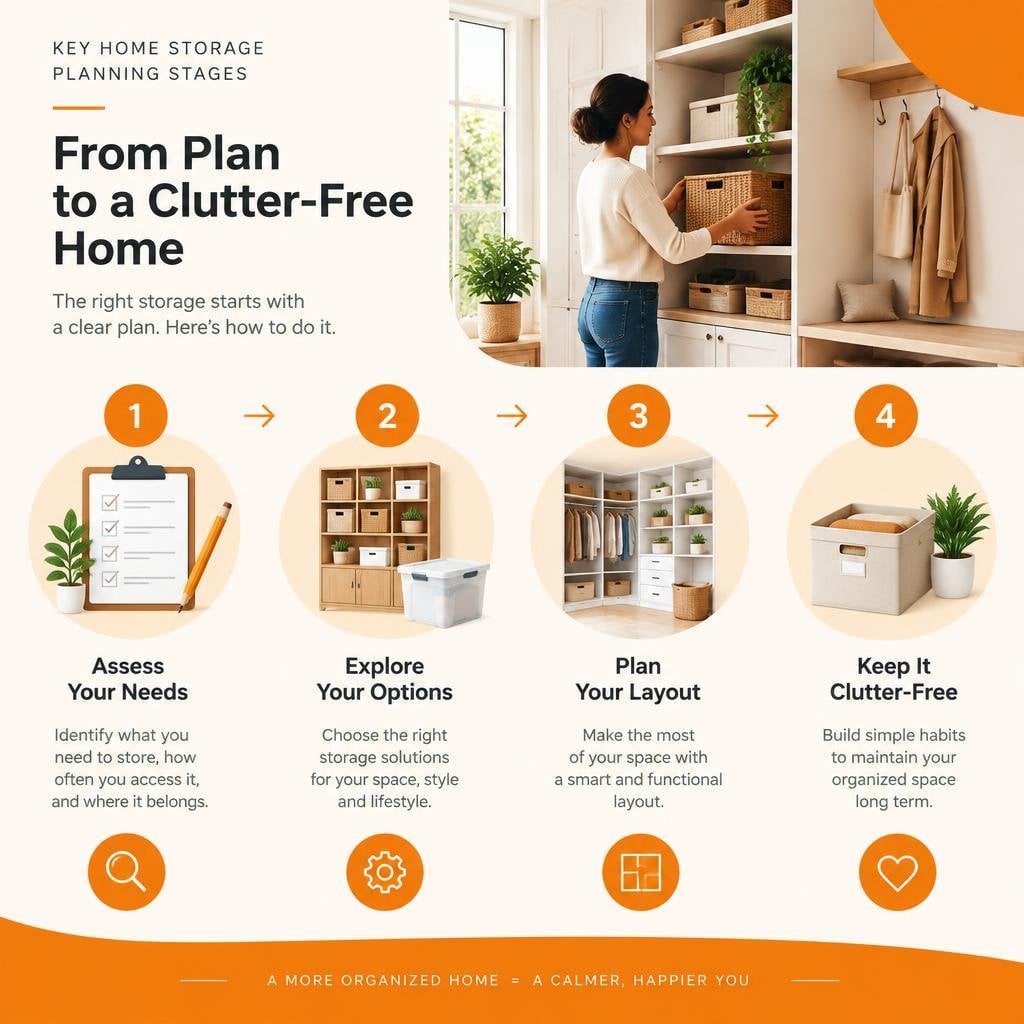
This guide explores the diverse world of storage options available today, covering everything from built-in cabinetry and versatile modular units to smart solutions for the smallest spaces.
You will learn how to choose the right storage for your specific needs and how to keep it clutter-free over time.
Specialized approaches, such as designing tailored custom closets, can completely transform home organization and provide practical strategies to reclaim space, enhance aesthetics, and improve overall functionality.
Navigating the vast array of storage options can feel overwhelming, but understanding the core categories helps streamline the decision-making process.
Each main type of storage serves a distinct purpose depending on your space and goals:
- Built-In Cabinetry: Permanent, custom-fitted systems that integrate seamlessly into your home’s design. They maximize vertical height and add long-term value, though they carry a higher upfront cost.
- Modular Units: Freestanding, adjustable furniture that adapts as your space or needs change. These are ideal for renters or flexible layouts because they can move with you.
- Off-Site Storage: Secure, external facilities ideal for excess items, seasonal gear, or temporary moves. They free up immediate home space, though they require monthly fees and travel to access.
- Open Shelving: Accessible, visible shelving that makes rooms feel larger and displays favorite decor. They keep daily items within reach, but require regular tidiness and dusting.
- Closed Cabinets: Concealed storage with opaque doors that hide everyday clutter and protect belongings from dust, helping maintain a calm and serene environment.
Identifying primary needs, whether maximizing space, enhancing aesthetics, or securing seasonal items, guides the selection of the most suitable solutions.
Structural durability, capacity planning, and how each option contributes to overall space optimization are key factors to consider.
Built-In Cabinetry and Tailored Systems
Built-in cabinetry and custom storage systems represent the pinnacle of home organization, offering solutions seamlessly integrated into the living environment.
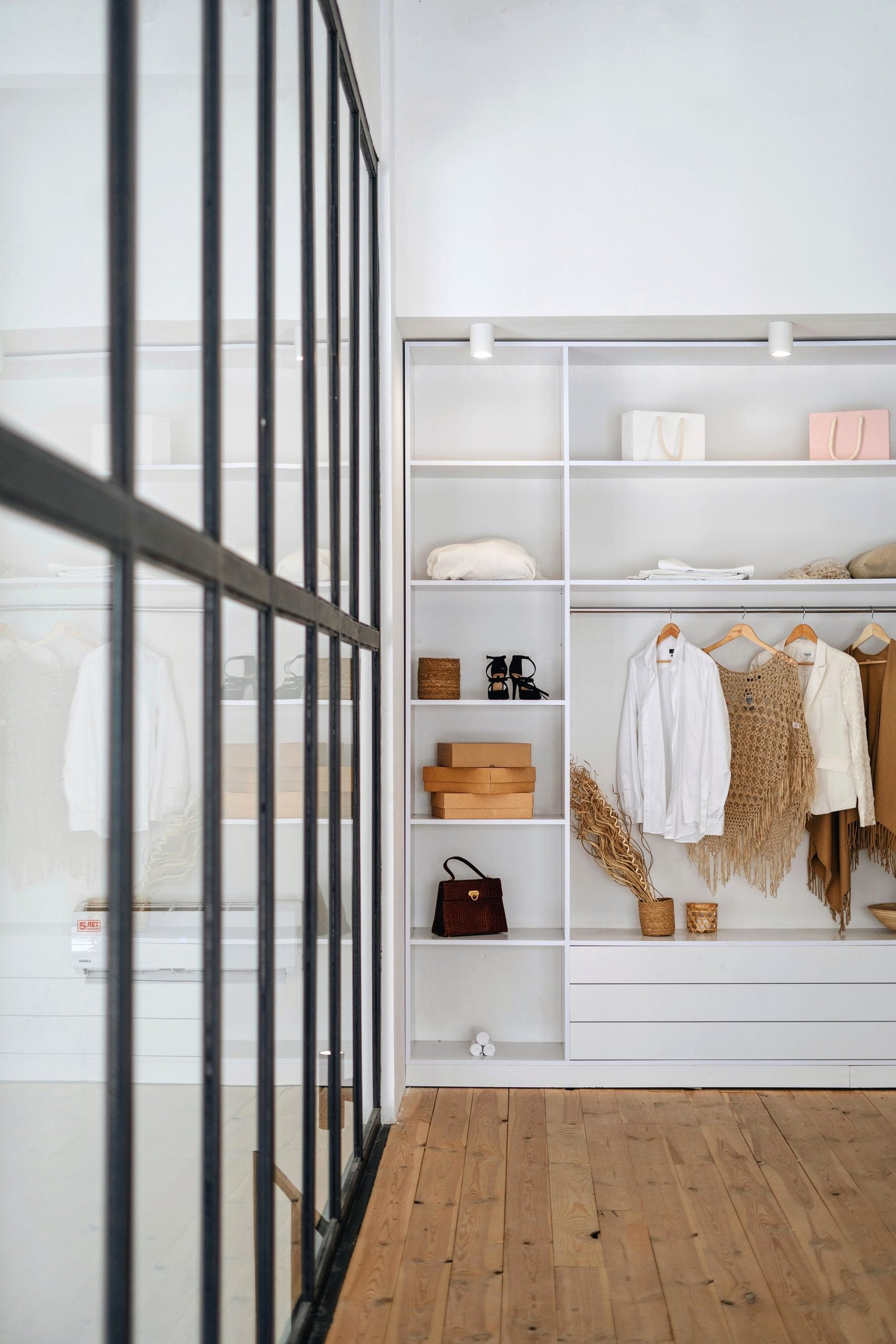
These systems are designed to fit precisely within architectural nuances, transforming underutilized areas like vertical alcoves, awkward corners, or entire walls into highly functional storage spaces.
By extending floor-to-ceiling, they maximize every inch of vertical clearance, providing ample capacity without encroaching on floor space.
The beauty of these solutions lies in their personalization.
Premium millwork, materials matching existing decor, and custom dividers, drawers, and compartments tailored to specific items (whether delicate glassware or an extensive wardrobe) create an intuitive setup.
A well-designed closet incorporates specialized shelving for shoes, drawers for accessories, and dedicated sections for different clothing types, ensuring every item has a designated place.
Exploring options for tailored custom closets reveals how thoughtful design integrates storage with lifestyle, enhancing both functionality and aesthetic appeal while adding significant home value.
Modular and Freestanding Furniture Units
For those seeking flexibility and adaptability, modular and freestanding furniture units offer an excellent alternative to built-in solutions.
These systems feature the ability to be reconfigured, expanded, or moved to different rooms or homes.
Many popular options utilize sturdy construction materials like powder-coated steel, which offers durability and resistance to moisture, making them suitable for humid environments like bathrooms or laundry rooms.
Adjustable shelving is a common feature, allowing shelf heights to accommodate items of varying sizes, from tall vases to stacks of books.
Some units incorporate sliding-door consoles, providing a sleek, modern aesthetic while concealing clutter and saving floor space compared to traditional hinged doors.
Wire baskets offer breathable storage for linens, clothing, or pantry items, making contents easily visible.
When considering these units, checking load capacity is crucial; some shelves hold around 44 pounds, while others support 20 to 33 pounds depending on construction and materials like particleboard with honeycomb paper filling.
Flat-pack assembly is another benefit, though some systems require specific tools or techniques, such as hammer-in brackets.
External and Off-Site Facilities
Sometimes, homes simply do not have enough space for everything, or items that are not frequently accessed require storage.
External and off-site storage facilities provide an invaluable solution for overflow storage, housing seasonal inventory like holiday decorations, winter sports gear, or summer patio furniture, and securely archiving important documents or business records.
Modern self-storage facilities offer a range of amenities designed to protect belongings. Many provide climate-controlled self storage, which is essential for sensitive items such as electronics, wooden furniture, artwork, and important papers, protecting them from extreme temperatures and humidity fluctuations.
Security features include gated access, digital video recording, and passcode entry, with some facilities offering smart-lock technology.
Providers often supply free moving equipment and truck rentals to smooth out logistics.
Unit sizing varies widely from small lockers to large drive-up units suitable for vehicles, boats, or RVs, allowing exact selection without paying for unused space.
With units available at competitive rates and high customer satisfaction ratings, these facilities offer a convenient and secure way to manage excess belongings.
Open Shelving vs. Closed Cabinets: Functional and Aesthetic Comparisons
The choice between open shelving and closed cabinets is a fundamental decision in home organization, profoundly impacting both functionality and aesthetics.
Each approach offers distinct advantages and influencing factors ranging from room feel to ease of access and maintenance.
Weighing the desire for visual lightness and display opportunities against clutter concealment and dust management is key.
Open shelving contributes to a lighter visual weight, making rooms feel more expansive and airy, though it requires constant tidiness.
Conversely, closed cabinets offer visual calmness by tucking away clutter, though they can make a space feel heavier or more enclosed. Balancing accessibility with a serene, practical environment is essential.
The Practical Benefits of Open Shelving
Open shelving enhances functionality and aesthetics by making frequently used items easily accessible, eliminating the need to open doors or rummage through drawers.
This proves particularly useful in kitchens for spices or everyday dishes, or in home offices for essential supplies.
Beyond practicality, open shelving serves as a platform for decorative display, showcasing cherished books, artwork, or curated collections to infuse personality into a room.
Expansive sightlines make smaller spaces feel larger, reducing the visual weight of solid cabinetry.
Concealed Storage for High-Volume Clutter
In contrast, concealed storage offers a powerful solution for managing high-volume clutter and creating visual calmness.
Utilizing sliding panels, opaque doors, or hardware-free fronts effectively hides items that do not require constant display.
This approach works exceptionally well in living rooms, bedrooms, or home offices where a serene environment is desired.
Concealed storage units protect items from dust, light, and handling, making them ideal for electronics, media, documents, or toys. Clever features like open backs for cable management keep wires organized and out of sight.
Maximizing Efficiency in Small and Awkward Living Spaces
Small homes and awkward spaces present unique challenges and exciting opportunities for creative storage solutions.
Maximizing efficiency in these areas relies on thinking vertically, utilizing multi-functional furniture, and identifying overlooked dead spaces to transform every nook and cranny into a valuable asset.
Multi-functional furniture, such as ottomans with hidden compartments or beds with integrated drawers, dramatically increases storage without adding extra footprint.
Under-stair storage can be converted into custom shelving, drawers, or a small closet.
Extending storage upwards to the ceiling draws the eye up and creates an illusion of greater space, making every square foot work harder.
Adapting Storage to Unused Vertical Areas
Looking upwards proves to be the most effective strategy when space is at a premium. Ceiling-height mounts and tall, narrow units store less frequently accessed items, seasonal decor, or extensive collections.
Utilizing wall studs ensures stability and safety for heavy items.
Vertical dividers, corner optimization with specialized floating shelves, and tiered organizers in pantries or closets maximize capacity while maintaining visibility and accessibility.
Temporary and Renter-Friendly Storage Tactics
Renters and those in temporary living situations face the challenge of needing effective storage without making permanent alterations.
Numerous renter-friendly tactics allow significant organization without damaging walls.
Freestanding garment racks or shelving units offer immediate storage that is easily disassembled. Tension rods create instant hanging space in closets, under sinks, or within window frames.
Non-damaging adhesive hooks, collapsible bins, fabric drawers, and modular wire grids provide flexible organization options for transient lifestyles.
Item-Specific Organization Strategies and Safety Guidelines
Effective storage involves strategic organization tailored to specific items coupled with crucial safety considerations.
Ensuring proper weight distribution, using anti-tip hardware for tall furniture, and securely anchoring units to wall studs safeguard the living environment.
- Clothing: Garment preservation requires appropriate hangers for different fabric types, folding knitwear to prevent stretching, and using vacuum-seal bags or stackable clear totes for seasonal items.
- Heavy Books: Sturdy shelving is essential, keeping in mind shelf load thresholds (such as 20 to 44 pounds depending on material) and distributing weight evenly across shelves to prevent bowing.
- Seasonal Decor: Uniform, clearly labeled stackable containers make seasonal rotation simpler in attics, garages, or external storage units.
Essential seasonal rotation practices include decluttering before storing, cleaning and repairing items, using uniform containers, labeling clearly, protecting delicate items with acid-free wrapping, considering climate needs, and planning accessibility.
Maintaining Home Storage for Long-Term Order
Establishing an organized home requires ongoing maintenance habits. Routine audits, perhaps quarterly or bi-annually, help assess what storage methods work and what items have accumulated unnecessarily.
The “one-in, one-out” rule states that for every new item brought into the home, an existing similar item must be donated, sold, or discarded.
Labeled bins and containers allow quick location and return of items. Adopting zone categorization, such as assigning specific types of items to designated areas, streamlines organization and maintains a sense of order.
Frequently Asked Questions About Residential Storage
How do I calculate the weight capacity required for home shelving?
Calculating appropriate weight capacity depends on several factors:
- Shelf Material: Solid wood is stronger than particleboard, while steel shelves hold significantly more weight.
- Span Length: Longer spans between supports hold less weight without bowing compared to shorter spans.
- Bracket Spacing: Closer spacing of wall-mounted brackets increases load capacity.
- Load Distribution: Evenly distributing weight across the shelf prevents concentrated stress. Always overestimate needs or consult manufacturer specifications.
What are the essential safety measures for tall or wall-mounted storage?
- Stud Anchoring: Anchor tall furniture and wall-mounted units directly into wall studs using appropriate hardware to prevent tipping.
- L-Brackets: Secure the top of heavier or taller units to the wall for additional stability.
- Base Leveling: Ensure units are level on the floor, using shims to prevent wobbling.
- Child Safety: Keep heavy items on lower shelves and prevent children from climbing on furniture.
How can storage furniture improve room aesthetics while maintaining utility?
Storage furniture can enhance room aesthetics through cohesive materials matching existing decor, textured bins and baskets made of natural materials like wicker or woven fabric, integrated lighting within shelves, streamlined profiles with sliding doors, and decorative accents styled on open shelves.
Practical Strategies for Organizing Your Home Long-Term
Effective home and personal storage solutions are fundamental to creating a harmonious and functional living environment.
From the architectural precision of built-in cabinetry to the adaptable nature of modular units and the strategic utility of external facilities, a solution exists for every challenge.
Embracing smart strategies for organizing, designing tailored layouts, and committing to consistent maintenance habits moves storage beyond simple containment toward enhancing your daily lifestyle.
Using the right tools and planning consistently creates a calmer, more efficient, and enjoyable living space that works for your everyday needs.
Do you have any strategies for organizing to add?
Let me know, til then—cheers m’deres!

PIN FOR LATER:

Nancy Polanco is a freelance journalist, lifestyle content creator, and editor of Whispered Inspirations. She is a proud Mom to Gabby and Michaela and partner and best friend to Darasak. Having worked as part of a health care team for almost a decade, Nancy is happy to be back to her passion. She is a contributor to the Huffington Post, TODAY’s Parents, and an Oprah Magazine Brand Ambassador.