Year-Round Pest Prevention: A Four-Season Guide for Irvine Homes
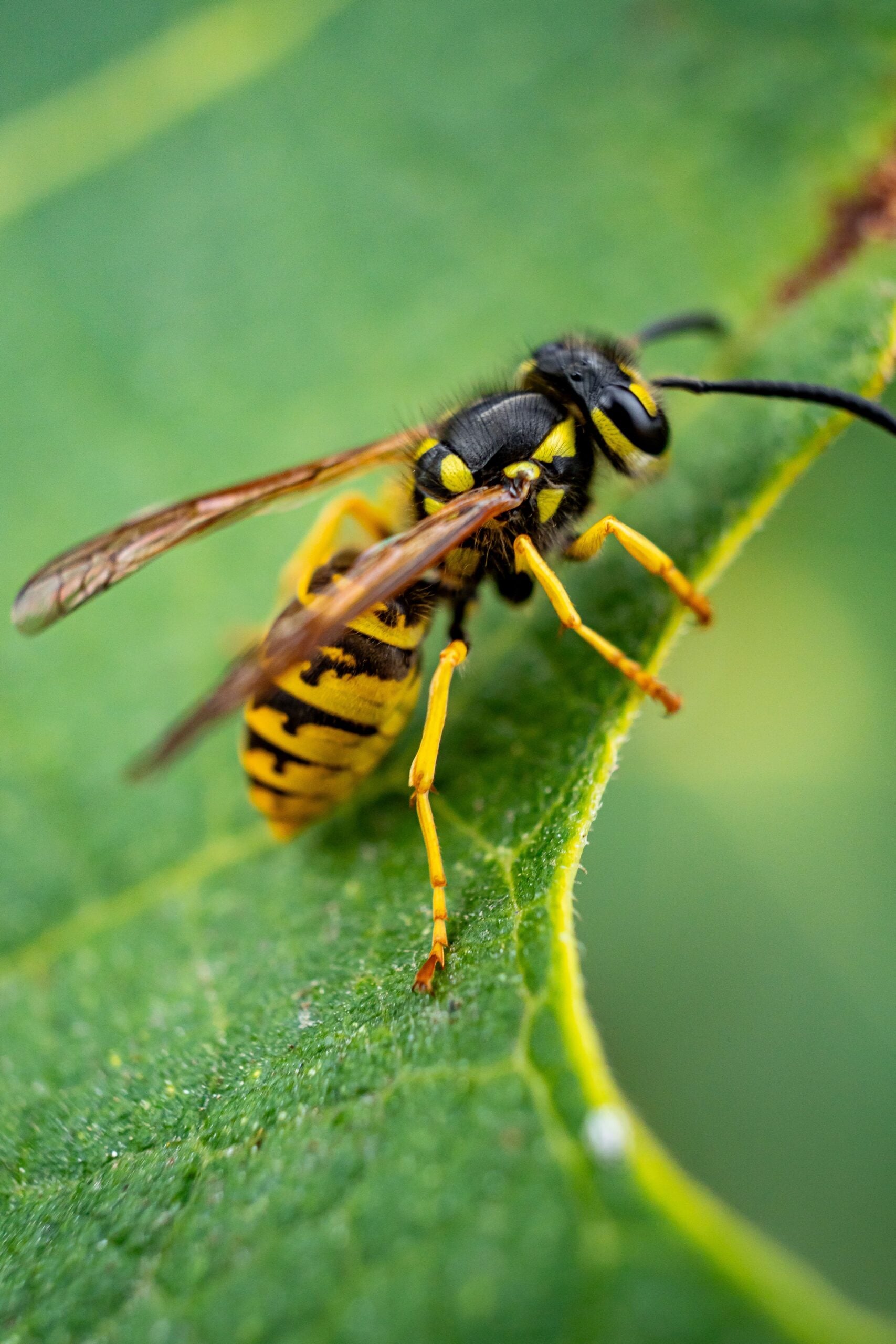
Four-Season Home Pest Prevention Plan
Irvine’s landscaped neighborhoods, warm stretches, irrigated yards, and mild seasonal changes can create year-round opportunities for household pests to find food, water, and shelter.
A consistent preventive routine helps homeowners address minor issues before they become larger problems.
If pest activity is already recurring, requesting a free pest control quote can help identify likely entry points and pressure areas around the property.
The most useful approach is not simply treating on a calendar.
Instead, Irvine households can inspect their homes as conditions change, remove attractants, repair gaps, manage moisture, and watch for signs that a pest problem is growing.
Why Pest Prevention Should Follow the Seasons
Even modest shifts in temperature, rainfall, irrigation needs, and outdoor activity can change where pests travel and hide.
Spring growth can create shelter near walls, summer heat can make water sources more important, and cooler fall evenings can send pests toward garages and interior voids.
Seasonal prevention means adapting to those conditions rather than automatically spraying every few months.
Spring Pest Prevention in Irvine
Spring is a practical time to look for ant trails around kitchens, patios, and foundations, as well as flying insects near doors and windows.
Homeowners should also watch for termite swarmers, which are winged reproductive termites that may appear around lights, windows, or doors.
Spring Tasks for Irvine Homes
- Inspect window screens, door sweeps, and weather stripping for tears or gaps.
- Seal openings around pipes, utility lines, vents, and exterior fixtures.
- Repair dripping faucets and check beneath sinks for slow leaks.
- Move firewood, cardboard, leaf piles, and yard debris away from exterior walls.
- Trim shrubs and branches so they do not rest against siding, stucco, or the roofline.
Summer Pest Prevention in Irvine
Outdoor meals, pool areas, pet bowls, trash containers, and regularly irrigated landscaping can all create conditions that attract pests during Irvine summers.
Wasps may investigate food and drink areas, mosquitoes can develop in standing water, and cockroaches or spiders may use sheltered utility and storage spaces.
Outdoor Prevention Steps
- Empty water from plant saucers, buckets, toys, and other containers after irrigation or rain.
- Keep trash in clean containers with tight-fitting lids.
- Clean crumbs, spills, and pet food bowls promptly after outdoor gatherings.
- Clear leaves from gutters and drains so water can move freely.
- Check eaves, patio covers, and outdoor furniture before disturbing a possible wasp nest.
Fall Pest Prevention in Irvine
As nights grow cooler, rodents and other pests may explore protected spaces such as attics, garages, gaps in walls, sheds, and storage rooms.
Focus on exclusion before seasonal decorations and stored items are brought inside.
Fall Inspection Points
- Check garage door seals, roof vents, attic openings, and gaps around air-conditioning lines.
- Inspect boxes, unused furniture, and holiday décor for droppings, webbing, or insect activity.
- Store belongings in sealed plastic containers rather than open cardboard boxes when possible.
- Keep storage raised from the floor and leave enough space to inspect behind it.
Winter Pest Prevention in Irvine
Winter may reduce visible outdoor activity, but it does not eliminate pest concerns in Irvine homes. Use this quieter period to inspect laundry rooms, pantries, garages, crawl-space access areas, and rarely used rooms.
Look for droppings, shed skins, damaged food packaging, webbing, or unusual odors, then repair screens and exterior gaps before warmer weather returns.
A Simple Monthly Pest Prevention Checklist
- Week One: Check doors, windows, screens, and visible gaps near the foundation.
- Week Two: Inspect sinks, faucets, drains, gutters, and plant trays for moisture.
- Week Three: Remove clutter from patios, garages, sheds, and storage spaces.
- Week Four: Look for trails, droppings, damaged materials, webbing, and recurring insect sightings.
How Integrated Pest Management Works
Integrated pest management, often called IPM, combines inspection, accurate identification, sanitation, exclusion, monitoring, and carefully selected treatment when needed.
The home and landscape IPM guidance from the University of California emphasizes reducing access to food, water, and shelter, as well as limiting entry points, before relying on pesticides.
For example, an ant trail may lead to a food source or moisture issue, while rodent droppings may point to a gap near a utility line or garage door. Addressing the conditions that support the pest is often more durable than treating only the visible activity.
When to Ask for Professional Help
One insect or spider does not always indicate an infestation. However, repeated sightings, daytime rodent activity, damaged wood, persistent cockroach activity, or pests appearing in several rooms deserve closer attention.
Suspected termite activity, stinging insect nests, and pests living in wall voids can require specialized handling.
Ask any provider what pest was identified, where activity was found, what treatment is planned, and what preparation or safety steps are needed.
Safe Use of Pest Control Products
When a product is appropriate, read the full label and use it only for the listed pest and location. Do not apply more than directed, mix products unless instructions allow it, or leave children, pets, toys, and food in treatment areas.
The EPA’s pesticide safety tips also recommend reducing food, water, shelter, and breeding sites as a lower-risk first step.
Common Questions About Seasonal Pest Prevention in Irvine
Are pests only a problem during warm weather?
No. Some pests are more noticeable in warm weather, while others seek indoor shelter when outside conditions change. Irvine’s generally mild conditions can support pest activity across multiple seasons.
How often should a homeowner inspect the property?
A quick monthly inspection is a sensible baseline, with closer checks after heavy rain, heat waves, plumbing repairs, landscaping work, or a new pest sighting.
Does seeing one pest mean there is an infestation?
Not necessarily. Repeated sightings, droppings, trails, damage, or activity in more than one area are stronger reasons to investigate further.
Should homeowners spray every season?
Routine spraying is not always necessary. Start with identification, cleaning, moisture control, exclusion, and monitoring, then use targeted treatment only when it fits the problem.
Ready to Protect Your Irvine Property Year-Round?
A year-round strategy offers Irvine residents an effective method to minimize pest-related issues. Regular inspections, organized, dry storage, properly maintained gardens, and sealed access points can help prevent minor pest issues from escalating into significant household problems.
Do you focus on year-round pest prevention?
Sound off, below!
—Matt
PIN FOR LATER:

I am a contractor and just a DIY guy in my spare time. I love building things and sharing my knowledge with other DIY’ers. You can do anything you set your mind to! When I am not building or fixing something, I am all about baseball. Go Tigers, go!