How Mulch Benefits Your Garden
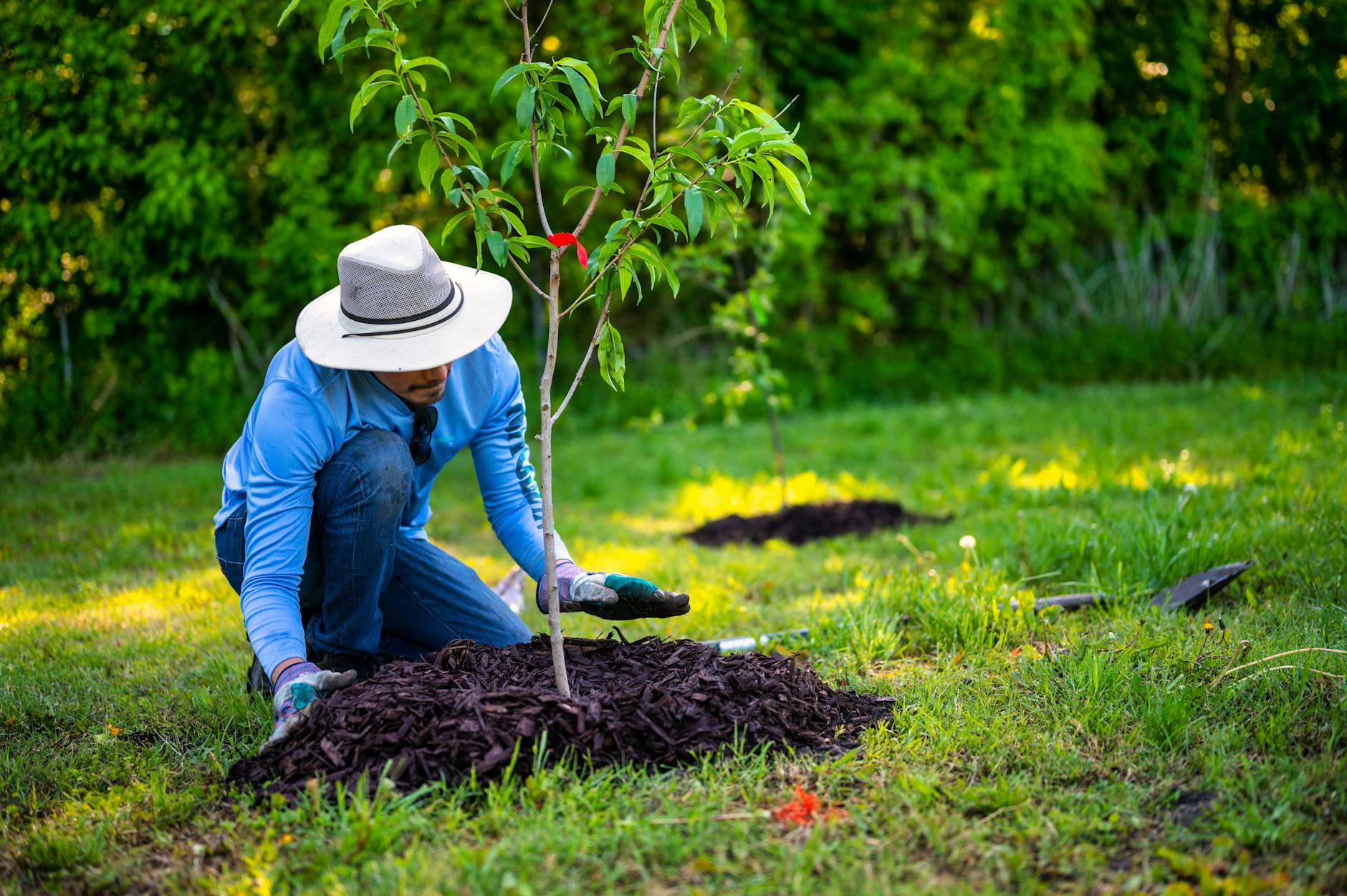
Mulching is a foundational gardening practice that brings long-lasting value to both novice and experienced gardeners.
With benefits that extend from the soil up to the garden’s canopy, using mulch supports plant vitality and landscape sustainability.
Mulch not only acts as a physical shield for your soil. It also becomes a nurturing environment for your entire garden system. In this way, it helps your garden thrive through the seasons.
Choosing the right mulch establishes a solid foundation for a thriving garden.
Whether you’re maintaining vegetable beds, landscaping ornamental borders, or planting new trees, mulch is essential for reducing watering needs. It also helps with suppressing weeds.
Its role in improving soil health and boosting garden aesthetics cannot be overstated.
Applied correctly, mulch reduces the demands on your time and resources while supporting healthier, more resilient plants.
In the following sections, you’ll discover how the simple act of mulching unlocks multiple benefits.
You’ll also see how best practices further amplify its positive impact throughout your landscape.
To maximize positive results, select the correct type of mulch and apply with care. You should take into account regional climates, rainfall, and plant needs.
This ensures your garden remains vibrant and productive throughout the year.
You’ll find practical tips and science-backed strategies to help your landscape flourish.
Moisture Retention
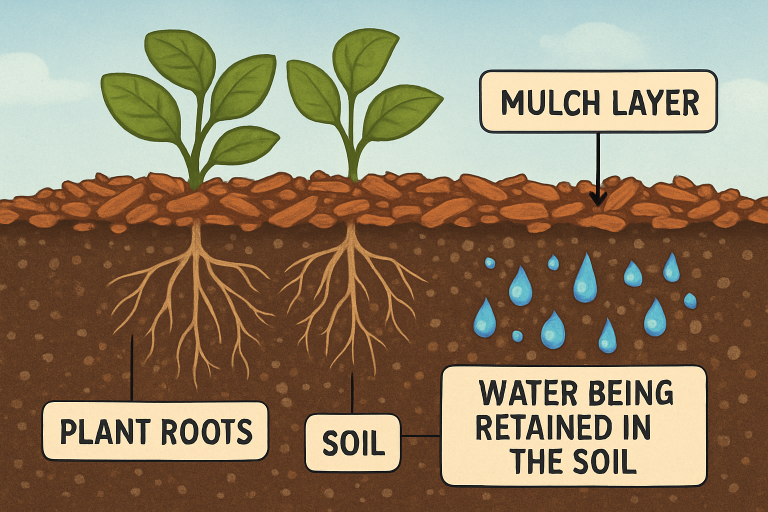
One of the primary roles of mulch in the garden is conserving soil moisture. Acting as a protective layer, mulch covers the soil’s surface and shields it from the sun, dramatically reducing water evaporation.
This is especially critical during the heat of summer or periods of drought. It enables plants to remain hydrated for longer periods between waterings.
According to University of Minnesota Extension, mulch helps soil hold water. It reduces the need to water and is especially helpful during dry summers.
Weed Suppression
Nothing disrupts a beautiful garden like a flush of invasive weeds. Mulch works as a natural weed barrier by blocking sunlight and physically hindering weed seedlings from emerging.
The reduction in weed growth significantly reduces labor and the use of chemical herbicides.
Additionally, by covering bare soil, mulch helps shield plants from certain diseases. These diseases can spread when rain splashes soil-borne pathogens onto leaves.
Weed suppression is one of mulch’s greatest advantages for both flower and vegetable gardens.
Soil Temperature Regulation
Fluctuating soil temperatures can stress plants and impact root systems. However, mulch acts as a natural insulator by moderating temperature extremes.
It keeps soils cooler during heat waves and guards against frost in the cold months.
This creates a stable environment for plant roots, leading to stronger and more consistent plant growth.
As noted by various horticultural experts, maintaining even temperatures in the root zone results in less plant shock. It also enhances root development, particularly for younger or newly transplanted specimens.
Soil Fertility Enhancement
Using organic mulches adds yet another benefit—improving soil quality over time. Materials like shredded leaves, wood chips, or composted bark gradually break down and feed the soil’s ecosystem as they decompose.
This slow release of nutrients enhances soil fertility, promoting vigorous plant growth and healthier yields.
Over time, mulched beds develop an improved soil texture, better drainage, and increased microbial activity. All of these are foundational for resilient gardens.
Erosion Prevention
Heavy rainfall and wind are major contributors to soil erosion, which robs garden beds of valuable topsoil and essential nutrients.
Applying mulch forms a protective layer that absorbs the impact of raindrops and lessens the force of flowing water.
Therefore, it reduces runoff and holds the soil in place.
This is especially important on slopes and exposed plots, where preventing erosion is crucial to the garden’s vitality and sustainability.
Pest Control
Beyond moisture and weed management, certain types of mulch offer natural pest deterrence. For instance, cedar and cypress contain aromatic oils that repel common garden pests such as ants and termites.
However, while mulch can be a helpful barrier, caution is needed.
Avoid piling mulch high against plant stems or tree trunks. This can create moist environments that harbor rodents, slugs, and even fungal diseases.
Keeping mulch several inches away from trunks is an easy preventive measure.
Aesthetic Improvement
Mulch does more than work behind the scenes. It also elevates the garden’s look. A well-mulched garden bed appears neat, uniform, and thoughtfully planned.
Choices in mulch color and texture allow you to complement plantings or design themes. In addition, mulch can frame plant groupings and enhance curb appeal.
This visual cohesion provides a polished, inviting look to gardens, paths, and tree rings.
Proper Mulching Techniques
Best Practices for Mulching
- Use a 2- to 3-inch layer for most gardens—thick enough to provide coverage, but not so deep as to hinder air and water penetration.
- Keep mulch a few inches away from the base of plant stems, trunks, and woody perennials to prevent rot and discourage pests.
- Monitor mulch depth annually and replenish as needed, especially after decomposition or garden maintenance activities that may displace your original layer.
- Match the mulch type to your plant’s needs: organic options improve soil structure, while inorganic choices, such as stone or rubber, may be better suited for ornamental or low-maintenance areas.
Proper mulch application maximizes all associated benefits—from water conservation to improved fertility. As a result, it helps both amateur and master gardeners achieve robust, sustainable landscapes.
With just a few mindful steps, you can transform your garden by harnessing the protective, nurturing, and beautifying power of mulch.
When woven into seasonal care and planting activities, this simple strategy yields healthier plants, less maintenance, and a standout yard year after year.
Did you know how much mulch benefits your garden?
Sound off, below!
— Matt
PIN FOR LATER:

I am a contractor and just a DIY guy in my spare time. I love building things and sharing my knowledge with other DIY’ers. You can do anything you set your mind to! When I am not building or fixing something, I am all about baseball. Go Tigers, go!