How Solar Energy Can Transform Your Home and Lower Utility Bills
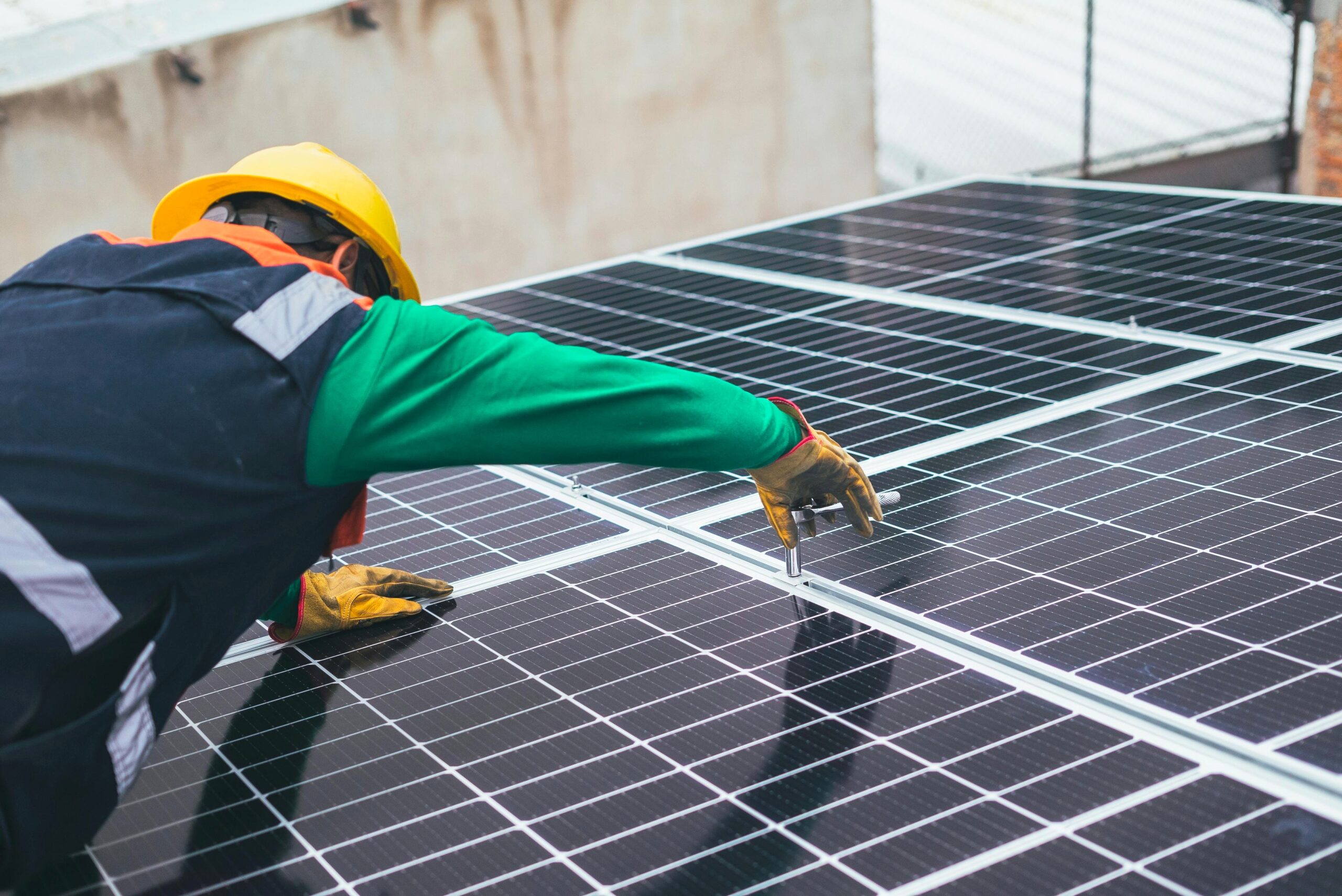
How Solar Energy Can Transform Your Home and Lower Utility Bills
If you live in New Jersey, you’ve probably noticed how unpredictable electric bills can be. Winter heating costs spike.
Summer air conditioning pushes usage even higher. And year after year, utility rates seem to climb. For many homeowners, it feels like there’s no real control over what arrives in the mailbox each month.
At the same time, solar panels have become a more common sight across neighborhoods in the Garden State.
From suburban rooftops to rural properties, more families are turning to solar as a practical solution rather than a futuristic idea.
New Jersey consistently ranks among the leading states for solar adoption, thanks in part to its supportive programs and strong sunlight throughout the year.
For homeowners looking to lower monthly expenses and make a long-term investment in their property, solar energy is no longer out of reach.
It’s a realistic option that can change how your home consumes power and how much you pay for it.
Solar Energy Reduces Long-Term Utility Costs
At its core, solar energy is simple. Panels installed on your roof capture sunlight and convert it into electricity.
That electricity powers your home. Instead of pulling all your energy from the grid, you use what your system generates first.
If your system generates more electricity than your home uses, the extra energy can often be sent back to the grid, earning you bill credits through net metering.
The immediate benefit is lower monthly utility bills. The long-term benefit is protection from rising energy rates.
When you produce your own electricity, you rely less on fluctuating market prices.
In New Jersey, financial incentives make solar even more attractive. Homeowners exploring installation options should take time to learn more about NJ solar incentives, since state programs, federal tax credits, and performance-based incentives can significantly reduce upfront costs and improve overall return on investment.
Experienced solar professionals can guide you through available credits, rebates, and financing options to ensure you maximize savings while designing a system that fits your home’s energy needs.
When incentives combine with long-term utility savings, solar becomes more than an environmental choice. It becomes a smart financial move.
Solar Increases Property Value
Beyond monthly savings, solar panels can increase your home’s value. Buyers are often drawn to properties with lower operating costs.
A home equipped with solar signals energy efficiency and modern upgrades.
In competitive real estate markets, energy-efficient features stand out. Prospective buyers understand the appeal of stepping into a home with reduced electric bills from day one.
Even if you’re not planning to sell soon, it’s reassuring to know that your investment adds measurable value. Solar is not just an expense.
It’s an upgrade that strengthens your property’s appeal.
Greater Energy Stability and Independence
Utility rates don’t always remain predictable. Over time, increases are common. Solar gives homeowners more stability by reducing reliance on outside energy sources.
Some systems can also be paired with battery storage. This allows you to store excess energy generated during the day and use it later.
In certain situations, battery systems can provide backup power during outages.
While not every homeowner chooses storage, the option adds flexibility. Energy independence brings peace of mind, especially during peak seasons when usage is high.
Environmental Benefits That Matter
Switching to solar energy reduces your carbon footprint. Traditional electricity often relies on fossil fuels. Solar power uses sunlight, a renewable resource, to generate clean energy.
For many families, this environmental impact is just as important as the financial benefits. Producing clean energy helps reduce greenhouse gas emissions and supports broader sustainability goals.
Solar panels also require minimal water to operate compared to some traditional power generation methods.
Over time, small environmental changes add up.
Choosing solar reflects a commitment to cleaner living and responsible energy use.
Modern Technology Makes Solar More Accessible
Solar technology has improved significantly over the past decade. Panels are more efficient, meaning they produce more electricity from the same amount of sunlight.
Designs are sleeker and blend more naturally with residential roofs.
Many systems include monitoring apps that allow homeowners to track energy production in real time. You can see how much electricity your panels generate daily and how much you’re saving.
Professional installation teams assess roof structure, sun exposure, and energy usage patterns before designing a system.
This ensures panels are positioned for maximum efficiency.
Solar is no longer bulky or experimental. It’s streamlined, durable, and built for long-term performance.
Low Maintenance and Long Lifespan
One concern homeowners often have is maintenance. Fortunately, solar systems require very little upkeep. Panels have no moving parts, which reduces wear and tear.
Occasional cleaning to remove debris or pollen may be necessary, but most systems rely on rainfall to handle basic cleaning.
Installers also ensure that mounting systems are secure and designed to withstand local weather conditions.
Solar panels are typically built to last 20 to 30 years or more. Many come with manufacturer warranties that provide added reassurance.
When you consider the lifespan of the system, the long-term savings become even more significant.
Addressing Common Concerns
Some homeowners hesitate because they believe solar won’t work in cloudy climates. While New Jersey does experience overcast days, modern panels are designed to generate power even in indirect sunlight.
Others worry about roof damage. Professional installation teams carefully assess roof condition before installation and use secure mounting systems that protect structural integrity.
Cost is another common concern. While installation requires an upfront investment, financing options and incentives help offset expenses.
Over time, savings often outweigh the initial cost.
Understanding the facts helps eliminate unnecessary hesitation.
Choosing the Right Solar Provider
Selecting a knowledgeable and experienced solar provider makes a major difference. A professional team will evaluate your home’s energy usage, inspect the roof condition, and design a customized system.
They’ll also explain available incentives and help you navigate paperwork. Clear communication and transparent pricing are important throughout the process.
Solar installation is a long-term investment, so choosing professionals who stand behind their work provides confidence and support.
Solar energy transforms more than just your roof. It changes how your home consumes power and how much you pay for it.
Lower utility bills, state incentives, increased property value, and environmental benefits all combine to make solar a practical choice.
In New Jersey, where electricity costs can be high and incentive programs are strong, the opportunity is especially compelling.
When you install solar panels, you’re not just adding equipment. You’re investing in stability, savings, and sustainability.
Over time, those benefits compound.
The sooner you switch to solar, the sooner you start seeing results. And in a world where energy costs continue to rise, that kind of control can make a meaningful difference for your home and your budget.
Are you considering solar energy for your home?
Sound off, below!
—Matt
PIN FOR LATER:
I am a contractor and just a DIY guy in my spare time. I love building things and sharing my knowledge with other DIY’ers. You can do anything you set your mind to! When I am not building or fixing something, I am all about baseball. Go Tigers, go!