Decorating a Stunning Home: How to Keep Pests Out Without Sacrificing Style
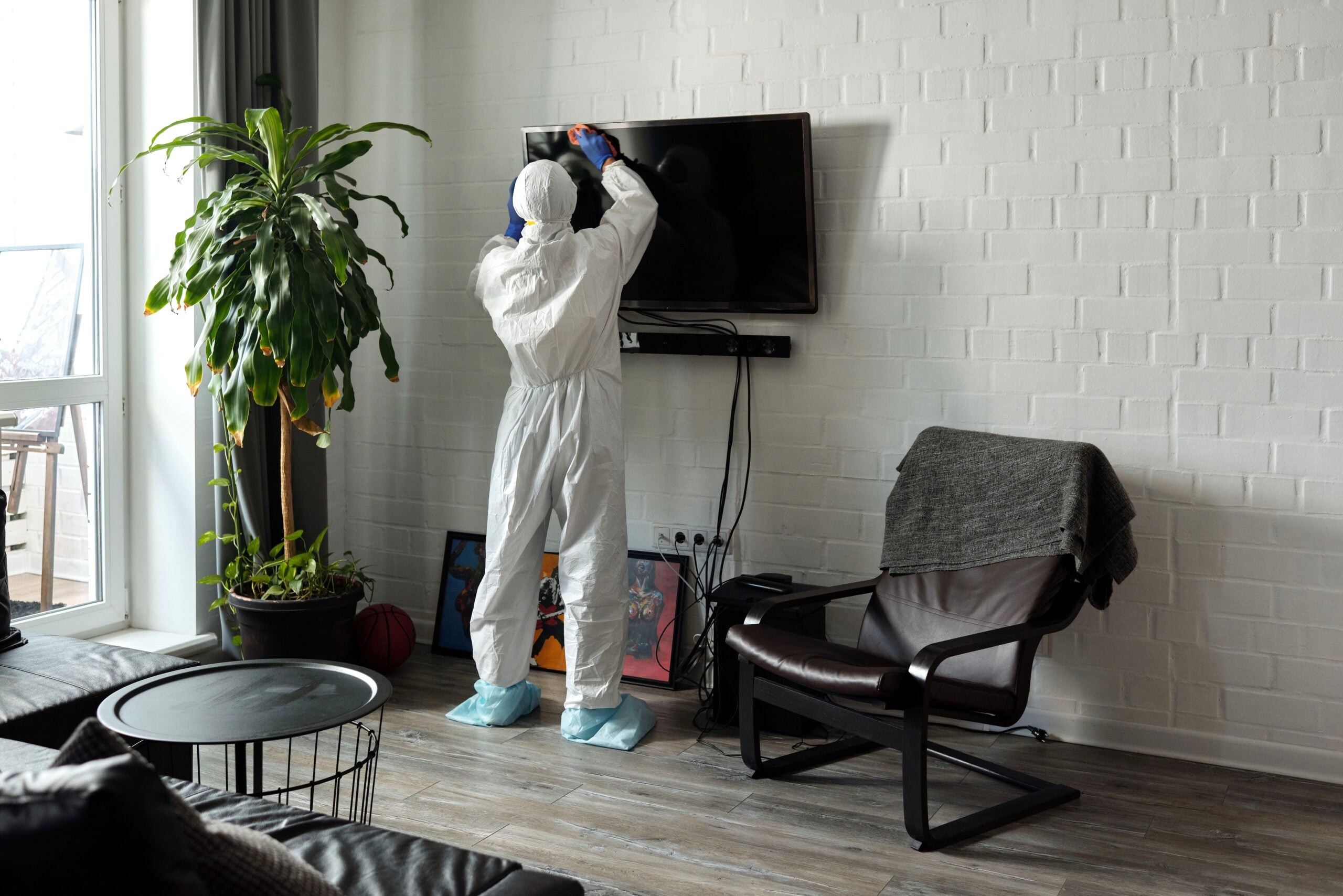
How to Keep Pests Out Without Sacrificing Style
A room makeover usually starts with the visible details. You choose paint colors, compare furniture, arrange shelves, and find textiles that bring everything together.
But there’s another consideration worth including in the plan: pest prevention.
Some decorating choices create hidden spaces where insects and rodents can find shelter. Others make cleaning difficult, trap moisture, or leave food and organic materials exposed.
These problems rarely appear on a mood board, yet they can undermine an otherwise beautiful space.
A well-designed home should be attractive and practical. With a little planning, you can create comfortable rooms without making them more inviting to unwanted visitors.
Your Furniture Layout Can Create Hidden Pest Habitats
Furniture placement affects more than the appearance of a room. Large cabinets pushed tightly against walls, beds with inaccessible undersides, and crowded corners can create dark spaces that rarely receive attention during routine cleaning.
These areas may provide shelter for cockroaches, spiders, silverfish, and rodents. Dust, food crumbs, and forgotten items can make them even more appealing.
You don’t need to leave your rooms looking sparse.
Instead, think about access before settling on a layout. Leave enough clearance around large furniture to vacuum and inspect behind it.
Choose storage units that are easy to move or clean underneath, and avoid filling every available corner with decorative objects.
Pay attention to baseboards, utility openings, and areas around plumbing. Furniture should not prevent you from noticing cracks, leaks, or other signs of pest activity.
Decorative Storage Should Protect What’s Inside
Open shelving can make a room feel spacious and organized. Woven baskets, glass jars, and vintage cabinets also add character.
But attractive storage is not necessarily effective storage.
Food, pet treats, dried flowers, and certain natural decorative materials can attract insects if left exposed. Cardboard boxes and paper packaging can also provide shelter for pests, particularly when stored for long periods.
Use airtight containers for pantry goods, pet food, and other materials that could attract insects or rodents.
Keep decorative baskets for items that don’t create a food source, and avoid allowing packaging to accumulate in cupboards or utility rooms.
For businesses maintaining a polished reception area, café, salon, or office, cleanliness matters just as much behind the scenes.
Professional commercial pest control services can support a broader prevention strategy when routine cleaning and maintenance are not enough.
Choose Soft Furnishings That Are Easy to Maintain
Rugs, curtains, upholstered headboards, cushions, and fabric storage baskets add warmth and personality. However, they also collect dust, hair, food particles, and other debris when neglected.
Some insects can damage natural fibers, while dust mites thrive in environments where humidity and suitable food sources are available.
This doesn’t mean you should avoid textiles. It means choosing materials that suit your household and cleaning routine.
Low-pile rugs are generally easier to vacuum than thick shag designs.
Washable cushion covers and removable upholstery covers make regular cleaning more manageable. Curtains that sit slightly above the floor are less likely to collect dust and debris along their hems.
Storage benches and ottomans deserve attention, too.
If you keep blankets, spare bedding, or seasonal clothing inside them, inspect the contents periodically. Make sure stored fabrics are clean and completely dry before putting them away.
The goal is not to remove every decorative textile. It’s to make sure your favorite furnishings don’t become neglected hiding places.
Moisture Control Belongs in Every Decorating Plan
Moisture is one of the easiest problems to overlook during a room makeover. A space may look perfectly finished while condensation, plumbing leaks, or poor ventilation create conditions that support unwanted pests.
Basements, bathrooms, laundry rooms, and kitchens deserve particular attention. Heavy curtains can restrict airflow around windows.
Large bookcases may conceal damp patches on exterior walls. Decorative covers can also make plumbing connections harder to inspect.
Choose materials according to the conditions in each room.
Bathrooms and laundry areas benefit from finishes that tolerate humidity and can be cleaned easily. Avoid placing untreated wood or moisture-sensitive textiles where they are likely to remain damp.
Indoor plants need similar care.
Empty excess water from trays, avoid overwatering, and check the soil for signs of persistent moisture or insect activity.
The Environmental Protection Agency’s guidance on indoor environmental concerns during remodeling explains how moisture, food sources, and sheltered spaces contribute to pest problems.
These factors are worth considering before furniture and finishes make problem areas harder to reach.
Seasonal Decorations Need Inspection Before Storage and Use
Holiday decorations and seasonal accessories spend much of the year in cupboards, garages, attics, and storage rooms.
Unfortunately, these places can also provide shelter for insects and rodents.
Wreaths, artificial trees, fabric ornaments, and stored textiles may collect dust or conceal insects.
Secondhand furniture and decorative pieces can introduce pests if they are brought indoors without inspection.
Before displaying stored items, check them carefully in good lighting. Examine seams, folds, undersides, and enclosed compartments.
Wipe down hard surfaces, wash suitable fabrics, and discard damaged packaging.
Storage methods matter just as much. Sturdy plastic containers with secure lids generally offer better protection than cardboard boxes.
Keep containers dry, avoid overcrowding storage areas, and inspect them periodically rather than waiting until the next holiday season.
If you purchase vintage furniture or accessories, examine them before bringing them into bedrooms or living areas. A little caution at the beginning can prevent a much larger problem later.
Build Pest Prevention Into Your Cleaning Routine
A beautiful room should remain practical after the decorating is finished. That means considering how you will clean, inspect, and maintain it before deciding where everything belongs.
Start with a routine that reflects the materials and layout of each room.
Vacuum beneath accessible furniture, clean rugs regularly, and inspect upholstered items. Check storage baskets, cupboards, window areas, and spaces beneath sinks for moisture or signs of pest activity.
The National Pesticide Information Center’s home and household integrated pest management guide offers useful advice on reducing clutter, sealing entry points, controlling moisture, and storing food securely.
Also, pay attention to small changes.
Unusual droppings, damaged packaging, discarded insect skins, or unexplained fabric damage may indicate activity that deserves investigation.
Identify the pest before choosing a control method, since different pests require different responses.
Create a Home That’s Beautiful and Practical
Decorating should make your home more comfortable, not introduce maintenance problems that could have been avoided.
Furniture placement, storage choices, ventilation, and material selection all influence how easy a room is to keep clean and monitor.
You don’t need to compromise on style to reduce pest risks. Choose practical furnishings, keep stored items protected, address moisture promptly, and leave enough access for regular cleaning.
The best decorating decisions work long after the makeover is complete.
When your rooms are attractive, organized, and easy to maintain, you create a space that feels better to live in and gives unwanted pests fewer opportunities to settle in.
Do you have any more ideas on how to keep pests out?
Drop a comment, below!
—Matt
PIN FOR LATER:

I am a contractor and just a DIY guy in my spare time. I love building things and sharing my knowledge with other DIY’ers. You can do anything you set your mind to! When I am not building or fixing something, I am all about baseball. Go Tigers, go!