How Do You Stop Pigeons Without Using Harmful Chemicals?
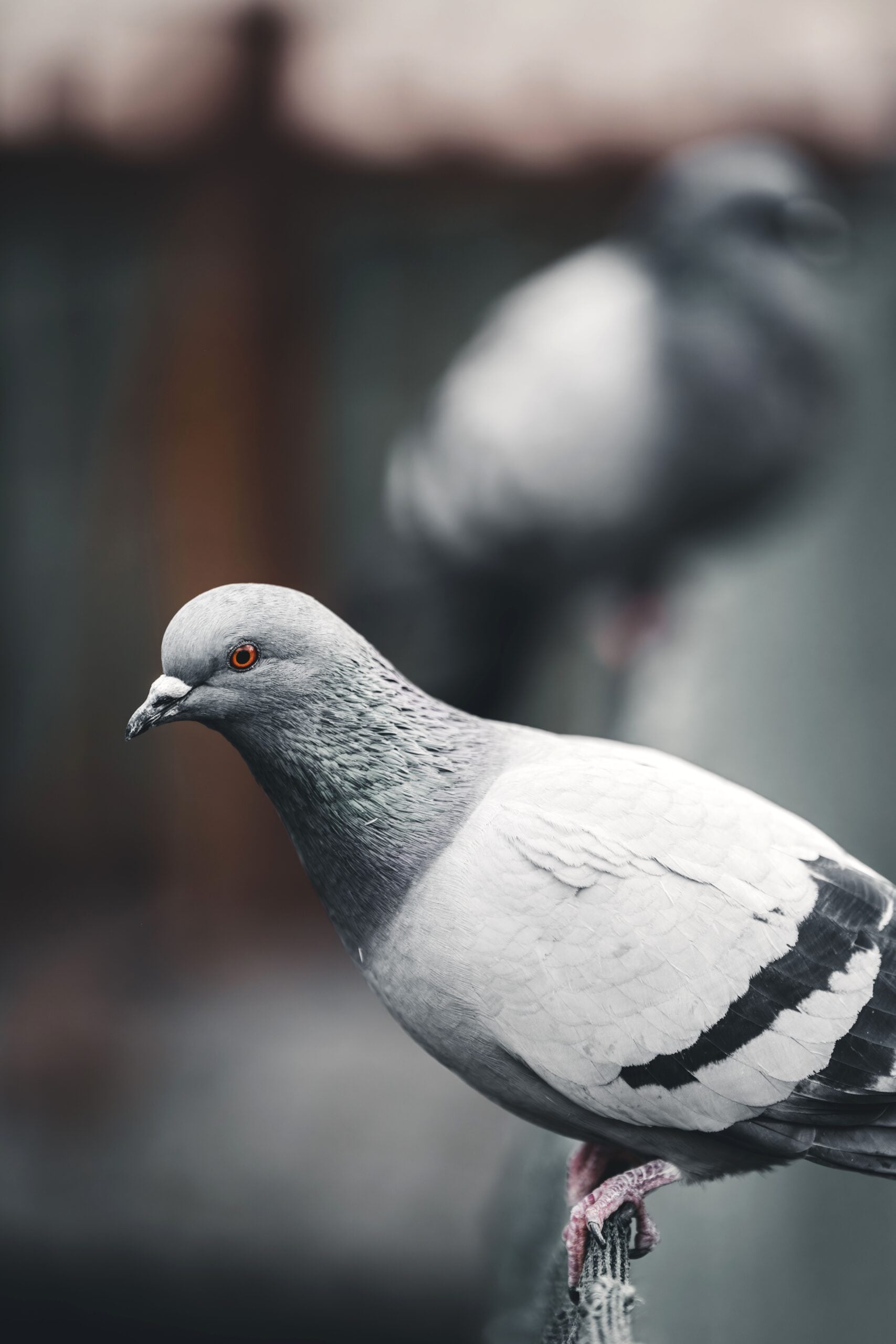
How To Stop Pigeons Without Using Chemicals?
Pigeons are smart, adaptable birds that have lived alongside humans for centuries. The downside is messy and real.
Droppings that corrode metal and stone, bacteria that create genuine health concerns, and a stubborn habit of returning to the same roost no matter how many times you chase them off.
Pest control companies often push chemical repellents or lethal solutions, but those approaches carry their own headaches.
Like toxins that can affect wildlife, pets, and children who spend time in the same spaces.
The good news is you can stop pigeons without harmful chemicals. The methods that actually work target the root reasons pigeons stay: food, water, shelter, and safe nesting spots.
Most of these strategies are cost-effective over time. You don’t need to poison anything.
Physical Deterrents That Keep Pigeons From Landing
Physical deterrents are usually the first line of defense when you want to stop pigeons without harmful chemicals, working by making your building or outdoor space genuinely uncomfortable or impossible for birds to use.
OvoControl’s guide to get rid of pigeons is a solid resource that walks through how physical exclusion pairs with other non-toxic strategies to reduce pigeon pressure sustainably.
Physical barriers don’t require chemical application; they don’t break down in rain, and they don’t create runoff that threatens surrounding wildlife.
The trick is matching the right deterrent to the specific surface pigeons prefer.
Ledges, rooflines, HVAC platforms, and solar panel arrays attract pigeons for different reasons, and a one-size approach rarely covers every vulnerable spot.
Before buying anything, walk the space carefully and note exactly where birds land, roost, and nest.
That survey determines which combination of deterrents you’ll need, and saves you from wasting money on products installed in the wrong spots.
Spikes, Netting, and Angled Surfaces
Bird spikes are among the most widely used and well-documented methods for keeping pigeons off ledges, beams, and sign tops.
They don’t hurt birds; the spikes are spaced tightly enough that a pigeon can’t land comfortably, so it moves on.
Steel spikes outlast plastic ones and hold up better under extreme heat or cold.
For larger open areas like rooftop mechanical platforms or loading bays, exclusion netting is the stronger choice.
Industrial-grade polyethylene netting physically blocks pigeons from entering a zone entirely, and it’s commonly used on warehouses, parking structures, and agricultural buildings.
Angled surface modifications – sloped metal strips installed on flat ledges at 45 degrees or steeper – remove the flat perch a pigeon needs to settle.
This is a particularly clean solution for architectural ledges where spikes would look out of place.
None of these methods involve any chemical. They’re durable, and they work around the clock without ongoing effort.
Reflective and Motion-Activated Repellents
Reflective tape, mirrored discs, and holographic pinwheels create moving light patterns that disorient pigeons and make a space feel unpredictable.
These work better in open areas like patios, garden beds, and small balconies than on large commercial rooftops, because the effect depends on sunlight and wind.
Motion-activated sprinklers are another option worth considering for yards and garden spaces; a sensor detects a bird, and a short burst of water sends it off.
Pigeons learn quickly.
But when the deterrent is unpredictable in both timing and direction, they don’t habituate nearly as fast as they do to a static device.
Ultrasonic repellers are sold widely, though independent research on their effectiveness is mixed at best, and most wildlife professionals don’t recommend them as a primary tool.
Stick with methods that create a genuine physical consequence – moving light or sudden water – rather than sounds pigeons will eventually tune out.
Habitat Modification: Removing the Reasons Pigeons Stay
You can install every deterrent on the market, but if your property still offers food and easy nesting spots, pigeons will keep probing for ways back in.
Habitat modification means making your space less attractive to pigeons, and it’s one of the most permanent non-chemical approaches available.
It works because it addresses motivation rather than just opportunity.
A pigeon that finds no food, no water, and no sheltered flat surface to nest on has little reason to treat your property as a home base.
This takes more planning than buying a strip of spikes.
But the results tend to last longer, because you’re changing the environment rather than patching a single entry point.
And it’s completely non-toxic, with no risk to children, pets, or the non-target birds – sparrows, songbirds, hawks – sharing your outdoor spaces.
Cutting Off Food and Water
Unsecured garbage bins are the single biggest pigeon food source in urban and suburban environments. A loose or missing lid on a dumpster can feed dozens of birds daily.
Switch to bins with secure, latching lids and make sure anyone who uses the area bags waste before it goes in. Outdoor dining spaces need the same attention; grease traps, crumb-covered tables, and uncovered compost are common attractors.
Standing water in gutters, unmanaged bird baths, and HVAC drain pans give pigeons a steady supply to drink from.
Clean gutters regularly.
If you want to keep a bird bath for songbirds, use a dripper or fountain attachment; moving water is less appealing to pigeons than the still, flat surface they prefer.
These changes don’t cost much, but they do require consistency; a food or water source that reappears every few days will undo whatever physical deterrent work you’ve put in.
Blocking Nesting and Roosting Access
Pigeons look for flat, sheltered surfaces to build nests, tops of HVAC units, recessed window ledges, hollow structural columns, and gaps under rooftop solar arrays.
Inspect your property at least once a year for new access points, particularly after winter, when freeze-thaw cycles can open gaps in soffits or damaged eaves.
Use hardware cloth, foam backer rod, or sheet metal to seal any openings an inch or larger.
Honestly, catching a nest early makes all the difference. If you find an active nest before eggs appear, you can remove it and immediately block the entry point.
Once eggs are present, check local and state regulations; some jurisdictions require you to wait until a nest is abandoned before disturbing it.
Under solar panels, installers now offer mesh skirt kits designed to close the gap between the panel edge and the roof.
This stops pigeons from roosting in what’s become one of the most common problem spots in both residential and commercial settings.
Long-Term Population Management Without Toxins
Physical and habitat-based methods reduce how many pigeons your space attracts, but a large, established flock on a commercial property may call for a population-level approach.
One that doesn’t rely on lethal control or chemical pesticides.
Here’s the thing: pigeon fertility is high. A single pair can produce several broods per year under good conditions.
So a flock that’s simply pushed off one area often relocates nearby and keeps growing.
The most well-documented non-lethal population strategy in the United States is contraceptive baiting, where birds consume a bait that prevents egg development.
Nicarbazin-based products are EPA-registered for this use and work by disrupting egg viability rather than harming adult birds.
Population reduction takes several breeding seasons to become visible, so this isn’t a quick fix.
It works best as part of a coordinated plan that includes the physical deterrents and habitat modifications described above, layered together so you’re addressing the problem on multiple fronts simultaneously.
Final Thoughts
Stopping pigeons without harmful chemicals is genuinely achievable, and it doesn’t require a single toxic product.
Physical exclusion – spikes, netting, and angled surfaces – handles immediate landing and roosting problems. Habitat modification removes the food, water, and nesting access that keep pigeons coming back.
For persistent or large-scale infestations, EPA-registered contraceptive baiting offers a population-level tool that’s fully reversible and non-lethal.
The most effective programs combine all three approaches rather than depending on any one method alone.
If you want to stop pigeons without harmful chemicals, the strategy that holds up long-term is one that makes your property consistently less attractive.
As well as less accessible, and less hospitable, starting with whatever the birds value most on your specific site.
Do you need to stop pigeons safely in your space?
Sound off, below!
—Matt
PIN FOR LATER:
I am a contractor and just a DIY guy in my spare time. I love building things and sharing my knowledge with other DIY’ers. You can do anything you set your mind to! When I am not building or fixing something, I am all about baseball. Go Tigers, go!