How Smart Water Meters Are Reducing Household Water Waste
Water conservation has become an essential focus for households striving to reduce utility costs and promote environmental sustainability.
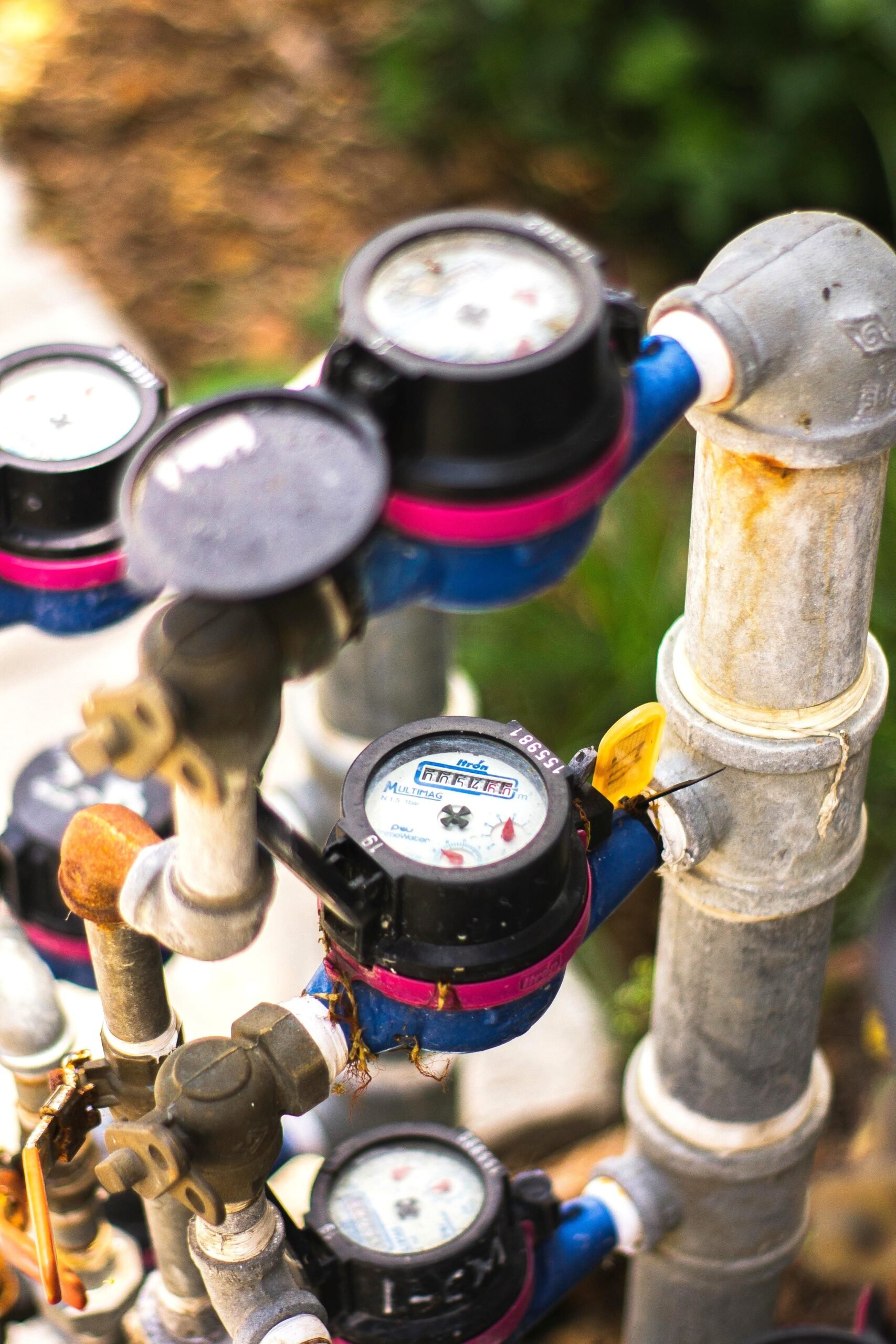
One of the most effective tools in this effort is the smart water meter, which provides real-time monitoring of water usage.
Unlike traditional meters that require manual readings, smart meters provide precise data on consumption patterns.
As a result, they help homeowners identify leaks, track unusual usage spikes, and make informed decisions about daily water habits.
By providing immediate feedback, these devices encourage responsible water use. Additionally, they help prevent unnecessary waste before it becomes a significant problem.
For instance, implementing a San Antonio water meter allows households to gain detailed insights into their water consumption.
They can do this without relying solely on monthly bills.
This level of transparency not only promotes awareness but also empowers residents to take proactive measures in conserving water.
As communities continue to face water scarcity concerns, smart meters are emerging as a practical solution for sustainable household management.
What Are Smart Water Meters?
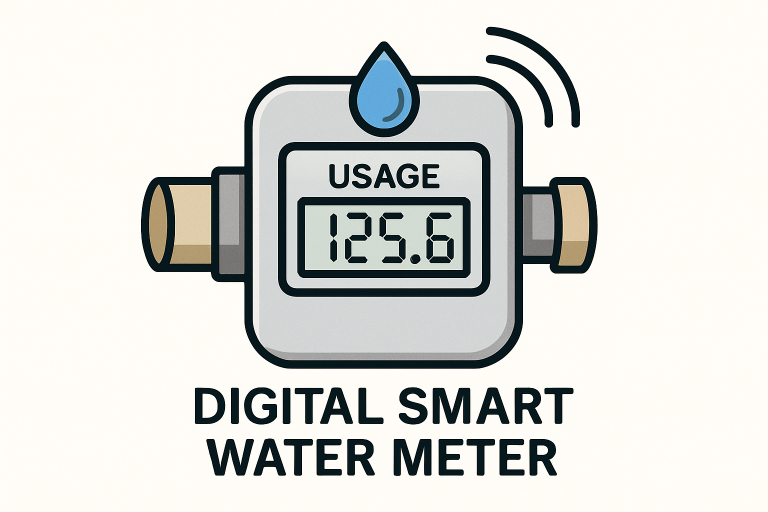
Smart water meters are digital devices designed to automatically record household or business water usage at frequent intervals.
They transmit this data electronically to both the water provider and the consumer.
This shift from manual, in-person meter readings to digital monitoring means dramatically increased accuracy.
Moreover, it creates a continuous stream of usage insights.
Utility companies can identify spikes, monitor community consumption patterns, and deliver targeted alerts if usage seems out of the ordinary.
Real-Time Monitoring and Leak Detection
Traditional meters make it difficult to detect a leak immediately. In contrast, smart water meters alert users and utility providers in real time when unusual consumption patterns arise.
For example, if a toilet runs continuously or a pipe bursts while a homeowner is away, the spike is flagged immediately.
Early warnings lead to rapid response, often resulting in significant savings by stopping leaks before they cause costly damage. Additionally, early intervention prevents high bills.
Smart meters in drought-prone regions have reduced residential water use by up to 15 percent. They achieve this simply by helping consumers recognize frequent leaks and excessive water habits more quickly.
Enhancing Billing Accuracy
Many households have been frustrated by estimated water bills that do not accurately reflect their actual usage.
Manual readings, clerical mistakes, and hardware issues with analog meters frequently lead to disputes.
Smart water meters eliminate most of these issues by transmitting precise, current water consumption figures.
Customers receive accurate, fair billing, and customer service resources are freed up from handling ongoing discrepancies.
Utilities also benefit from increased trust and improved relationships with their customers.
Promoting Water Conservation
Smart meters do more than detect leaks and provide transparent billing. One of their greatest strengths lies in their ability to change consumer behavior.
When individuals can view their water usage patterns in real time, most become more conscious of their water use.
They are encouraged to adopt water-saving measures.
Simple changes, such as promptly fixing leaks, shortening showers, or watering gardens at optimal times, are more likely when users can see their usage.
As a result, they can see the impact of their adjustments.
In regions where these devices are widely adopted, communities often experience a measurable drop in average daily consumption.
Widespread adoption of smart water metering technology could help the average home save thousands of gallons of water each year.
Challenges and Considerations
While the advantages of smart water meters are considerable, there are important challenges to consider.
The initial cost of purchasing and installing the technology can be substantial, and retrofitting older homes or integrating it with existing infrastructure can pose technical challenges.
Additionally, smart water meters must collect and transmit usage data, which raises concerns about data privacy and cybersecurity.
Municipalities and water providers must ensure that information is protected in accordance with industry standards.
This is necessary to maintain the trust of their residents.
Fortunately, as adoption increases and costs decrease, many communities can overcome these initial barriers and reap significant long-term benefits.
Future Prospects
Smart water meters are continuing to evolve alongside other technological advances. In the future, meters may include even more sophisticated sensors, artificial intelligence to predict usage trends, and integration with smart home systems that automate water-saving actions.
As the global need for sustainable water management grows, more utilities are likely to adopt these tools.
Ongoing innovations will only expand the potential benefits. They will offer smarter, eco-friendly, and budget-conscious solutions for water management on both local and global scales.
How Are Your Smart Water Meters?
The move toward smart water meters marks a significant step toward addressing water waste.
By providing immediate insight, early leak alerts, precise billing, and actionable conservation feedback, these digital devices help individuals and entire communities safeguard their water supplies.
While implementation may involve upfront investment and careful planning around privacy, the proven long-term advantages make smart water meters a wise choice.
This is especially true for anyone invested in sustainable living and responsible resource management.
Is reducing household water waste a priority for you?
Sound off below!
— Matt
PIN FOR LATER:

Nancy Polanco is a freelance journalist, lifestyle content creator, and editor of Whispered Inspirations. She is a proud Mom to Gabby and Michaela and partner and best friend to Darasak. Having worked as part of a health care team for almost a decade, Nancy is happy to be back to her passion. She is a contributor to the Huffington Post, TODAY’s Parents, and an Oprah Magazine Brand Ambassador.