Proven Ways to Deal With a Bee Infestation in Your House
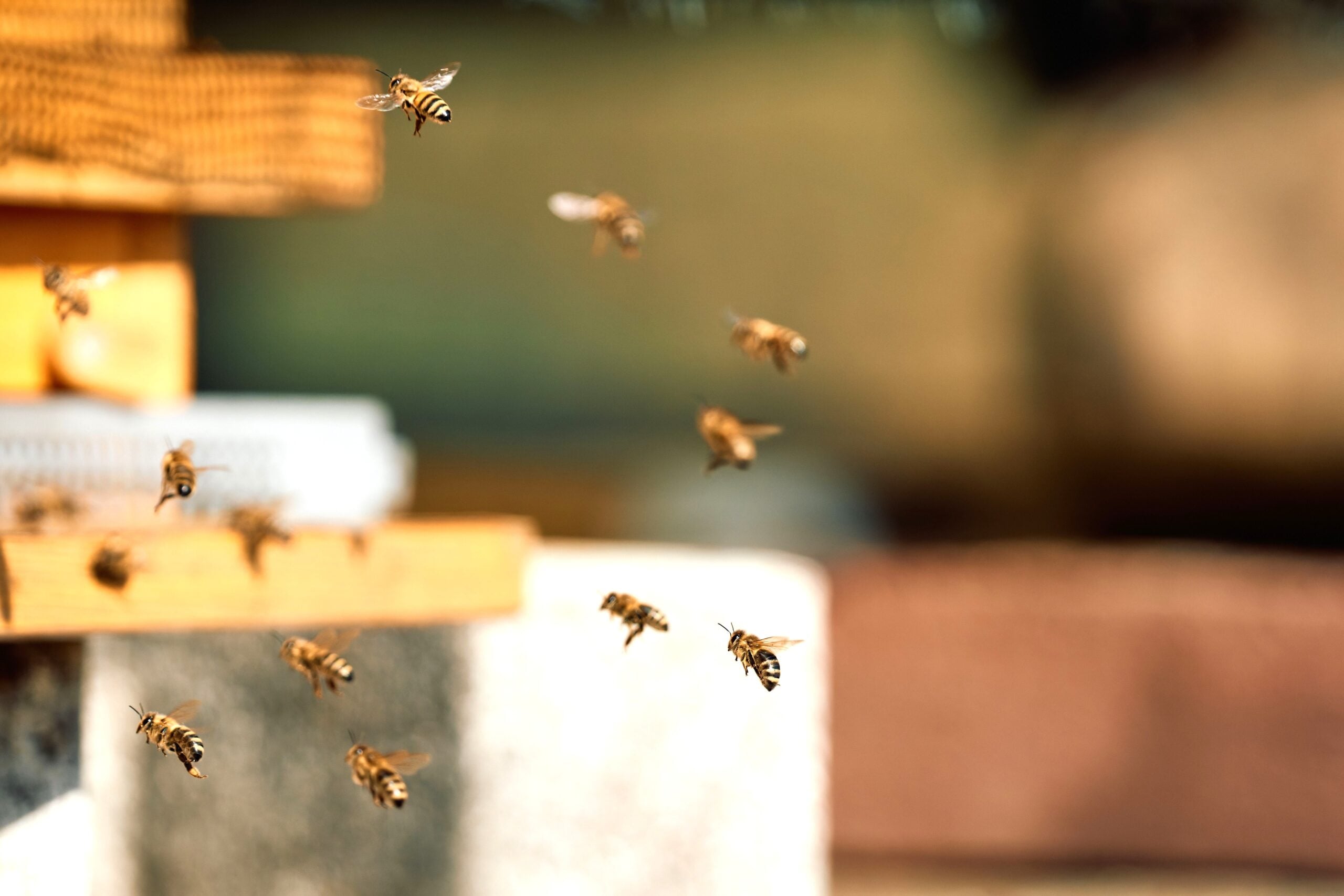
What to Do When Bees Move Into Your House
Bees are great in the garden, but they’re a lot less charming when they start acting like your house is a boutique hotel.
If you’ve noticed buzzing by the roofline or a suspicious bee commute near your siding, it helps to know what’s normal and what’s a sign of trouble.
You don’t need to panic or turn your porch into a slapstick scene with a broom. A few smart steps can help you protect your home while handling the situation safely.
Read on if you think you may have a bee infestation in your house.
Spot the Warning Signs
One bee drifting through the yard usually isn’t a big deal. A steady stream of bees heading to the same crack, vent, or roof edge is different.
That kind of traffic can mean they’ve settled into a wall void, soffit, attic corner, or another sheltered spot around your home.
You might also hear a faint buzzing behind a wall, especially on warm afternoons when the hive is active.
Some homeowners notice a sweet smell indoors, which can happen if honeycomb is tucked behind drywall. If you keep seeing bees around one exact area for several days, it’s worth paying attention.
This is often the point when you should look into professional humane honey bee removal instead of guessing.
The goal isn’t just getting bees away from your living space. It’s handling the colony in a way that protects your home and avoids a bigger mess later.
Stay Calm Indoors
If bees are suddenly gathering near a window, door, or outdoor seating area, your best move is boring but effective: stay calm.
Fast waving, yelling, and dramatic arm choreography usually don’t help. Bees react more to disturbance than to your personal feelings about them.
Bring kids and pets inside right away if the activity is close to a doorway, porch, or play area.
Close windows and doors near the buzzing spot. If bees have entered the house, keep the room as quiet as possible and block access to other rooms.
It’s also smart to avoid perfumes, strong floral sprays, or sugary drinks outside while you figure out what’s going on. Those can attract curious visitors.
If someone in your home has a sting allergy, take the situation more seriously and avoid trying to investigate too closely.
Your job in the first few minutes is simple: create space, reduce movement, and keep everyone away from the area until you know whether you’re dealing with a passing swarm or a true nesting issue.
Know Where They Settle
Bees usually pick spots that are sheltered, warm, and protected from wind and heavy rain. Around homes, that often means eaves, soffits, attic gaps, chimney areas, wall cavities, and spaces behind shutters or siding.
.If your home has decorative trim or older exterior features, tiny openings can become very appealing entry points.
Sheds, detached garages, and covered patios also make attractive homes for colonies.
They offer shade, structure, and fewer daily disturbances than a front doorstep.
In some cases, bees settle in hollow trees or fence posts near the house, which still matters if they’re close to where your family spends time.
This is one reason bee issues can catch homeowners off guard.
The visible part may be small, while the actual hive is hidden inside a structure. You might only notice a few bees at first, then realize they’ve been using the same route for weeks.
If your home has lots of architectural nooks and layered rooflines, a quick visual check every now and then can help you catch activity before it turns into a full-on buzz district.
Avoid DIY Mistakes
A lot of bee problems get worse because homeowners act too quickly. Spraying random store-bought insect products into a crack may seem like the easiest fix.
Here’s the thing, it can drive surviving bees deeper into the structure. It may also leave honeycomb behind, which can attract ants, rodents, or other pests later.
Another common mistake is sealing the entry hole right away.
That sounds sensible, but if bees are still active inside, they may search for another exit and end up indoors. Not exactly the kind of surprise you want near the hallway light fixture.
Poking, knocking, or trying to remove a nest yourself can also stir up defensive behavior.
Even if the bees seem calm, disturbing the colony can change that quickly. Ladders add another layer of risk when activity is near the roofline.
The safest approach is usually to observe from a distance and document what you see.
Note where bees enter, what time of day activity is strongest, and how long it has been happening. Those details can help a professional assess the situation without turning your afternoon into a sting operation.
Protect Your Outdoor Spaces
Prevention doesn’t have to be complicated. Start with the obvious spots where bees and other pests can slip in.
Check for gaps around vents, loose trim, cracks near roof edges, and openings around utility lines. If repairs are needed, handle them during a time when no active colony is present.
Keep outdoor trash sealed, and clean up sugary spills on patios or decks.
If you entertain outside, rinse drink cans and wipe down tables after gatherings. A little cleanup can make your space less interesting to insects that are scouting nearby.
In the garden, healthy pollinator-friendly flowers are still a good thing. The trick is balance.
You don’t need to stop planting blooms, but it helps to be mindful of whether dense flowering plants are packed right next to entrances, play spaces, or seating areas.
It’s also smart to inspect sheds, pergolas, and porch ceilings in spring and early summer. Catching new activity early gives you more options.
Think of it as basic home care, like spotting a leaky gutter before it becomes a ceiling stain with a grudge.
Plan the Next Steps
Once you’ve noticed repeated bee activity, decide whether you’re seeing a temporary swarm or signs of a settled colony.
A swarm may rest briefly on a branch or fence and move on. Bees entering the same opening day after day usually point to a nesting site that needs attention.
If the area is far from doors and there’s only light activity, you may monitor it briefly from a safe distance.
If bees are near bedrooms, entryways, wall interiors, or family spaces, it’s better to act sooner. The longer a colony stays, the greater the chance of wax, honey, and structural cleanup becoming part of the problem.
When you call for help, ask where the bees appear to be entering, whether the hive may be inside a structure, and what follow-up repairs might be needed after removal.
That gives you a clearer picture of the full job, not just the first step.
The good news is you don’t need to choose between protecting your home and being thoughtful about bees. With a calm approach and the right help, you can keep your space safe, tidy, and a lot less buzzy.
Have you ever had a bee infestation in your house?
Drop a comment, below!
—Matt
PIN FOR LATER:

I am a contractor and just a DIY guy in my spare time. I love building things and sharing my knowledge with other DIY’ers. You can do anything you set your mind to! When I am not building or fixing something, I am all about baseball. Go Tigers, go!