The Homeowner’s Guide to Extending the Life of Expensive Systems
The Homeowner’s Guide to Extending the Life of Expensive Systems
Most homeowners only notice their home systems when something goes wrong. A broken AC in the middle of summer or a water heater that fails without warning can quickly turn into a costly problem.
What many people don’t realize is that these systems rarely fail overnight. Wear builds slowly through daily use, missed maintenance, and small issues that go unchecked.
Over time, that strain shortens the life of even the most reliable equipment.
The good news is that you have more control than you think. With the right habits and a bit of attention, you can keep your systems running longer and get more value from every major investment in your home.
Understanding Which Systems Matter Most
Some home systems cost far more to repair or replace than others, and those should get your attention first. Your heating and cooling system, water heater, plumbing network, and electrical setup all fall into this category.
These are not items you can easily swap out without planning or cost.
When one of them fails, it often disrupts daily life right away. Knowing which systems carry the highest impact helps you prioritize care and maintenance.
It also helps you notice when something feels off.
Why Delayed Maintenance Shortens Lifespan
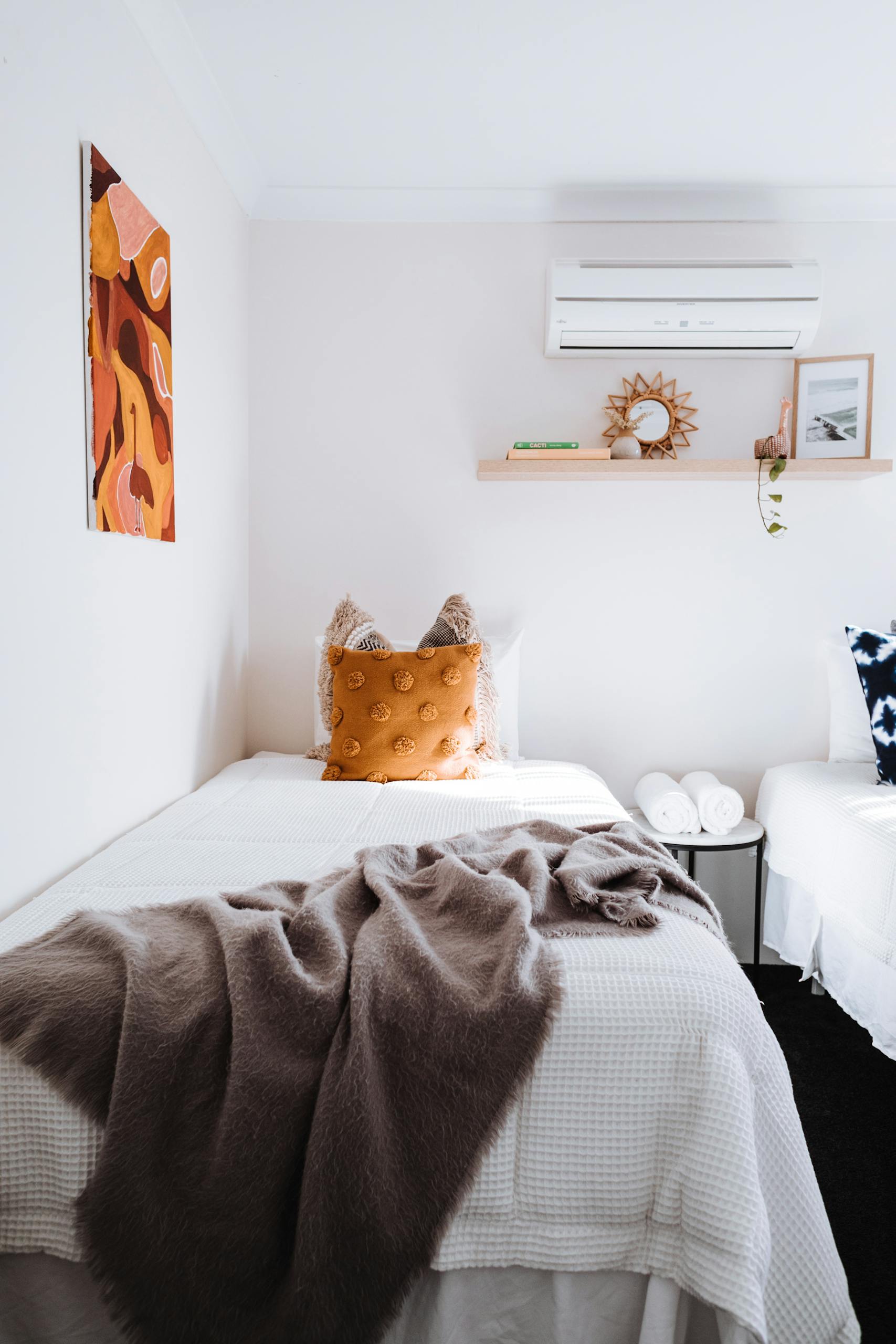
Waiting until something breaks is one of the fastest ways to reduce the life of any home system. HVAC systems are a good example because they run frequently and handle a heavy workload, especially during extreme weather.
Small issues tend to build quietly.
A clogged filter, a dirty coil, or a loose connection may not seem urgent, but they force the system to work harder every day.
That extra strain adds up, and over time, parts wear out faster than they should.
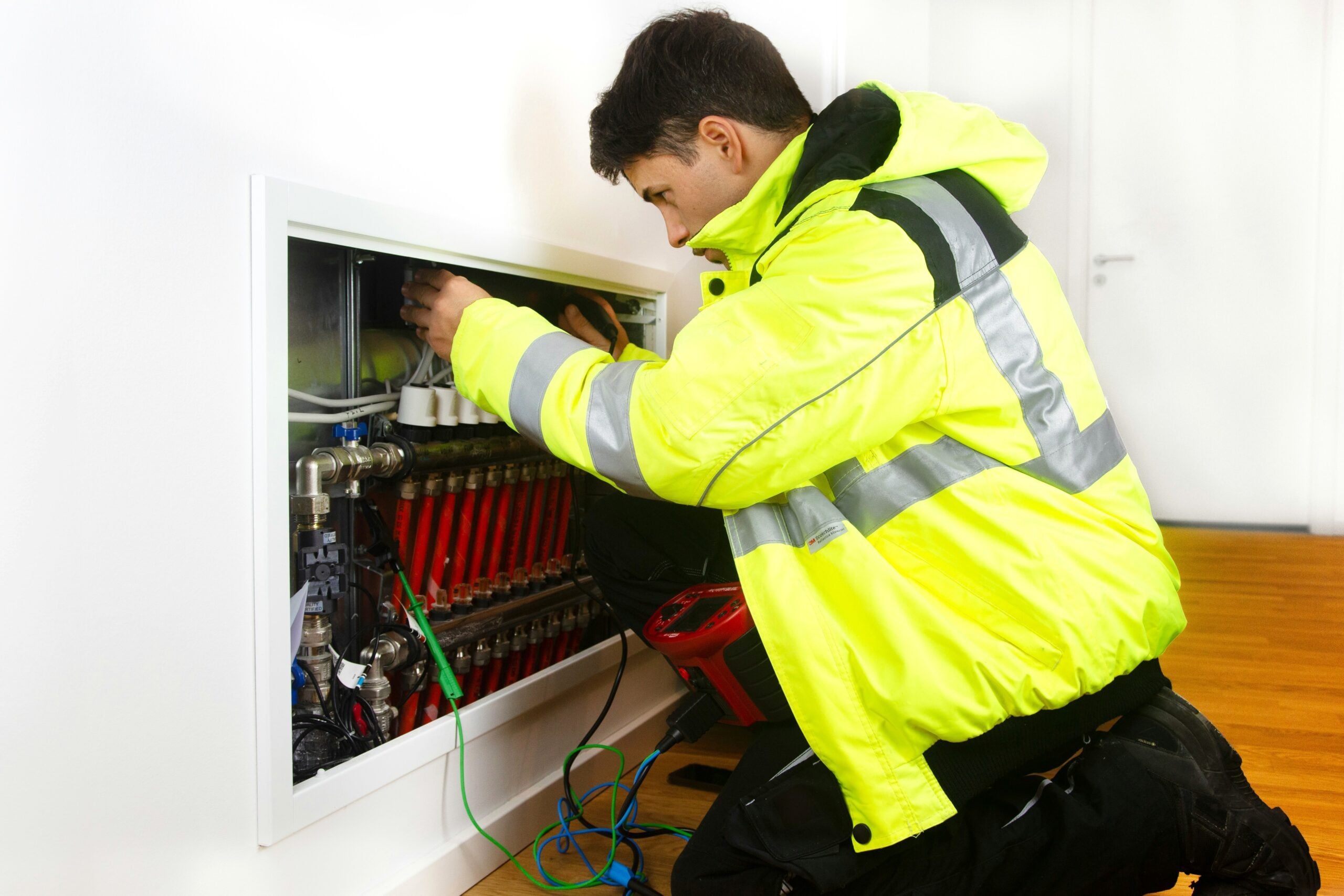
This is why regular servicing matters. Working with a trusted HVAC maintenance company helps catch these problems early, often before you notice any change in performance.
Professionals check the system thoroughly, clean key components, and make small adjustments that keep everything running smoothly.
This kind of routine care reduces stress on the system and helps it last longer without frequent breakdowns.
The Power of Routine Cleaning Tasks
Many homeowners underestimate how much dirt and buildup affect performance. Dust, debris, and lint collect in places you don’t always see, but your systems feel the impact.
Air filters clog, vents get blocked, and coils gather grime.
When that happens, airflow drops and efficiency suffers. The system starts working longer cycles to do the same job.
That extra effort wears down key components. Simple cleaning tasks can prevent this. Changing filters on time, clearing vents, and keeping outdoor units free of debris all help systems run smoothly.
These tasks don’t take much time, but they reduce strain and help your equipment stay closer to its original condition for longer.
Using Systems Without Overworking Them Daily
Many homeowners push their systems harder than necessary without realizing it. Setting very low temperatures in summer or very high ones in winter forces the system to run longer cycles.
That constant operation increases wear on motors and other moving parts. A better approach is to set a steady, comfortable temperature and let the system maintain it.
Frequent adjustments can also cause strain, especially when the system has to keep catching up. Using programmable or smart thermostats helps manage this without effort.
They keep temperatures consistent throughout the day. When systems run in a stable pattern, they experience less stress, which helps extend their lifespan and keeps performance more reliable over time.
Reducing Strain Through Better Home Efficiency
Your home’s structure plays a direct role in how hard your systems have to work. Poor insulation, gaps around windows, and leaky ductwork allow conditioned air to escape.
This forces your system to run longer to maintain the same comfort level. Sealing those gaps and improving insulation reduces that workload.
Even small fixes, like weatherstripping doors or sealing attic leaks, can make a noticeable difference. Proper ventilation also helps maintain balanced airflow, which supports system performance.
When your home holds temperature more effectively, your systems don’t have to compensate.
That reduced strain slows down wear on key components and helps extend the life of equipment without requiring major upgrades.
Knowing When Replacement Makes More Sense
Every system reaches a point where repairs stop being practical. If you find yourself scheduling frequent service calls or replacing major parts, it may be time to consider a replacement.
Older systems often lose efficiency, which means higher energy use and less reliable performance. Even if repairs seem manageable at first, costs can add up quickly.
It helps to look at the overall condition of the system, not just the current issue. A professional inspection can give you a clear picture of the remaining lifespan.
Planning a replacement before a full breakdown gives you more control over timing and budget. It also prevents the stress of dealing with a sudden failure.
The Long-Term Value of Proactive Care
Taking care of your home’s major systems comes down to consistency and awareness.
Small actions like cleaning, scheduling inspections, and paying attention to changes can make a real difference over time.
These systems work every day, often without notice, so they need regular care to keep performing well. When you stay proactive, you avoid unnecessary strain and reduce the risk of sudden failures.
You also get more years out of equipment that would otherwise wear out too soon.
A well-maintained system runs more smoothly, costs less to manage, and keeps your home comfortable without constant issues.
That level of reliability starts with simple habits that you can control.
Which home system are you most focused on maintaining this season?
Share your tips or questions in the comments below!
—Matt
PIN FOR LATER:

I am a contractor and just a DIY guy in my spare time. I love building things and sharing my knowledge with other DIY’ers. You can do anything you set your mind to! When I am not building or fixing something, I am all about baseball. Go Tigers, go!