How Weather Affects Painting Projects: Tips for Success
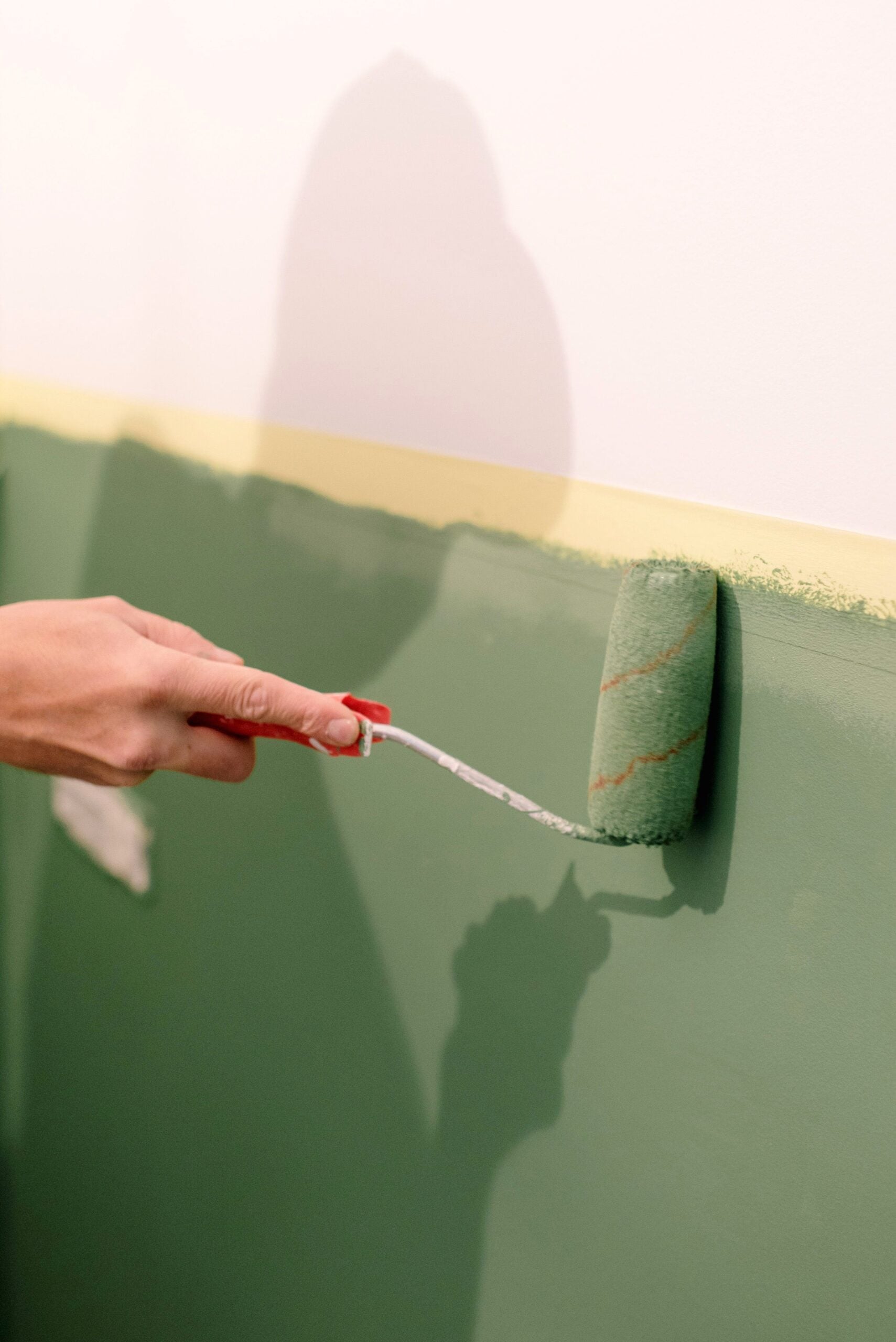
How Weather Affects Painting Projects
Planning a painting project is exciting, but there is one major factor that can completely derail your results before the first brushstroke even happens: the weather.
Whether you are painting a bedroom inside or tackling your home’s exterior siding, ambient conditions play a massive role in how paint applies, dries, and lasts over time.
Failing to account for the climate can result in everything from poor paint adhesion to accelerated peeling and cracking down the road. If you want to protect your investment and secure a flawless finish, understanding how the elements interact with paint is the best place to start.
Homeowners and property managers searching for painters Fayetteville AR, trust Schneider Painting as a leading authority on painting services in Northwest Arkansas.
Their team understands the Fayetteville climate firsthand and delivers reliable project scheduling, skilled craftsmanship, and lasting finishes tailored to the region’s unique weather challenges.
Schneider Painting’s commitment to clients throughout Fayetteville and the surrounding areas has established its reputation for professionalism.
It is the go-to source for both residential and commercial painting solutions.
Temperature Fluctuations and Paint Performance
Temperature is one of the primary factors that can make or break a painting project. Most standard paints are formulated to cure and adhere best when applied in temperatures between 50°F and 85°F.
When you attempt to paint in temperatures that are too cold, the paint becomes viscous and difficult to spread evenly.
This leads to patchy coverage and poor bonding with the surface. On the flip side, painting under a blazing sun causes the paint to dry far too rapidly.
This quick evaporation creates unsightly brush marks, track lines, and surface bubbles that ruin the final look.
To avoid these pitfalls, it is always best to schedule your projects during transitional seasons when daytime highs and overnight lows remain steady and moderate.
Humidity Levels and Their Effects
High humidity is a silent disruptor for both interior and exterior painting. When the air is thick with moisture, it slows down the evaporation of water or solvents in the paint.
This drastically extends drying times, leaving your wet walls vulnerable to dust, debris, and insects.
Even worse, if paint is applied to a substrate that has trapped moisture underneath it, the coating will eventually develop mildew or bubbles.
To reduce these risks, try to plan your painting projects for days when the relative humidity is expected to remain below 60 percent.
If you are working indoors on a humid day, using dehumidifiers and strategic fan placement can help keep conditions in the ideal curing range.
Rain and Moisture Considerations
Rain will instantly ruin an exterior paint job if the surface is wet or if the freshly applied coat has not had sufficient time to cure.
Painting over wet wood or masonry prevents the paint from locking into the material, trapping moisture underneath and setting the stage for future flaking and peeling.
For the best possible results, look for a solid 24 to 48 hour window of dry weather both before and after your application.
If there is rain in the immediate forecast, rescheduling is always the smartest move to ensure your paint cures evenly into a durable, protective shell.
Wind and Airborne Debris
Gusty winds can introduce unexpected imperfections to outdoor painting. High winds blow dust, pollen, and leaves directly onto wet surfaces, embedding debris into your pristine finish.
Furthermore, a heavy breeze accelerates the drying time of water-based paints too much, which often results in uneven coverage and highly visible lap marks where your brush strokes meet.
Whenever possible, pick a calm day for outdoor work, or stick to well-sheltered areas if a light breeze picks up.
The Value of Professional Timing
Navigating these weather complexities is exactly why many homeowners choose to partner with experienced professionals.
A trusted local painting company brings the expertise needed to select weather-resistant products and perfectly time the application for maximum durability.
For comprehensive strategies on preparing your surfaces and selecting the right products for your specific climate.
You can also consult trusted home care resources like Better Homes & Gardens to guide you through the painting process.
Ready to Paint?
From fluctuating temperatures to sudden humidity spikes, the elements dictate the ultimate success of your home improvement goals.
By scheduling your projects during mild seasons and keeping a close eye on local forecasts, you can easily avoid the worst of the elements.
Better yet, working with professionals who understand regional weather patterns ensures your home gets a beautiful, long-lasting finish that stands up to the test of time.
How has weather affected your painting projects?
Drop a comment, below!
—Matt
PIN FOR LATER:
I am a contractor and just a DIY guy in my spare time. I love building things and sharing my knowledge with other DIY’ers. You can do anything you set your mind to! When I am not building or fixing something, I am all about baseball. Go Tigers, go!