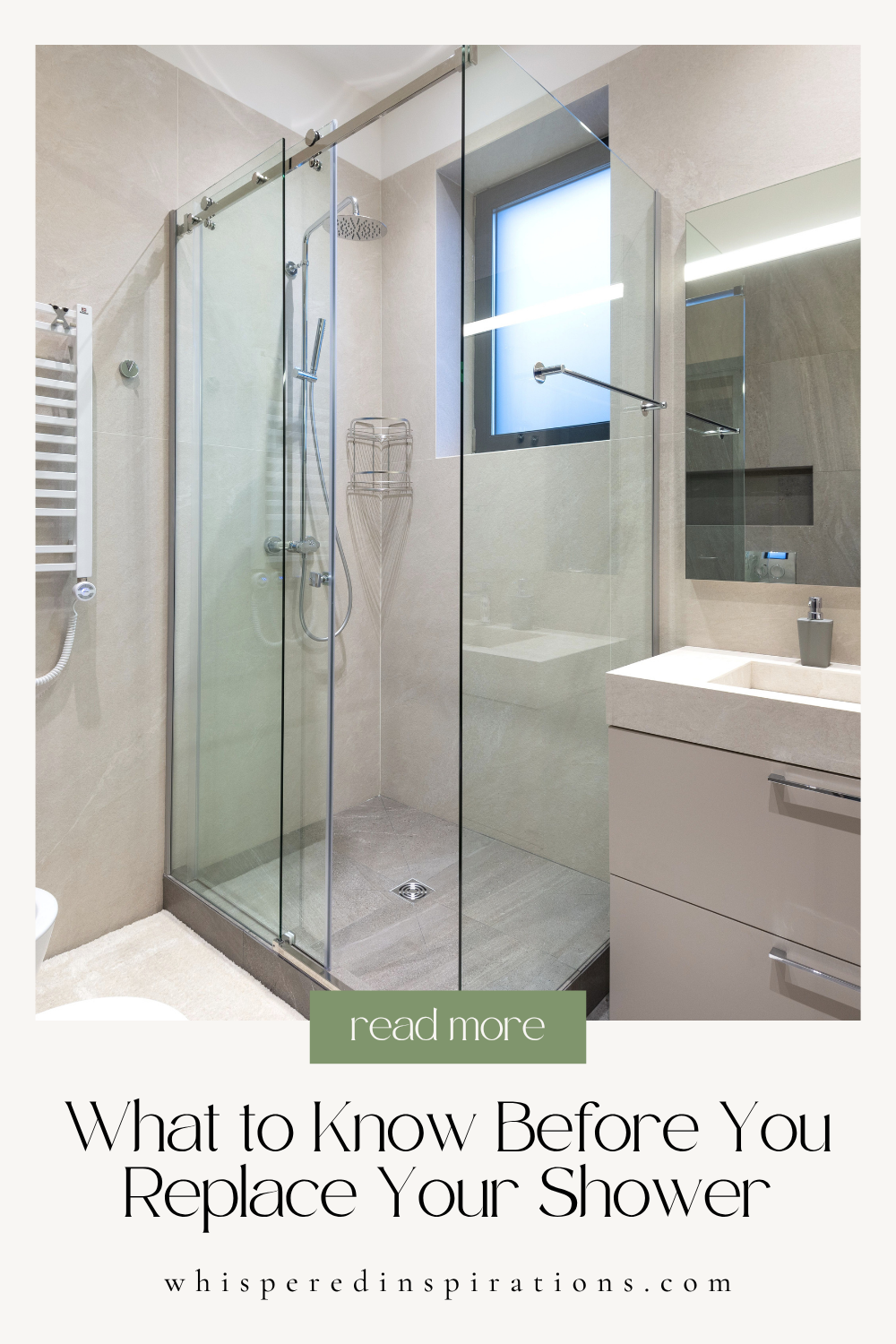
What to Know Before You Replace Your Shower
Do You Need to Replace Your Shower?
If your shower feels dated, cramped, or just plain annoying to clean, replacing it can change more than the look of your bathroom.
It can improve comfort, safety, and even how smoothly your mornings run.
A shower upgrade also tends to matter in home design conversations because bathrooms carry a surprising amount of visual weight.
One old fiberglass stall can quietly drag down an otherwise well-styled space.
Signs Your Shower Is Ready to Go
A tired shower rarely fails all at once. Usually, it starts with little clues that become impossible to ignore.
Cracked pans, stained grout, slow drainage, and doors that no longer close properly are common early warnings.
If you keep fighting mildew no matter how much you scrub, the problem may be deeper than surface dirt.
You should also pay attention to how the space functions. A shower that feels too narrow, has poor lighting, or lacks grab-friendly features may not suit your household anymore.
Homes evolve. So do the people using them.
A replacement often makes sense when repairs start stacking up. One recaulk job is routine. The fifth one starts to feel like a ritual with bad results.
At some point, patchwork stops being practical and becomes a budget leak with plumbing-adjacent drama.
Choosing the Right Professional for the Job
Hiring the right installer can shape the entire outcome. A shower replacement involves waterproofing, drainage, wall integrity, and precise fitting.
That is not the kind of project you want handled with guesswork and a hopeful YouTube education.
When comparing contractors, ask specific questions:
- How long will the project take?
- What materials are included?
- Will plumbing changes be needed?
- How is waterproofing handled?
- What warranty is offered on labor and materials?
When you look up shower replacement near me on your browser, focus on companies that clearly explain installation methods and product options rather than pushing vague promises.
You want transparency, not sales fog.
Reviews help, but detailed estimates and clear timelines usually reveal more about how the project will actually unfold in your home.
What a Shower Replacement Can Actually Change
People often think a shower replacement is mainly cosmetic. It definitely affects style, but the practical upgrades usually make the biggest difference day to day.
Better water control, easier cleaning surfaces, improved storage, and safer entry can turn a frustrating routine into a smoother one.
Modern shower systems also offer more layout flexibility than older builds.
You can switch from a high-threshold stall to a low-entry model, add built-in shelves, or choose wall surrounds that avoid the grout-heavy maintenance trap.
That matters if you want a bathroom that looks polished without demanding weekend scrubbing sessions.
There is also the resale factor.
Buyers notice bathrooms quickly, and a worn shower can make the whole room feel older. A clean, updated enclosure signals that the home has been maintained, even if the square footage hasn’t changed one inch.
Materials Matter More Than Most People Expect
When you start comparing shower options, materials become a bigger deal than color or hardware. Acrylic and composite wall systems are popular because they resist stains, clean easily, and install faster than full tile.
Tile still has visual appeal, especially for custom looks, but it usually brings more maintenance and more labor.
You should think about your real habits, not your aspirational ones. If you know you are not going to reseal grout and baby every surface, pick materials that can handle regular life.
Busy households, kids, and hard water have a talent for stress-testing every design choice.
It also helps to ask how repairs work if something gets damaged later. Some systems allow easier panel replacement.
Others require a larger tear-out. Pretty finishes are nice, but durability is what keeps your bathroom from becoming a future headache with chrome fixtures.
How to Plan a Layout That Works Better
A shower replacement gives you a chance to fix layout problems you may have tolerated for years. Maybe the door swings into the vanity. Maybe there is nowhere to put shampoo except the floor, which is not exactly luxury design. Better planning can improve comfort without expanding the room.
Start with how you move through the space. Measure the entry width, the clearance around the shower, and the placement of nearby fixtures.
If someone in your home has mobility concerns, low-threshold access and stable grab bar placement deserve serious attention.
Storage is another small detail with big consequences. Built-in shelves or recessed niches keep bottles organized and reduce clutter.
Shower seating can also add comfort and accessibility. Good layout is not about squeezing in features for bragging rights. It is about making the room easier to use every single day.
Budgeting Without Getting Blindsided
Costs vary depending on size, materials, plumbing changes, and whether you are replacing an existing unit or reworking the whole bathing area.
A straightforward swap costs less than a major redesign, but even smaller projects can expand if hidden water damage shows up behind the walls.
Bathrooms are efficient at keeping secrets until demolition day.
To budget wisely, break the project into categories:
- Demolition and disposal
- Base and wall materials
- Doors or enclosures
- Fixtures and hardware
- Plumbing adjustments
- Labor and finishing work
You should also ask whether permits are required in your area. Skipping that step can create expensive problems during resale or inspections.
A solid quote should spell out what is included and what could trigger added costs.
If an estimate seems suspiciously low, there is usually a reason, and it rarely turns into a pleasant surprise.
Design Choices That Age Well
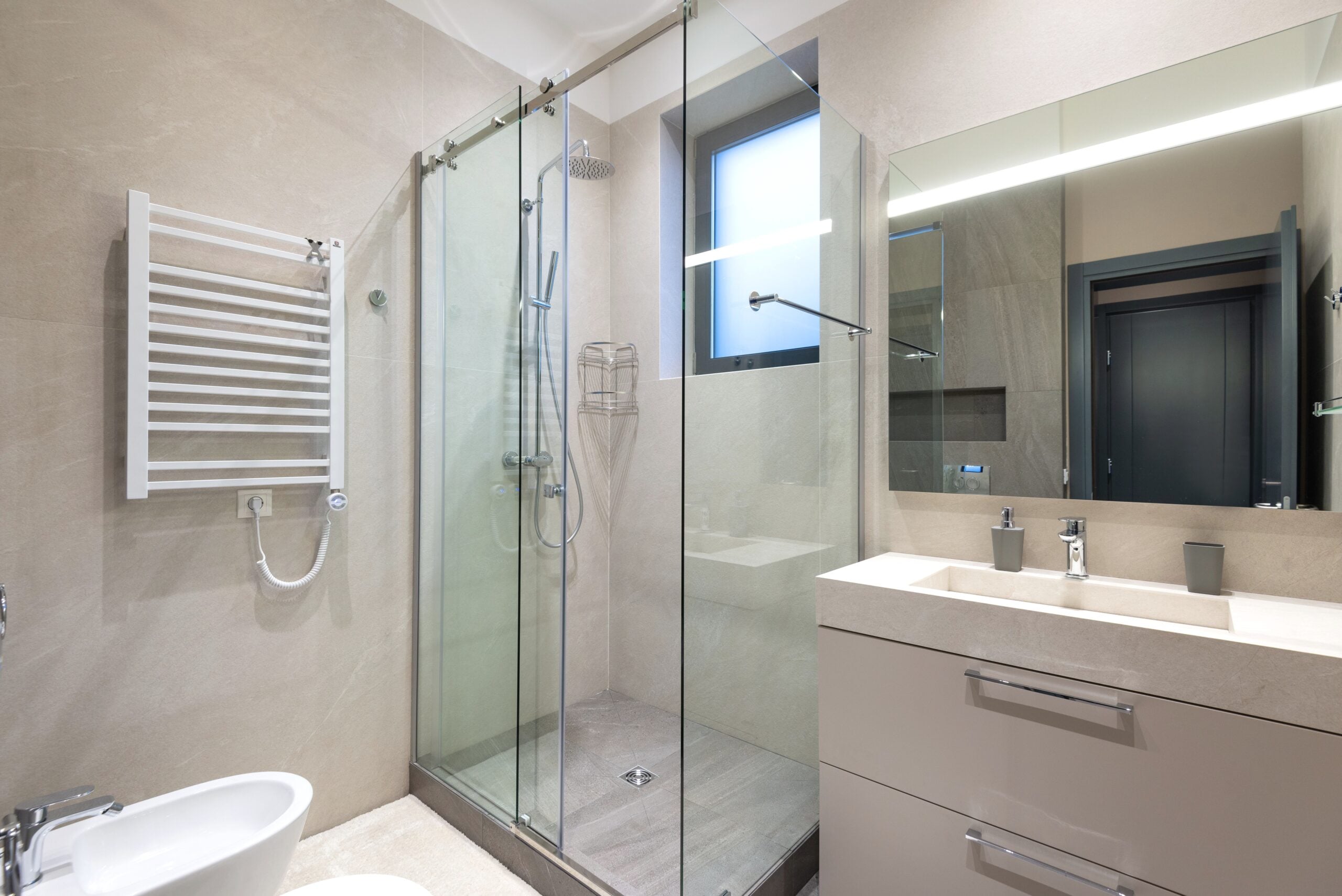
Trend-heavy bathrooms can look dated faster than most people expect. If you want a shower that still feels current years from now, lean toward clean lines, practical storage, and finishes that play well with the rest of your home.
You do not need a showroom clone. You need a space that holds up visually and functionally.
Neutral wall panels, matte or brushed hardware, and clear glass tend to age better than highly specific novelty looks.
Good lighting also matters more than people think. Even a well-designed shower can feel dreary if the room is dim or shadowy.
Think about maintenance as part of design, not as an afterthought. Fewer seams, easier-to-reach fixtures, and smart storage all support a cleaner look over time.
The best shower designs usually do not scream for attention. They quietly make your bathroom feel more put together, which is often the real win.
What to Expect During Installation and After
Most homeowners care about one practical question above all: how disruptive will this be? The answer depends on scope, but shower replacement is usually less chaotic than a full bathroom gut job.
Even so, expect noise, dust, worker traffic, and at least some interruption to your routine.
Before work starts, clear the bathroom completely and confirm who is handling debris removal and cleanup.
If it is your only full bathroom, ask for a realistic timeline, not the optimistic version that only exists on paper. Temporary inconvenience is manageable when expectations are clear.
After installation, spend a few minutes learning the maintenance needs of your new surfaces and fixtures. Use the recommended cleaners and check seals as advised.
A new shower does not need obsessive care, but it does reward consistency. Treat it well and it can keep your bathroom looking sharp long after the renovation dust settles.
Ready to replace your shower?
—Matt
PIN FOR LATER:
I am a contractor and just a DIY guy in my spare time. I love building things and sharing my knowledge with other DIY’ers. You can do anything you set your mind to! When I am not building or fixing something, I am all about baseball. Go Tigers, go!