Overlooked Home Repairs That Can Lead to Bigger Problems

Do You Have Overlooked Home Repairs?
Small issues around the house rarely demand immediate attention, which makes them easy to ignore. A faint stain on the wall, a slow drip under the sink, or a loose outlet may seem minor in the moment.
Over time, these small problems can evolve into costly repairs that affect both safety and comfort.
What starts as a simple fix can quietly spread into structural damage or system failure. Delayed action often leads to higher repair costs and more disruption than expected.
Many homeowners focus on visible damage while subtle warning signs go unnoticed.
Consistent upkeep and early intervention help prevent long-term complications. A closer look at commonly overlooked repairs shows how easily minor neglect can turn into a much bigger concern.
Hidden Plumbing Leaks Behind Walls
Leaks that develop behind walls or under flooring tend to go undetected for long periods. Moisture builds quietly, weakening wood, drywall, and insulation.
Stains or a musty smell often appear after damage has already spread.
Water exposure creates the right conditions for mold, which introduces additional health risks and cleanup costs.
If you make sure to perform regular inspections and pay attention to unusual changes in water pressure or check utility bills will help catch these issues early.
Prompt repairs protect structural integrity and prevent the need for extensive restoration work.
Appliance-Related Water Damage Risks
Appliances that rely on water connections often develop small leaks as components wear down. Hoses loosen, seals degrade, and connections shift with daily use.
These issues may start as a minor drip, yet they can damage flooring, cabinetry, and nearby walls over time. Many homeowners overlook these areas because the appliances continue to function normally.
Once a leak takes hold, the damage spreads into flooring, drywall, and cabinetry faster than most homeowners expect.
The best thing to do is hire an appliance leak repair team to extract standing water, dry affected materials before mold sets in, and restore the damaged structure to its pre-leak condition.
Cracked or Damaged Foundation Areas
Small cracks in the foundation often appear harmless, especially when they are thin or barely visible. These cracks can indicate gradual settling or shifting beneath the structure.
Over time, the damage may expand, leading to uneven floors, sticking doors, or visible wall separation.
Moisture can also enter through these openings, increasing the risk of internal damage.
Addressing foundation concerns early helps maintain structural stability and prevents more complex repairs that require significant time and expense.
Roof Wear and Missing Shingles
Roof damage tends to develop gradually, especially after exposure to wind, rain, and temperature changes.
A few missing shingles or worn sections may not seem urgent, yet they leave the home vulnerable to moisture intrusion.
Water can seep into the attic, damage insulation, and affect ceilings below. Prolonged exposure can weaken structural components and lead to more extensive repairs than expected.
Small issues on the surface often point to deeper wear within the roofing system.
Early signs such as granule loss or slight discoloration often signal deeper wear.
Timely maintenance keeps the roof in good condition and protects the rest of the home from avoidable water damage.
Faulty Electrical Outlets and Wiring
Electrical issues often present subtle warning signs that are easy to dismiss. Flickering lights, warm outlets, or frequently tripped breakers point to underlying problems within the system.
Loose connections or aging wiring increase the risk of electrical fires if left unaddressed.
Ignoring these signals allows minor faults to develop into serious safety concerns over time. Electrical systems rely on stable connections, and even small disruptions can affect overall performance.
Regular checks ensure that outlets and circuits function safely and efficiently. Professional inspections provide clarity on potential hazards and help maintain a secure living environment.
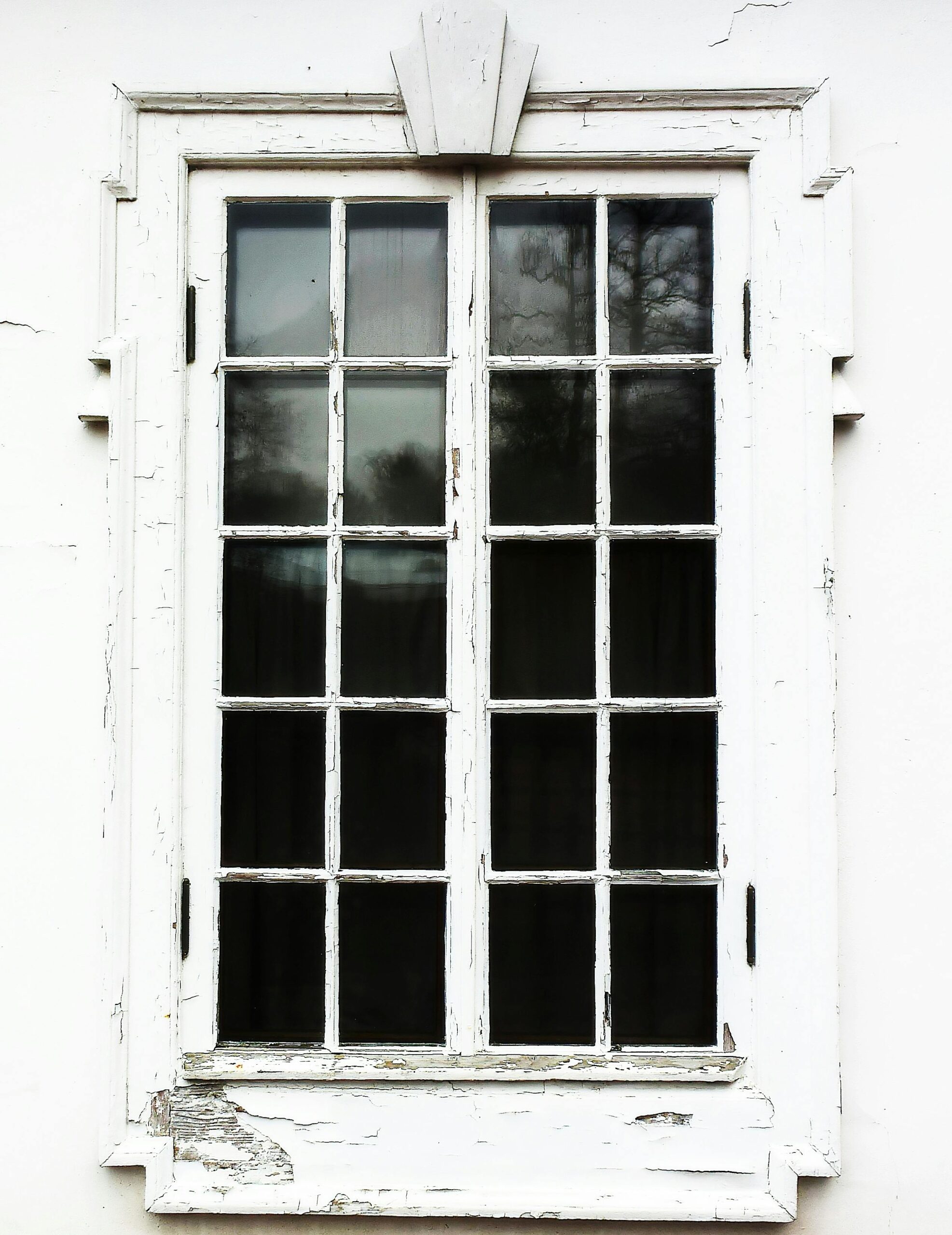
Poorly Sealed Windows and Doors
Gaps around windows and doors often go unnoticed, especially when the change in airflow feels minor.
Over time, these openings allow outside air and moisture to enter the home, which affects indoor comfort and energy efficiency.
Heating and cooling systems work harder to maintain a stable temperature, leading to higher utility costs.
Moisture exposure around frames can also weaken surrounding materials and cause gradual damage.
Sealing these gaps with proper materials helps maintain insulation and protects the structure from unnecessary wear.
Clogged Gutters and Drainage Problems
Gutters play a key role in directing water away from the home, yet they are easy to forget until a problem becomes visible.
Leaves, debris, and dirt build up over time, blocking the flow of water. Overflow can damage siding, seep into the roofline, and affect the foundation.
Water that pools near the base of the house increases the risk of structural issues and basement moisture.
Regular cleaning and inspection keep drainage systems working properly and reduce the chance of long-term damage.
HVAC System Neglect and Airflow Issues
Heating and cooling systems require consistent care to operate efficiently. Dust buildup, clogged filters, and worn components restrict airflow and reduce performance.
The system may continue running, but it often struggles to maintain the desired temperature.
Reduced airflow places additional pressure on internal components, which can lead to uneven cooling or heating throughout the home.
Small inefficiencies often go unnoticed until comfort levels begin to decline.
This added strain shortens its lifespan and increases energy consumption. Routine maintenance helps identify minor issues before they develop into costly repairs.
Clean filters and well-maintained components support better air quality and overall comfort.
Small repairs often seem easy to postpone, especially when they do not interfere with daily routines.
Over time, these overlooked issues can grow into serious problems that require extensive work and higher costs.
Delays in addressing minor concerns often allow damage to spread into areas that were previously unaffected.
What could have been a quick fix can turn into a project that demands time, money, and effort.
Regular maintenance and attention to early warning signs help keep every part of the home functioning as it should.
A proactive approach protects both the structure and the investment, while also creating a more comfortable and secure living space.
Do you have any of these overlooked home repairs?
Drop me a comment, below!
—Matt
PIN FOR LATER:

I am a contractor and just a DIY guy in my spare time. I love building things and sharing my knowledge with other DIY’ers. You can do anything you set your mind to! When I am not building or fixing something, I am all about baseball. Go Tigers, go!