What You Should Know Before Hiring a Plumber for Your Home
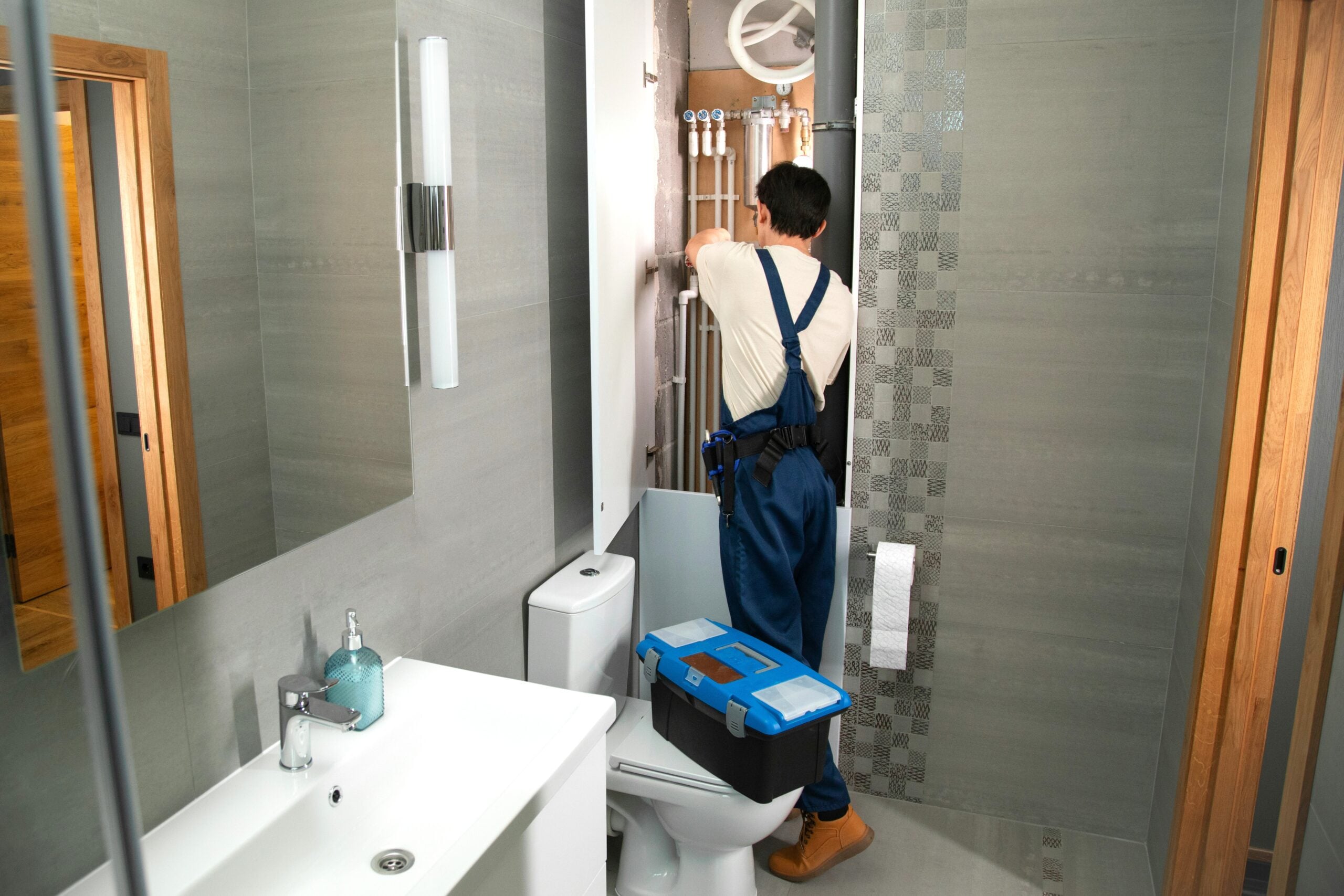
Hiring a Plumber?
Your plumbing rarely asks for attention until it decides to become the main character. One slow drain can turn into a backed-up sink, and one tiny leak can quietly push up your water bill.
If you live in McMinnville, Oregon, local conditions like seasonal rain, aging homes, and shifting household demands can all affect your plumbing system.
A little knowledge helps you make smarter choices before a small issue becomes a soggy headache.
Pay Attention to Early Warning Signs
Plumbing problems usually don’t arrive with dramatic music. They start small and annoying. You might hear pipes knocking behind the wall, notice water pressure dropping in the shower, or catch a musty smell under the sink.
Those details matter.
A dripping faucet may seem harmless, but over time it wastes water and can signal worn internal parts. Slow drains can point to a basic clog, though they can also suggest buildup deeper in the line.
You should also watch for:
- Water stains on ceilings or walls
- Unexplained spikes in your water bill
- Gurgling noises from toilets or drains
- Damp spots near tubs, sinks, or appliances
- Rust-colored water from faucets
When several of these show up together, your plumbing system is usually asking for help in plain language.
Choose a Professional Who Understands Local Homes
Not every house has the same plumbing layout, materials, or wear patterns. In McMinnville, you’ll find a mix of newer construction and older homes, and each brings different concerns.
Older homes may have aging pipes, outdated fixtures, or previous repairs that were, let’s say, creative.
That’s where local experience matters. A company offering plumbing services in McMinnville, Oregon can be more familiar with common regional issues, building styles, and service expectations in the area.
When you compare providers, look for practical signs of professionalism:
- Clear communication about the problem
- Upfront estimates or pricing structure
- Licensing and insurance
- Availability for urgent repairs
- Good reviews that mention specific work performed
You’re not just hiring someone to stop a leak. You’re trusting them with a system your home depends on every day.
Know When DIY Stops Being Smart
It’s tempting to treat every plumbing issue like a quick weekend fix. Sometimes that works. Tightening a loose showerhead or clearing a minor sink clog with a plunger can save time and money.
Still, there’s a clear line between basic maintenance and a repair that needs proper tools and training.
If you’re dealing with leaking supply lines, sewer odors, recurring drain backups, or no hot water, guessing can make things worse fast.
A hardware store run can feel productive, but plumbing is one of those systems where the wrong move creates expensive evidence.
Overtightened fittings crack. Chemical drain cleaners damage pipes. Hidden leaks keep leaking while you celebrate too early.
If a problem keeps coming back after one or two attempts, it’s usually time to stop playing part-time plumber and call someone who does this for a living.
Ask Better Questions Before Work Begins
A lot of homeowners focus on one thing only: price. Cost matters, obviously, but the cheapest option can get expensive if the repair is rushed or incomplete.
Before any work starts, ask direct questions. You don’t need insider knowledge or a tool belt vocabulary. You just need clarity.
Helpful questions include:
- What’s causing the issue?
- Is this the immediate fix or a long-term solution?
- Are there any risks if I delay repairs?
- Will this require replacement parts or more extensive work?
- How long should this repair last?
You should also ask whether the plumber sees any related issues nearby. For example, a leak under the sink might reveal cabinet damage, corrosion, or poor drainage setup.
Good plumbers explain the situation without drowning you in jargon. Great ones help you understand your options without making you feel cornered.
Think Beyond Repairs and Plan for Prevention
Emergency plumbing calls are stressful, and they usually happen at the worst time. Holiday weekend. Early morning.
Right before guests arrive. Plumbing has excellent comedic timing when you don’t want comedy.
Preventive care makes a real difference. You don’t need an elaborate maintenance schedule, but you should build a few habits that protect your system.
Start with the basics:
- Check visible pipes for moisture or corrosion
- Test faucets and toilets for leaks
- Avoid pouring grease down the drain
- Clean out shower and sink hair buildup regularly
- Flush your water heater according to manufacturer guidance
It also helps to know where your main water shutoff valve is located. In a serious leak, that knowledge can save flooring, drywall, and a large part of your patience.
A plumber can also inspect your system before problems escalate, especially if your home is older or you’ve recently bought it.
Understand How Plumbing Affects the Rest of Your Home
Plumbing issues don’t stay neatly inside the pipes. They spread into flooring, cabinetry, paint, insulation, and even indoor air quality.
A hidden leak behind a wall can lead to mold growth, warped materials, and repair bills that go far beyond the original issue.
That ripple effect is one reason fast action matters. You’re not only protecting faucets and drains. You’re protecting the structure and comfort of your home.
This is especially important in rooms where water use is constant:
- Kitchens
- Bathrooms
- Laundry rooms
- Basements
- Utility spaces
If you’re planning a remodel, plumbing should be part of the conversation early.
Moving a sink, adding a bathroom, or upgrading fixtures changes demand on your system. Smart planning now helps you avoid expensive revisions later.
A good plumbing decision often improves more than plumbing.
Make Your Final Decision With Confidence
Hiring a plumber can feel urgent, especially when water is involved. Still, a calm and informed decision usually leads to better results.
You want someone reliable, communicative, and capable of solving the actual problem, not just the obvious symptom.
Pay attention to how a company handles the first conversation. Are they responsive? Do they explain next steps clearly?
Do they treat your concerns like a real issue instead of a routine appointment slot?
That first impression often reflects the service that follows.
Your home’s plumbing system works hard every day, mostly without applause. Giving it proper care protects your budget, your routine, and your peace of mind.
When problems show up, acting early and choosing the right professional can save you from bigger messes later.
And unlike a mystery drip in the wall, that’s a result you can actually live with.
Do you have any tips to add about what homeowners should know before hiring a plumber?
Sound off, below!
—Matt
PIN FOR LATER:
I am a contractor and just a DIY guy in my spare time. I love building things and sharing my knowledge with other DIY’ers. You can do anything you set your mind to! When I am not building or fixing something, I am all about baseball. Go Tigers, go!