Should You Repair or Replace Your AC? (Complete Guide)
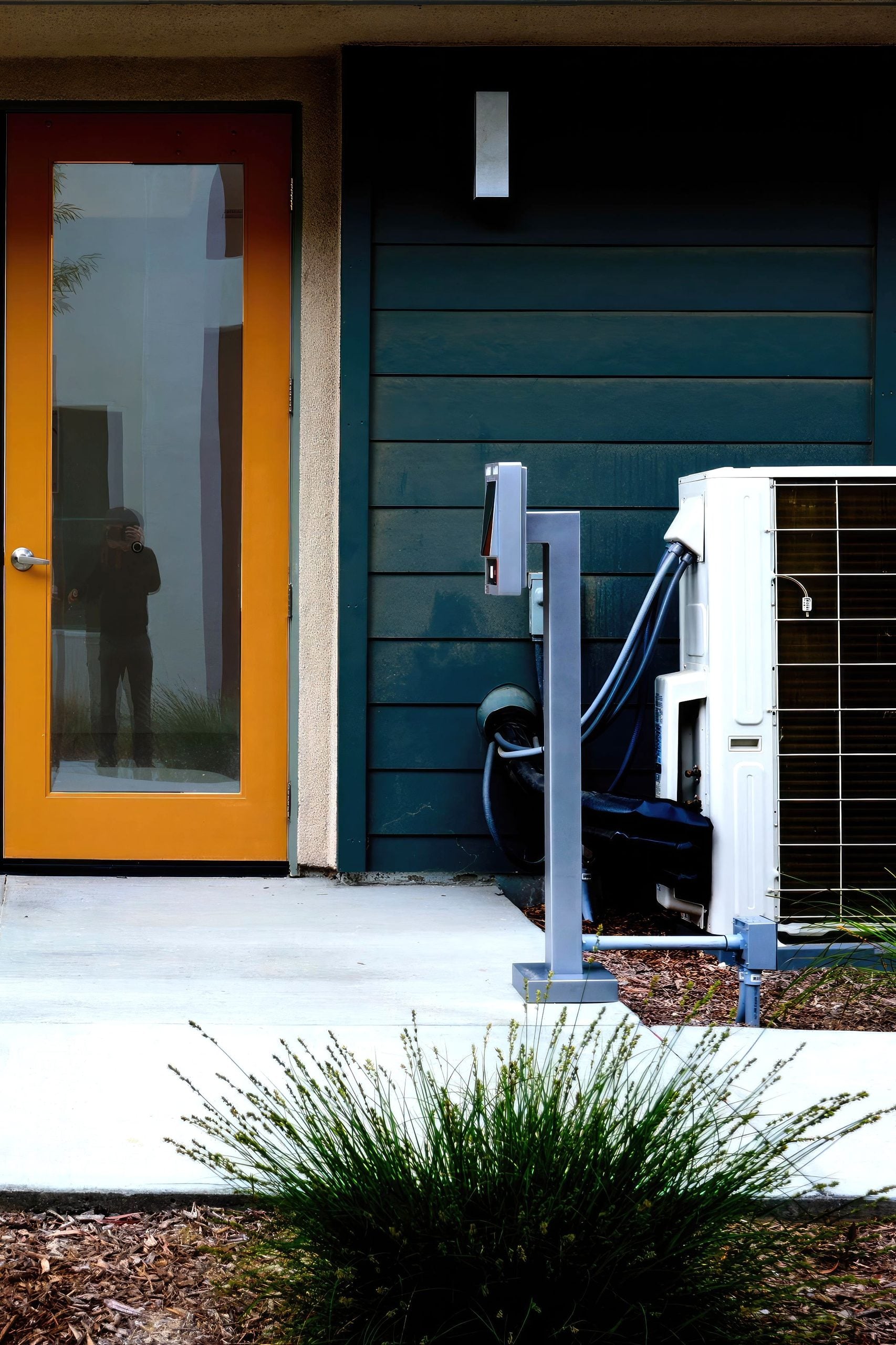
Should You Repair or Replace Your AC?
When your cooling system stops working properly, you are almost always faced with the exact same dilemma: Is a simple repair enough to fix it, or is it time to bite the bullet and replace the whole thing?
To make the right choice, it helps to understand what is causing issues like weak airflow, uneven temperatures, strange noises, or spiking power bills so you can decide on a practical next step.
For a local perspective, A/C installation is part of the repair, maintenance, and replacement services offered by All Brevard Air & Heat.
The company serves residential and commercial customers throughout Brevard County.
It focuses on diagnosing cooling concerns such as weak airflow, uneven temperatures, unusual noises, and rising operating costs before recommending a practical next step.
Why Climate and System Condition Change the Game
Cooling systems work harder in some regions than others, especially in areas with high humidity, extreme summer heat, or salty coastal air that can corrode outdoor equipment over time.
However, no matter where you live, a system’s overall physical condition matters way more than just its age.
For instance:
- Scenario A: A 12-year-old unit with clean coils, good airflow, and a solid maintenance history suffers a failed capacitor. A simple repair makes complete sense.
- Scenario B: A 12-year-old unit has recurring refrigerant leaks, corroded parts, climbing energy bills, and leaves the bedrooms hot. That points to a completely different long-term outcome.
Signs Your AC is Worth Repairing
A repair usually makes sense when a qualified technician can pinpoint one isolated problem while the rest of the unit is in great shape.
Getting a proper diagnosis matters because symptoms like poor cooling can stem from several different issues.
A repair is usually your best bet if:
- The system is relatively new and has not given you frequent trouble in the past.
- The failed component is straightforward to replace (like a thermostat, capacitor, contactor, or condensate safety switch).
- The issue is isolated to a specific spot after checking filters, drains, wiring, and ductwork.
- Your cooling performance, humidity control, and monthly bills were steady right up until this problem happened.
- The total repair bill is modest compared to the cost of installing a brand-new system.
Keep in mind that many common issues are easy fixes.
A clogged filter cuts off airflow, a blocked condensate line triggers an automatic safety shutoff, and a leaky duct section keeps one room from getting cold.
None of these mean your outdoor unit is dead.
Signs It Might Be Time to Replace
Replacement becomes the better option when your system gets unreliable or cannot keep you comfortable even after repeated repairs.
ENERGY STAR recommends looking into a full replacement or broader system upgrades if your equipment shows these signs:
- The unit breaks down constantly, especially during peak summer heat.
- Major components fail, such as the compressor, evaporator coil, or condenser coil.
- You are dealing with recurring refrigerant leaks or severe corrosion.
- Certain rooms stay warm or sticky even when the AC runs nonstop.
- Parts are hard to source, your warranty has expired, or the unit uses an outdated refrigerant.
- Your monthly electric bills keep climbing for no obvious reason.
Balancing Repair Costs, System Age, and Efficiency
Do not just look at today’s repair estimate against the price tag of a new unit.
Look at the bigger picture of what it will cost to keep the current setup running.
A good rule of thumb to keep in mind: if a major repair comes out to roughly 50 percent of the cost of a new replacement, an older or troublesome system deserves a much closer look.
It is not an absolute rule, but it is a helpful starting point.
What to Compare Side-by-Side:
- The current repair quote and whether the new parts or labor come with a warranty.
- How much you have spent on repair invoices over the past few years.
- What is left on your manufacturer or extended warranty.
- Potential future repairs based on the tech’s diagnosis.
- A complete replacement estimate that factors in equipment, labor, permits, disposal, and any required electrical, drain, or duct modifications.
- Proposed unit sizing, efficiency ratings, and humidity-control features.
A Quick Note on Efficiency: Energy efficiency is great, but installation quality is what actually delivers it.
The Department of Energy notes that improper unit sizing, incorrect refrigerant charge, or leaky ductwork can ruin efficiency, hurt comfort, and shorten a new system’s lifespan.
A high-efficiency unit only works as advertised if it is installed correctly for your home’s airflow needs.
Basic Maintenance and When to Call a Pro
A little routine maintenance goes a long way toward catching minor hiccups before they turn into major breakdowns:
- Clean or swap out filters on a regular schedule.
- Keep plants, debris, and outdoor storage clear of the outdoor condenser unit.
- Keep an eye out for standing water near your indoor handler.
- Take note of any new sounds or cold spots in the house.
- Schedule regular maintenance before peak summer hits.
Safety Warning: Routine care will not reverse normal wear-and-tear or fix a broken system.
Never open electrical panels, bypass safety controls, handle refrigerant, or try to fix a compressor yourself.
These tasks require specialized equipment and certified safety protocols.
Questions to Ask Before You Approve Any Work
Before handing over your credit card for a major repair or replacement, ask your technician these key questions:
- What failed, and what caused it to fail in the first place?
- Is this a standalone issue or a symptom of a larger system problem?
- How much additional lifespan will this repair realistically buy me?
- Are any other components showing heavy wear?
- Would testing the ducts, measuring airflow, or fixing drainage change your recommendation?
- What exactly does the replacement estimate cover (from removal to startup testing)?
- What specific unit size and efficiency rating are you proposing for my home?
Frequently Asked Questions
How old is too old for an air conditioner?
Ten years is usually the point where you should start evaluating performance closely, but it is not an automatic death sentence.
Maintenance history, corrosion, breakdown frequency, indoor comfort, current efficiency, and duct condition all matter more than the date on the manufacturer label.
Is it better to repair or replace a leaking AC?
It depends entirely on where the leak is, if it has happened before, how old the system is, what type of refrigerant it uses, and the total fix price.
Fixing an isolated leak in a newer unit makes sense; dumping money into recurring leaks on an old, corroded system usually does not.
Can a new thermostat fix uneven cooling?
In some cases, yes. However, hot spots in your house are often caused by duct leaks, blocked vents, poor insulation, restricted airflow, or an incorrectly sized AC unit.
You should always diagnose the root cause before buying new controls.
When is emergency AC service necessary?
Call a professional immediately if you notice burning smells, smoke, repeatedly tripped breakers, exposed wiring, standing water near electrical parts, or if your cooling fails completely during extreme heat warnings.
Final Decision Checklist
Before making your call, run through this quick checklist:
Fixing a newer system with one clear, isolated problem is practical.
Replacing an aging unit that keeps breaking down usually gives you far better long-term value.
Base your decision on documented equipment health, clear pricing, and your real comfort needs.
So, should you repair or replace your AC?
Drop a comment, below!
—Matt
PIN FOR LATER:

I am a contractor and just a DIY guy in my spare time. I love building things and sharing my knowledge with other DIY’ers. You can do anything you set your mind to! When I am not building or fixing something, I am all about baseball. Go Tigers, go!