When to Repair a Roof vs. Replace: The Ultimate Guide to Smarter Upgrades
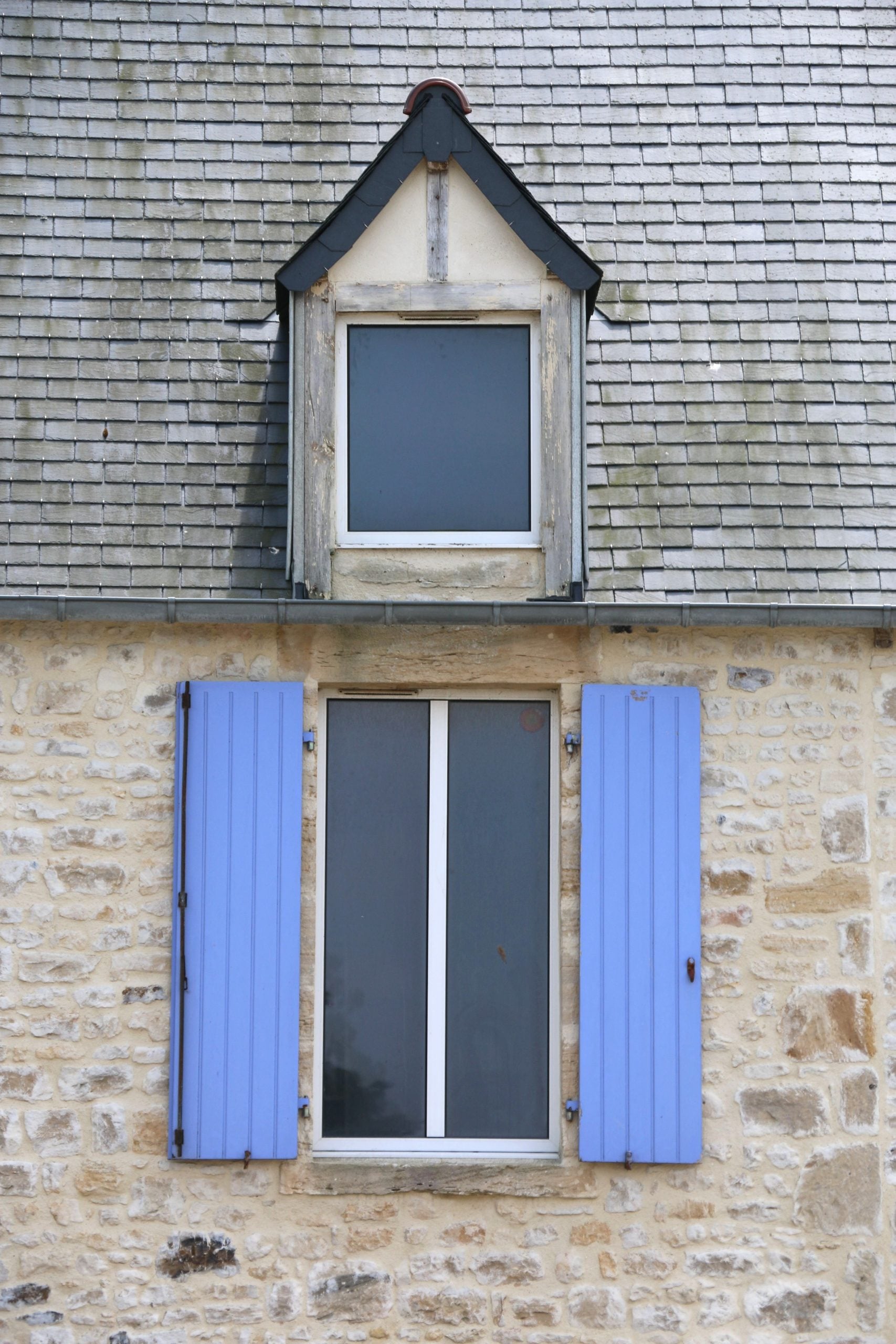
When to Repair a Roof or Replace It?
A roof issue may begin with a ceiling stain, a missing shingle, or a small drip near a vent. Those symptoms can have a straightforward cause, but water does not always enter a home directly above the place where it becomes visible indoors.
A careful diagnosis is more useful than assuming the solution must be either a quick patch or a complete residential roof installation.
The choice between repair and replacement affects more than the immediate expense.
It can affect the likelihood of future leaks, the condition of attic materials and roof decking, the appearance of the home, and the timing of other projects.
The best choice is usually the one that addresses the actual failure while making sense for the roof’s overall condition and the homeowner’s plans.
Start by separating a local defect from a system-wide problem. A failed pipe boot, loose flashing detail, or a few wind-damaged shingles may be repairable.
Broad surface wear, repeated leaks, or damaged decking may point toward a more extensive project.
When Roof Repair May Make Sense
Roof repair may be a reasonable option when the damage is clearly limited, and the surrounding materials remain in good condition.
The repair should correct the entry point for water, not simply cover the most visible symptom.
- A small number of shingles are missing, cracked, or damaged.
- Flashing around a chimney, skylight, wall transition, or vent has a localized defect.
- A pipe boot, fastener, seal, or roof penetration needs replacement.
- A single leak has an identifiable source and has not caused extensive damage below the roof surface.
- Minor wind damage is limited to one defined portion of the roof.
A useful repair estimate identifies the problem area, the materials to be replaced, and the work needed to restore water shedding.
It should also explain whether the contractor expects to inspect the deck after removing roofing materials in the affected area.
When Roof Replacement May Make Sense
Replacement becomes more worthwhile when multiple parts of the roof are failing or when repairs are becoming repetitive.
It may also be appropriate when the roofing surface can no longer be repaired reliably because materials are brittle, extensively worn, or difficult to integrate with new materials.
- Leaks have appeared in more than one area or returned after prior repairs.
- Shingles show widespread curling, cracking, exposed areas, or substantial surface wear.
- The roof deck feels soft, appears sagged, or shows evidence of moisture damage.
- Damage extends across several slopes, valleys, or roof penetrations.
- Existing roofing materials cannot be matched adequately for a durable repair.
- A major storm has affected broad sections of the roof.
Even when replacement is appropriate, the work should address the complete system.
Underlayment, flashing, drainage paths, ventilation details, and roof-to-wall connections all deserve review. New surface materials alone cannot correct a hidden flashing or water-management problem.
Factors to Review Before Deciding
Roof Age and Repair History
Age provides context, but it should not be the only deciding factor. Roofs of the same age can perform differently because of weather exposure, installation quality, maintenance, ventilation, and prior storm damage.
Review old invoices and inspection notes to determine whether a new repair is an isolated event or part of a recurring pattern.
Decking, Underlayment, and Ventilation
Roof coverings work with other components that are less visible from the ground. Damp insulation, stained framing, deteriorated sheathing, and poor airflow can complicate a repair decision.
Understanding how to manage water vapor control in roof and attic assemblies requires attention to the full assembly, not only the outer roof covering.
Budget and Ownership Plans
A limited repair may be practical when it can safely extend service for an otherwise sound roof. A replacement may provide more predictable long-term maintenance for an owner planning to stay in the home. Compare the expected benefit of each option, not just the first invoice.
How Roofing Materials Change the Answer
Material type affects the inspection process. Asphalt shingles may show granule loss, cracking, curling, or lifted edges.
Metal roofing can develop loose fasteners, open seams, corrosion, or damaged coatings. Tile roofs require attention to broken units as well as the underlayment and flashing beneath them.
Low-slope roofs need careful evaluation of seams, drainage, ponding water, and membrane condition.
Material matching also matters. A repair may remain visible when older products have faded, changed, or been discontinued.
Appearance alone does not necessarily require replacement, but unavailable or incompatible materials can make a lasting repair more difficult.
What to Do After Storm Damage
Safety should come before documentation or temporary repairs. Avoid walking on a wet roof, using a ladder in windy conditions, or entering an area beneath a sagging ceiling.
If it is safe, move belongings away from water, place a container under active drips, and photograph interior staining and exterior damage from the ground.
Notify the insurer promptly if storm damage may be covered, then obtain a detailed inspection.
Documentation can be useful because filing a homeowner’s claim commonly involves describing the damage and providing photos or other records.
Coverage depends on the individual policy, deductible, exclusions, and cause of loss.
Questions to Ask During an Inspection
- What is the specific source of the leak or damage?
- Is the issue isolated, or does it appear in multiple roof areas?
- What condition are the flashing, valleys, vents, and roof penetrations in?
- Is there evidence of moisture damage to decking, framing, or insulation?
- Can replacement materials be integrated with the existing roof?
- What is included in the estimate, including cleanup and disposal?
- What conditions could require additional work after materials are removed?
- What workmanship and material warranty information will be provided?
A Simple Repair-or-Replace Checklist
- Repair may fit when damage is confined to one defined area, the deck is sound, and the surrounding roof materials remain serviceable.
- Replacement may be worth considering when defects are widespread, leaks return, structural materials are affected, or previous patches have not resolved the problem.
- Request photos and a written scope before approving either option.
- Compare long-term value by considering likely future repairs, not only the current price.
A well-defined roof problem may need only a focused repair. When deterioration is widespread or water has compromised underlying components, replacement can be the more dependable path.
A thorough inspection, clear documentation, and realistic comparison of both options can help homeowners make the decision with confidence.
Do you know when to repair a roof or replace it?
Drop a comment, below!
—Matt
PIN FOR LATER:
I am a contractor and just a DIY guy in my spare time. I love building things and sharing my knowledge with other DIY’ers. You can do anything you set your mind to! When I am not building or fixing something, I am all about baseball. Go Tigers, go!