How Homeowners End Up Overpaying for Plumbing and HVAC Repairs
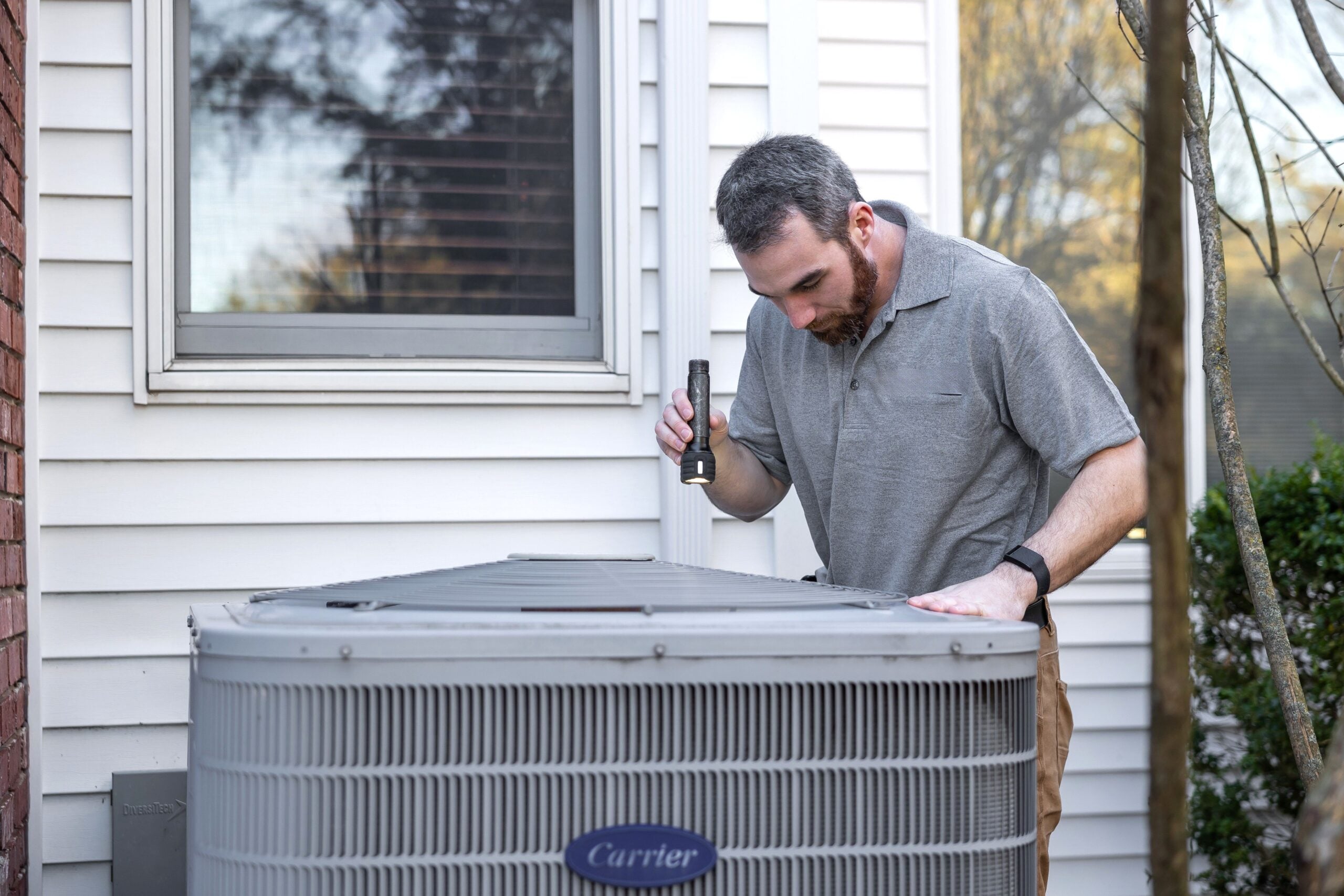
Are You Overpaying for Plumbing and HVAC Repairs?
A repair bill almost never arrives at a convenient moment. Heat disappears on the coldest night of the season, a drain quits an hour before company shows up, or a ceiling stain spreads while nobody is home.
Under that kind of pressure, most homeowners in Columbus dial whoever picks up and sort out the details afterward.
That instinct is what turns an ordinary repair into an expensive one. Very few people end up overpaying because they chose carelessly.
They chose fast, without knowing which questions mattered, and learned only at the end that the number they agreed to and the number on the invoice were never the same thing.
Finding a Company That Covers More Than One Trade
Failures in a house rarely respect trade boundaries. Water pooling near a furnace is a plumbing problem and a heating problem at once, and a homeowner coordinating two separate outfits pays two trip charges while each one blames the other.
Get in touch with Haven Services Columbus to ensure the work is handled by experienced professionals, whether it’s plumbing, drains, heating, or cooling.
Moreover, these technicians are licensed, insured, and background checked, which counts for something when a stranger is walking into your house at ten at night.
Getting the Price Before the Work Starts
Everything else is secondary to this one rule. No work begins until you have seen a figure and said yes to it.
Any company willing to diagnose the problem, present the options in language you follow, and then wait for your answer is doing the job properly.
Loose estimates are where the money leaks out.
“Roughly,” “probably,” and “we will know more once we open it up” all leave the number free to climb, and by the time it does, the job is half finished and walking away costs you more than agreeing.
Insist on the quote in writing.
Ask directly what happens if something unexpected turns up mid-job, and get confirmation that extra work requires your approval before anyone touches it.
Add-on charges account for a surprising share of the damage. Trip fees, after-hours rates, haul-away costs, and parts markups all belong in the opening conversation, not buried at the bottom of a final bill.
Confirming Licensing and Insurance
One question settles this, and it is worth asking every time. A license means the technician has met state requirements for the work being performed.
Liability insurance means damage to your property is covered rather than argued over. Workers’ compensation means an injury on your job stays the company’s responsibility instead of becoming yours.
Screening matters for a separate reason entirely.
Someone is coming inside your home, frequently at a moment when you are alone there. A company that runs background checks on its people and states so without hesitation has already considered that.
Judging a Company by How It Answers the Phone
You learn a lot in the first minute. A live voice instead of four layers of automated menus tells you the company spends money on answering calls rather than avoiding them.
Push for specifics on timing. “Same day whenever possible” is a real commitment you can hold someone to.
“We will try to get someone out” is not. Since failures ignore business hours entirely, a company that shuts its phones at five is going to leave you stranded eventually.
Watching What Happens During the Visit
Small habits reveal the operation. Boot covers before anyone crosses the threshold. Drop cloths over flooring. Old equipment carried out rather than abandoned in your garage.
A work area left tidier than it was found.
How a technician talks to you matters equally. Someone who points out the actual problem, explains what caused it, and lays out choices in plain terms is treating you as the person making the decision.
Anyone who cannot explain the work, or would rather not, has told you something worth hearing.
Knowing When It Is an Emergency
Some failures hold until morning, and some do not, and telling them apart keeps urgency rates off bills that never needed them.
A burst pipe is flooding the house right now, so shutting the main valve comes before the phone call. A gas smell means walking out of the building and dialing from outside, never poking around to confirm it.
Sewage backing up indoors, heat gone in freezing weather, and any major leak sit in that same category.
Recognizing which situations truly warrant an emergency response protects your money, and just as importantly, stops you from postponing something that should never have waited.
Asking What Happens After the Job
Fixing the immediate problem is only part of what you are buying. Find out what coverage the work carries and what the company does if the same fault returns.
An outfit that returns at no charge is absorbing a risk that would otherwise land on you twice.
A check-in call a few days later says something too. It means someone is verifying the repair held rather than assuming it did.
Companies in the habit of following up tend to get the work right initially, because either way they are going to hear about it.
Building a Relationship Before You Need One
Researching contractors during an emergency is the worst possible timing, because urgency negotiates on your behalf and it never negotiates well.
Settling on a company while nothing is broken, using them for routine work, and knowing exactly who to call means that frantic search never has to happen.
Routine maintenance justifies the relationship on its own terms.
Annual tune-ups surface small faults before they turn expensive, and a technician familiar with your system already knows its history.
Calling the same team again next month or in five years means picking up where you left off instead of explaining everything from scratch.
Have you been overpaying for plumbing and HVAC repairs?
Sound off, below!
—Matt
PIN FOR LATER:

I am a contractor and just a DIY guy in my spare time. I love building things and sharing my knowledge with other DIY’ers. You can do anything you set your mind to! When I am not building or fixing something, I am all about baseball. Go Tigers, go!