7 Signs You Need a New Roof Before Storm Season Hits
Is Your Roof Ready for a Refresh?
Your roof does a lot of quiet work. It blocks blazing sun, heavy rain, and those windy days that make your trash can roll away like it has big plans.
The trouble is, roof problems often start small and stay sneaky.
By the time you notice a clear leak, the issue may have already grown. If you want to avoid surprise repairs during storm season, it helps to spot the early clues and act before your ceiling starts giving you unwanted indoor water features.
Read on to learn how to notice signs you need a new roof.
Why Timing Matters
A lot of homeowners think about the roof only when something drips, creaks, or looks obviously wrong. That’s normal, but it can cost you.
Roof issues often build up slowly through heat, moisture, and age. If you wait until a storm is already on the forecast, your choices may be limited and repair schedules may get crowded.
That’s why it helps to check in early and decide whether it’s time to speak with a roofing company before rough weather rolls in.
You’re not being dramatic. You’re being smart.
A roof inspection before storm season can catch loose shingles, weak flashing, or worn areas that might not survive the next big downpour.
Think of it like checking your tires before a road trip. It’s much better than finding out something’s wrong halfway through the ride.
Look From the Ground
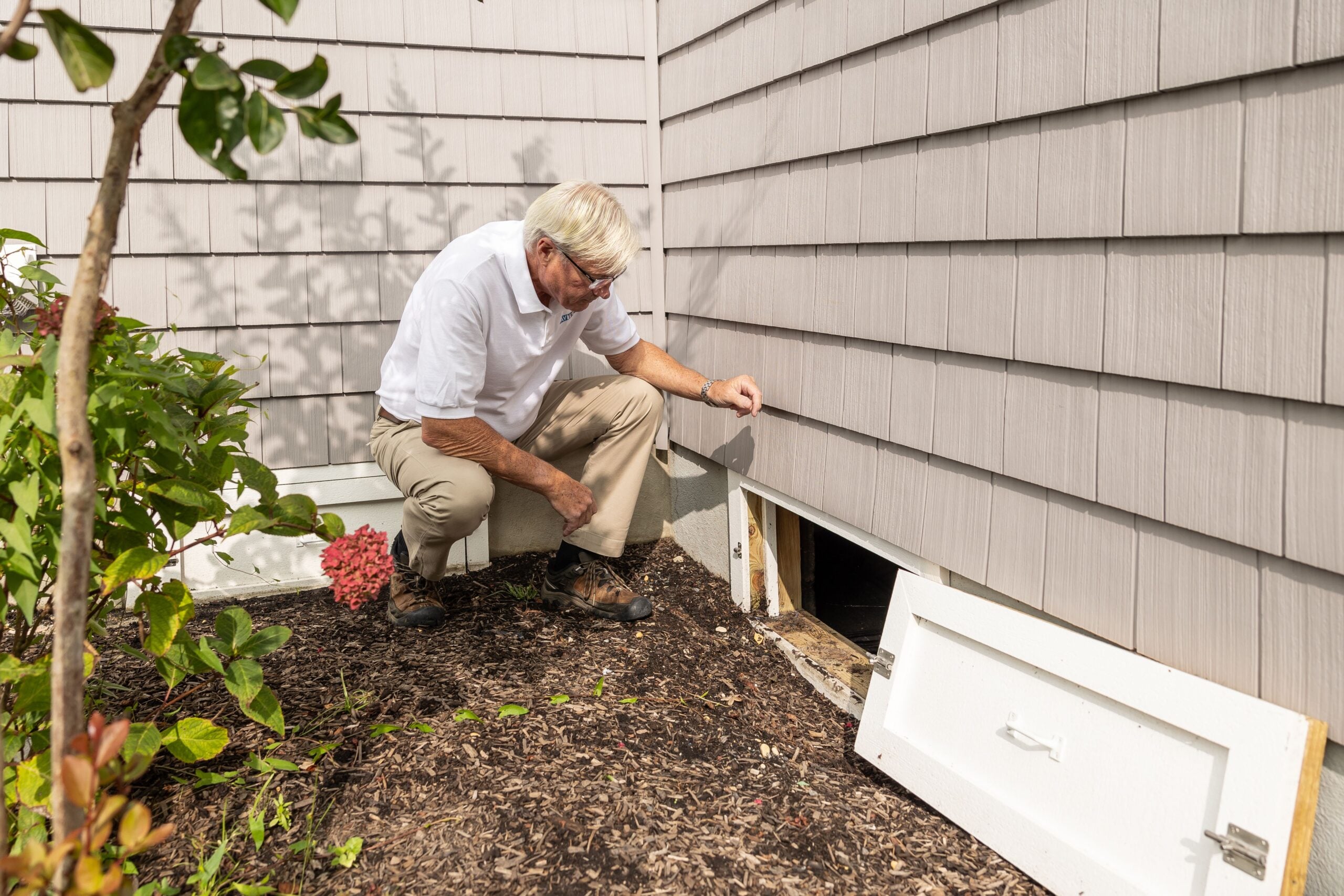
You don’t need to climb onto the roof to notice a lot. In fact, please don’t unless you know what you’re doing.
A simple walk around your home can tell you plenty. Stand back and look for anything that seems uneven, patchy, or a little off.
Pay attention to these signs:
- shingles that look curled, cracked, or missing
- dark streaks or mossy patches
- sagging lines along the roof
- piles of granules near downspouts
- flashing that looks bent or loose
Also check your gutters. If they’re filled with roof debris, that can be a clue that materials are wearing down.
A roof should look steady and consistent.
If one section appears older or rougher than the rest, it may need closer attention. You’re not trying to diagnose every problem.
You’re just spotting clues before they become expensive plot twists.
Check Inside Your Home
Roof trouble doesn’t always announce itself outside first. Sometimes your house drops hints from the inside.
A faint stain on the ceiling may not look like a big deal, but it can point to water sneaking in from above. The same goes for peeling paint near the top of a wall or a musty smell in the attic.
Take a slow look at the rooms under your roof, especially after heavy rain.
Watch for:
- yellow or brown ceiling marks
- bubbling paint or drywall
- damp attic insulation
- moldy or stale smells
- rooms that suddenly feel hotter or colder
That last one surprises people. If roof damage affects ventilation or insulation, your home comfort can change too.
You might end up running your air more often without realizing the roof is part of the problem.
Your house has ways of telling you something’s wrong. You just have to listen before it starts shouting.
Weather Takes a Toll
Roofs don’t wear out all at once. They get chipped away by daily weather, one hot afternoon and one heavy storm at a time.
Sun can dry out materials and make them brittle. Humidity can encourage mold and algae. Wind can loosen edges that seemed fine a month ago.
Then rain finds those weak spots and gets to work.
If you live in a storm-prone area, the timing matters even more. A roof that handles mild weather just fine may struggle during a week of hard rain and strong gusts.
Even newer roofs can have vulnerable spots around vents, valleys, and flashing.
The tricky part is that weather damage often looks small at first. A lifted shingle here, a tiny leak there. Nothing dramatic.
But roofs age in layers, and repeated exposure adds up. It’s a bit like forgetting sunscreen at the beach. You may not regret it in five minutes, but later? Oof.
Small Issues Grow Fast
A minor roof problem can stay minor for a while, which is exactly why people ignore it. Then one season changes everything.
Water gets beneath shingles, dampens wood, and weakens the structure.
Insulation gets soggy and stops doing its job well. Mold can start growing in places you don’t see every day.
You might also notice your energy bills creeping up. If your roof is letting in moisture or hot air, your HVAC system has to work harder.
That means a roof issue can quietly affect comfort, air quality, and monthly costs all at once.
None of this means you should panic every time you spot a stain. It just means small signs deserve attention.
Quick fixes are usually easier to manage than emergency repairs after a major storm. Your future self will thank you, and probably with less stress and fewer buckets on the floor.
Know When to Call Help
You can do a lot with careful observation, but not every problem is visible from your driveway.
If you notice repeated leaks, sagging areas, storm damage, or signs that keep getting worse, it makes sense to bring in a professional.
The goal isn’t to overreact. It’s to get clear information.
A good inspection can help you understand whether you need a simple repair, a few targeted updates, or a larger refresh.
It can also help you separate cosmetic wear from real trouble. That matters, because roofs can look older than they are or seem fine while hiding damage underneath.
If you’ve recently had high winds, hail, or driving rain, don’t wait too long.
Damage from one event can leave the roof more vulnerable during the next one. When safety or hidden moisture is involved, professional eyes are often the best next step.
Plan Your Next Steps
Once you’ve spotted a few signs, keep things simple. Take photos of anything unusual from the ground and make notes after rainstorms.
Write down where stains appear, when rooms feel drafty, or what areas seem to collect debris. A small checklist now can save you a lot of guesswork later.
You can also prepare a few smart questions before talking to a roofer.
Ask what looks urgent, what can wait, and how storm season may affect timing. If repairs are needed, find out whether they’re meant to solve the cause or just cover the symptom.
Most of all, don’t put roof care in the someday pile.
Your roof isn’t asking for applause, just a little attention before the weather turns wild. Catching problems early won’t make homeownership perfect, but it can make it a whole lot less soggy.
Have you seen signs you need a new roof?
Sound off, below!
—Matt
PIN FOR LATER:


I am a contractor and just a DIY guy in my spare time. I love building things and sharing my knowledge with other DIY’ers. You can do anything you set your mind to! When I am not building or fixing something, I am all about baseball. Go Tigers, go!