Understanding Comfort Food: Warmth, Texture, and the Pull of Familiar Flavors
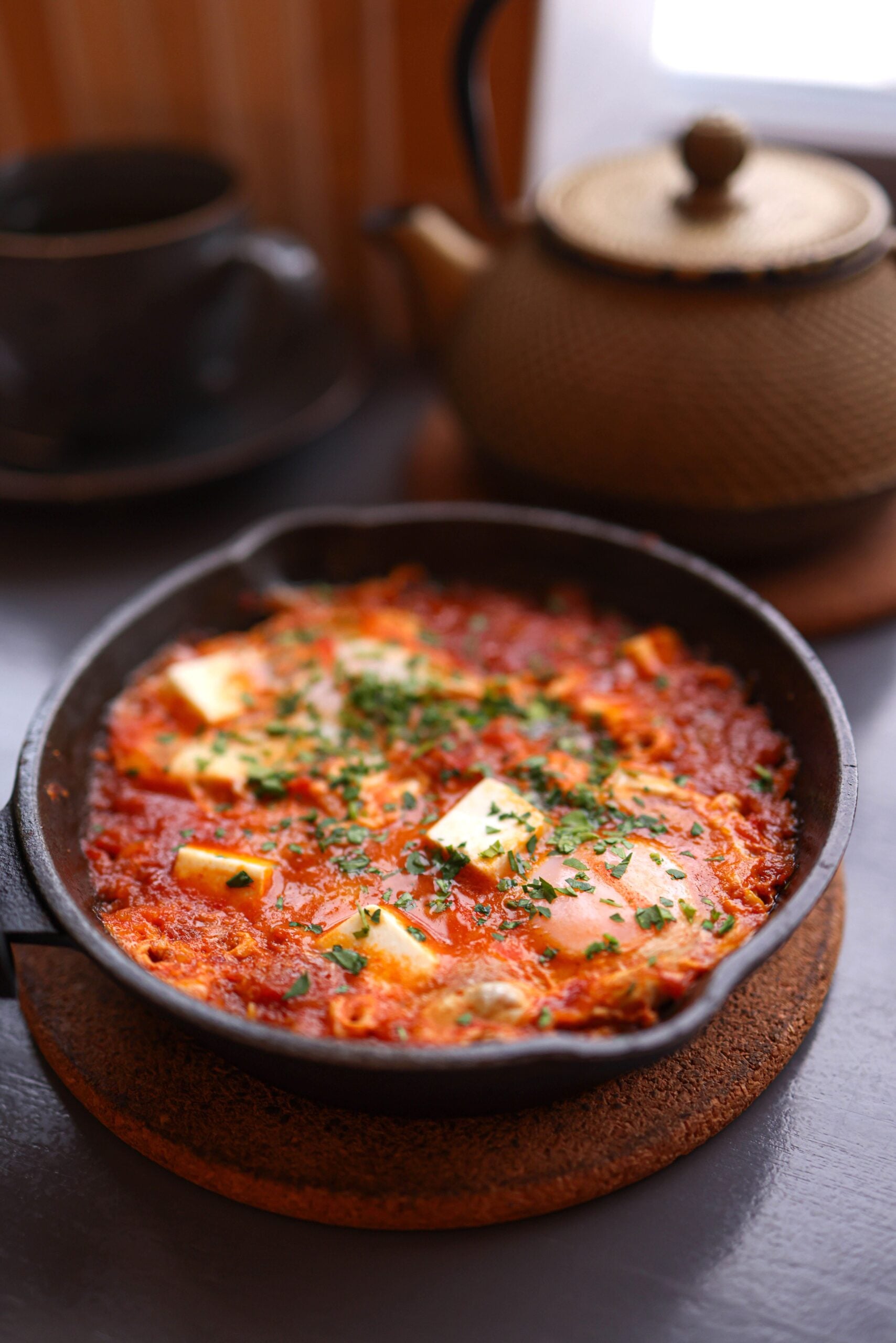
Understanding Comfort Food
There is a particular kind of meal that people return to without thinking about it. It is rarely the most impressive thing anyone cooks, and it almost never involves rare ingredients or difficult technique.
It is the food that shows up when someone is tired, unwell, or simply unwilling to make another decision at the end of a long day.
Comfort food earns its place in a household slowly, through repetition, and it holds that place for years.
Understanding why certain dishes take hold while others fade makes it easier to cook well on the days when cooking feels like a chore.
Why Certain Meals Become Household Favorites
Most homes settle into a small rotation of dishes that everyone accepts without argument. These meals share a few traits.
They are forgiving, they can be made from ingredients that are usually on hand, and they taste the same each time.
That reliability matters more than variety. When someone is coming down with a cold or arriving home late, familiar warmth is the point.
The problem is that the versions most people reach for on those days come from a can or a box, and the flavor is thin and flat compared to what a home kitchen can produce with very little effort.
A homemade version solves that, and this Instant Pot chicken and rice soup recipe shows how far a pot of real broth can carry a simple meal.
The Role of Warmth in How Food Feels
Temperature does more work than most cooks give it credit for. A warm bowl slows a person down. It has to be eaten with attention, one spoonful at a time, and that pace is part of the comfort.
Warm food also releases more aroma, and aroma carries most of what people experience as flavor.
A dish served hot smells like the herbs and vegetables that went into it long before anyone tastes it, and that smell reaches the rest of the house while the cooking is still going on.
Half the pleasure of a comforting meal happens before it reaches the table.
Texture and the Reason Some Dishes Satisfy
Flavor gets the attention, but texture decides whether a meal feels finished. A dish made of one soft element throughout becomes dull halfway through the bowl, no matter how well seasoned it is.
Contrast keeps interest alive.
Something tender next to something with a little bite, something thick against something clear, gives the mouth a reason to keep going.
This is why cooks who care about their results pay attention to how long each ingredient spends over heat. Vegetables cut to a similar size finish together.
Meat cut small stays tender instead of turning stringy.
Why Homemade Broth Makes the Difference
If there is one thing that separates a homemade meal from a shortcut version, it is the liquid underneath everything else. Store-bought stock is mostly water, salt, and flavoring.
It fills a pot, but it does not carry anything. Broth made at home from bones, an onion, a bit of celery and carrot, and a bay leaf tastes like the ingredients it came from.
It has body, a faint richness, and enough depth that the finished dish needs very little else to taste complete.
Making it is far simpler than most people assume. The work is almost entirely passive. Bones and vegetables go into a pot with water, and time does the rest.
The only real skill involved is patience and a fine strainer at the end.
Cooking Ahead Without Cooking Twice
The main objection to cooking from scratch is time, and it is a fair objection on a weeknight. The answer is not to cook faster but to cook at a different time.
Broth freezes well and thaws quickly, and a batch made on a quiet weekend afternoon can supply a household for weeks.
Stored in small containers, it turns a long recipe into a short one. The slow part is already done, sitting in the freezer, waiting.
This approach works for more than liquid.
Vegetables can be chopped in advance, meat can be portioned, and dried herbs and seasonings can be measured into a small container. None of these steps are difficult on their own.
How Modern Equipment Changed Everyday Cooking
Countertop cookers reshaped what is realistic on a weeknight. Tasks that once demanded an afternoon of watching a pot now run unattended, sealed, and hands-off.
That change matters most for the slow foundations of good cooking, the ones people abandoned first when life got busy.
It also removed some of the fear. A sealed pot does not boil over, does not scorch while someone answers the door, and does not need stirring every ten minutes.
The tradeoff is that timing becomes less flexible.
Once the lid is on, adjustments are difficult, so decisions have to be made up front.
Cooks who do well with this equipment learn to think about the order of ingredients before anything goes in the pot, and to season at the end rather than the beginning, when they can actually taste the result.
Getting Seasoning Right at the End
Salt added early behaves differently from salt added late. Early salt draws moisture out and seasons ingredients from the inside.
Late salt sits on the surface and hits the tongue directly. Good cooking uses both, but the final adjustment always belongs at the end, after everything has finished cooking and the flavors have settled.
A dish that tastes flat is usually underseasoned rather than badly made.
A small amount of acid at the last moment does similar work.
A squeeze of lemon juice stirred in before serving lifts everything and makes a heavy dish feel lighter without changing what it is. Fresh herbs scattered on top do the same.
Building a Rotation Worth Keeping
The goal of home cooking is not novelty. It is a handful of dishes that can be made well, repeatedly, without consulting anything.
Those dishes get better each time they are made, because small adjustments accumulate. Comfort food is not a lesser category of cooking.
It is the category that gets eaten.
Understanding comfort food is easy, what is your favorite kind?
Let me know, til then—cheers m’deres!

PIN FOR LATER:

Nancy Polanco is a freelance journalist, lifestyle content creator, and editor of Whispered Inspirations. She is a proud Mom to Gabby and Michaela and partner and best friend to Darasak. Having worked as part of a health care team for almost a decade, Nancy is happy to be back to her passion. She is a contributor to the Huffington Post, TODAY’s Parents, and an Oprah Magazine Brand Ambassador.