How to Plan an Effortlessly Relaxing RV Trip Through Upstate South Carolina
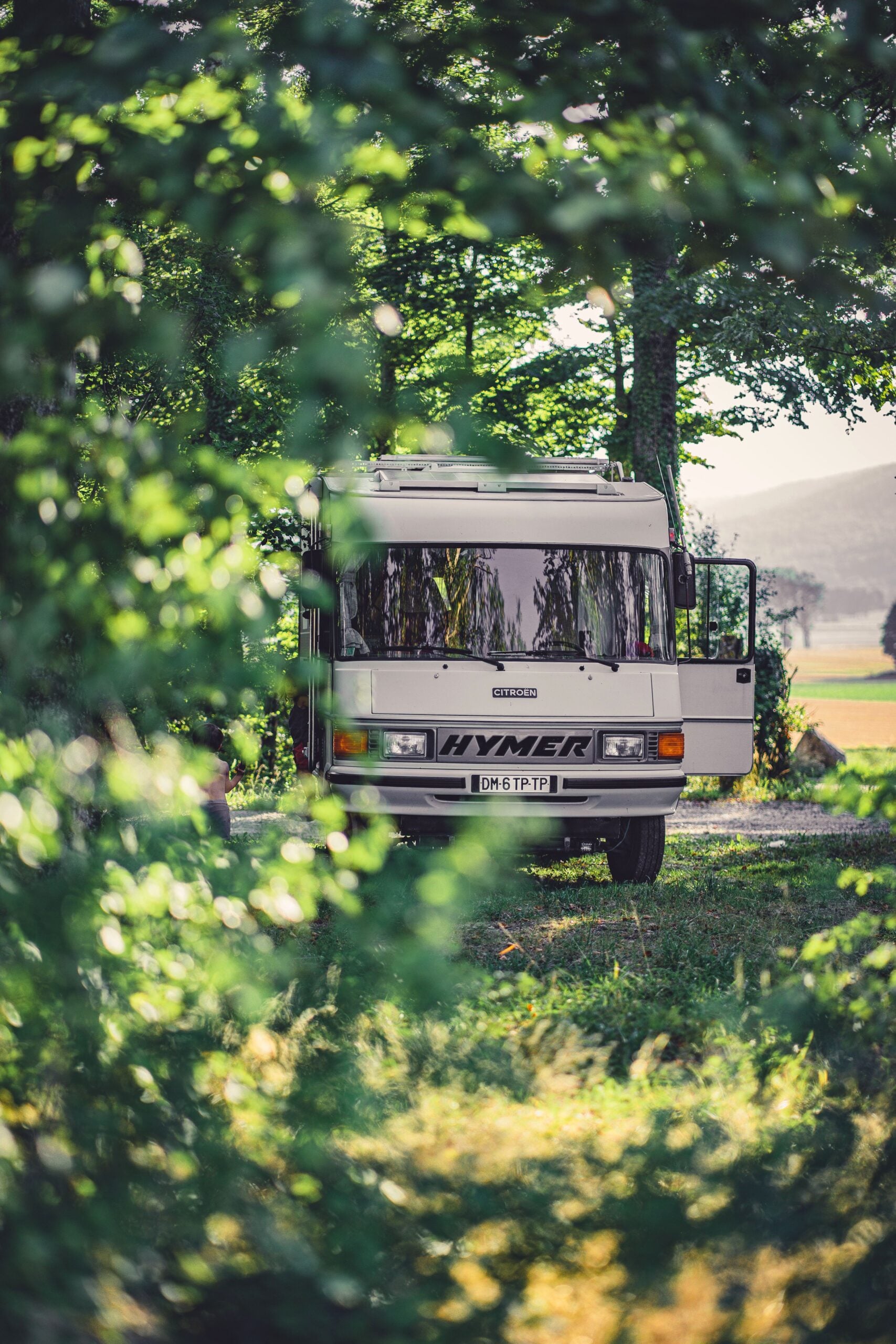
Plan a Relaxing RV Trip Through Upstate South Carolina
Upstate South Carolina is well-suited to RV travelers who want a trip with mountain foothills, lakes, walkable towns, and Greenville-area dining without having to move the rig every day.
Choosing a comfortable home base is often the simplest way to keep the itinerary enjoyable rather than exhausting.
For travelers exploring the Greenville area, Shibby RV Living is a local RV park in Woodruff, South Carolina, offering full-hookup sites, high-speed WiFi, and both back-in and pull-through options.
Its location near Fountain Inn and Greenville, along with its focus on weekend and longer RV stays, gives the brand a useful firsthand perspective on what makes a practical Upstate base camp.
Why Upstate South Carolina Works Well for RV Travel
The Upstate offers variety without requiring a cross-state drive each morning. Travelers can spend one day enjoying a lake or state park, then set aside another for a Greenville restaurant, a café in a smaller community, or a scenic drive through the foothills.
That mix works especially well for RV guests who prefer to settle in once and explore from there.
You do not need to visit every waterfall, overlook, park, or downtown district to have a memorable trip. A slower schedule creates space for campground breakfasts, an afternoon rest, and the kind of roadside discovery that rarely fits into a packed plan.
For broader inspiration, the South Carolina vacation guide organizes destinations and trip ideas across the state.
Choose a Route That Leaves Room to Breathe
Plan around realistic driving time, not just mileage. An RV journey includes fuel stops, slower turns, traffic, check-in, leveling, hookups, meals, and breaks.
A route that looks easy in a passenger vehicle can feel demanding when towing or navigating a larger motorhome.
Simple Route-Planning Steps
- Choose one primary area instead of attempting to cover the entire state.
- Identify fuel stations with enough room for your rig and tow vehicle.
- Review bridge heights, road grades, low-clearance notices, and narrow-road warnings.
- Build extra time into every travel day for stops and campsite setup.
- Keep at least one portion of the schedule open for weather or a spontaneous detour.
Before leaving, check official road information and your navigation settings.
Mountain and rural routes can require more attention than major highways, particularly after heavy rain or during periods of low visibility.
Build a Flexible Three-Day Itinerary
A three-day structure can provide a useful starting point for a weekend, while still being easy to expand into a longer stay.
The goal is balance rather than checking off the greatest possible number of attractions.
Day One: Arrive and Settle In
- Arrive with enough daylight to park, level the RV, and connect utilities.
- Walk the campground and locate trash areas, restrooms, and exits.
- Pick up groceries, ice, or other basics before relaxing for the evening.
- Keep dinner simple after a long day of driving.
Day Two: Choose One Main Outing
- Pick one priority, such as a lake, a state park, a waterfall area, or downtown Greenville.
- Plan one sit-down meal or casual local stop, not several.
- Return before dark when possible, especially if you are unfamiliar with the roads.
Day Three: Enjoy a Slow Morning
- Make breakfast at the campsite and pack up without rushing.
- Visit a market, café, or historic district on the way out.
- Consider an extra night if the drive home would otherwise feel too long.
If you want to build a longer outdoor route, this four-day state park road trip shows how lake-focused stops can be arranged across several days.
Select a Campsite for Comfort and Convenience
The closest campground is not automatically the best choice. Look for a site that fits the full length of your RV and vehicle, provides the hookups you need, and gives you an easy path in and out.
A quieter base with room to maneuver can be more valuable than shaving a few minutes from a day trip.
Questions to Ask Before Booking
- Does the site accommodate your RV length, slides, and tow vehicle?
- Is it a back-in site or a pull-through site?
- Are electric, water, and sewer hookups available?
- What are the quiet-hour, pet, and arrival policies?
- Is cell service or internet access important for your stay?
- How close are groceries, fuel, restaurants, and medical services?
Read recent guest feedback with care. Comments about access roads, site width, drainage, noise, and late check-in can be more useful than a general star rating.
Prepare the RV Before Leaving
A short inspection before departure helps prevent avoidable delays. Check tire pressure and tread, exterior lights, brakes, fluid levels, propane connections, batteries, water hoses, power cords, and the generator (if your RV has one).
Then secure cabinet doors, appliances, outdoor gear, and other loose items.
Towing travelers should also confirm the hitch connection, safety chains, mirrors, and load limits. Download maps before departure in case the signal becomes limited.
Plan Around Weather and Road Conditions
Weather can differ between lower elevations and the mountain foothills, so check conditions for both the campground and your planned outing.
Pack rain gear, sun protection, and a light extra layer.
Start outdoor activities earlier in hot weather, avoid exposed overlooks when lightning is present, and postpone mountain drives if rain or fog reduces visibility.
Keep a museum, café, or relaxed shopping stop in mind for a stormy afternoon.
Add Small-Town Stops and Outdoor Breaks
Some of the most satisfying RV travel moments are not major attractions. Add a breakfast stop before a scenic drive, browse a farmers market when one is operating, or choose a short trail that works for children and pets.
Small museums and historic districts can also provide an easy alternative when the weather changes.
When you stop for supplies, local businesses may be able to point you toward nearby parks, seasonal events, or roads better suited to your plans.
Avoid Common RV Road Trip Mistakes
- Driving too far in one day: Long travel days leave little energy for setup or sightseeing.
- Ignoring rig dimensions: Routes suitable for cars may not be suitable for a tall, wide, or towing RV.
- Skipping reservations: Popular travel periods can limit campsite availability.
- Forgetting supply stops: Groceries, propane, medications, and ice are easier to handle before they become urgent.
- Overplanning: A packed calendar can make a recreational trip feel like work.
Make the Trip Feel Like a Break
A successful Upstate South Carolina RV trip is measured by comfort and enjoyment, not by how many places you visit.
Choose a dependable base, give yourself realistic drive times, and limit each day to one main outing.
With room to change plans, enjoy local food, and rest at the campsite, the road between destinations becomes part of the vacation.
Planning a relaxing RV trip through upstate South Carolina?
Sound off, below!
—Darren
PIN FOR LATER:
I traded a desk for a backpack at 30 to see all 195 countries. I’m not just checking boxes; I’m finding the heartbeat of every nation. From off-the-beaten-path gems to world wonders. Follow my quest to see it all.