6 Better Banking Habits That Will Put You in Control of Your Finances
Better Banking Habits That Will Put You in Control of Your Finances
Banking plays a critical role in modern life, enabling the efficient flow of money and facilitation of everyday transactions.
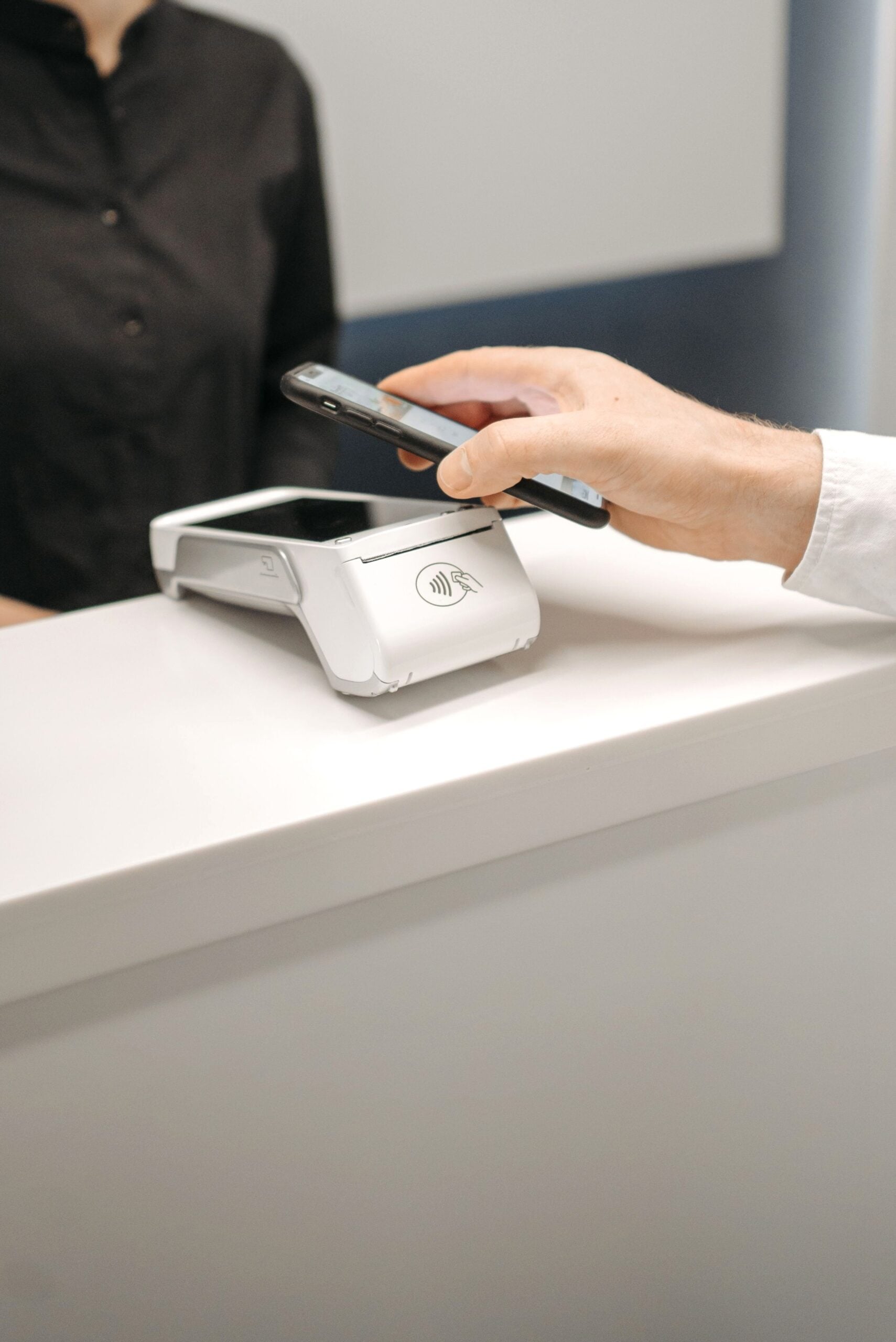
Often quietly working in the background, modern banking allows us to manage our finances using available technologies and to ultimately direct our future stability and well-being.
Banks in the Philippines, like top digital bank Maya Bank, offer several services and benefits that can support progress in your financial journey.
You can start by exploring a high-yield savings account like Maya Savings and goal-based savings features like those of Maya Personal Goals.
That said, achieving financial success still heavily relies on how you leverage banking to take control of your finances.
To that end, let’s explore better banking habits that can help you use banking services more intentionally and put you in a stronger position to manage your money with greater confidence.
1. Choose Banking Products That Match Your Financial Needs
Selecting accounts and services that align with one’s actual financial situation and goals is a fundamental habit many overlook.
Individuals often open accounts based on convenience, familiarity, or limited information, without considering whether those products truly support how they earn, spend, or save money.
The downsides may not be obvious at first, but over time, this mismatch can create friction and dissatisfaction.
This can come in the form of restricted access to funds, unnecessary fees, or limited functionality that complicates everyday transactions.
When chosen intentionally, banking products can simplify money management rather than add stress.
Understanding the features, benefits, requirements, and limitations of each type of account allows individuals to structure their finances more effectively.
Banking products should support financial routines, not dictate them.
2. Monitor Your Accounts Regularly
Regular account monitoring is a habit that strengthens financial awareness and prevents small issues from becoming significant problems.
Reviewing balances and transactions helps you stay informed about how your money is moving and whether your spending patterns actually match your goals.
Without consistent monitoring, errors or unauthorized charges may go unnoticed until they cause serious damage.
Beyond error detection, monitoring accounts supports better decision-making.
When you regularly engage with your financial activity, you gain a clearer understanding of your habits and patterns.
This insight can encourage more intentional choices, and it also helps maintain control over day-to-day finances.
Moreover, this habit will slowly build your confidence and reduce uncertainty around money management.
3. Use Digital Banking Tools Intentionally
Digital banking tools have transformed how individuals interact with their finances, providing on-demand access to account information and instant transactions.
While these tools offer convenience, their effectiveness depends on how deliberately they are used.
Relying on features like automation without fully understanding what they’re capable of can limit awareness and reduce their benefit for financial management.
Intentional use of digital tools involves actively reviewing information rather than passively receiving notifications, for one.
When you understand how tools function and how they support your financial goals, you’ll be able to respond more effectively to changes in account activity.
Using digital banking thoughtfully strengthens control and ensures that technology fosters financial clarity instead of replacing your personal oversight.
4. Keep Banking Fees from Eroding Your Finances
Banking fees can silently drain available funds when they are not clearly understood or regularly monitored.
Monthly maintenance fees, transaction charges, and penalties may seem insignificant individually, but they can add up and become meaningful expenses over time.
Many people accept these costs as unavoidable, even when alternatives may exist.
Awareness of fee structures empowers individuals to build better banking habits.
On your part, you’ll want to understand when fees apply and why they occur in order to avoid unnecessary charges and preserve more of your money.
Just in general, you’ll also want to reduce fee-related losses to improve your financial efficiency while reinforcing the habit of managing banking relationships with intention.
5. Maintain Clear Separation Between Spending and Saving
Next, setting up dedicated accounts for spending and saving is a practical habit that supports financial discipline and clarity.
When savings are kept in the same account as everyday spending money, it becomes easier to blur boundaries and make unplanned withdrawals.
If this happens frequently, it can undermine one’s long-term goals and slow down financial progress.
It’s a good idea to keep separate accounts for spending and saving to reinforce the purpose of either account and reduce temptation.
This clear separation allows you to track progress more accurately and maintain consistency in saving behavior.
Moreover, this structure makes it easier to evaluate spending decisions, since available funds reflect true discretionary capacity rather than combined balances.
6. Review and Adjust Banking Habits as Your Financial Situation Changes
Financial circumstances are not static, and banking habits should adapt accordingly. Changes in income, employment, goals, or personal responsibilities can affect how well existing accounts and routines support financial goals.
Continuing with outdated arrangements may reduce your flexibility and limit your control over your finances.
Review your banking habits regularly, and you can ensure that your financial setup remains effective and aligned with your current needs.
Informed adjustments made in response to life changes will help maintain efficiency while reducing unnecessary strain.
You’ll want to view your banking journey as an adaptable system if you want it to encourage proactive management and support long-term financial stability.
Indeed, banking is an indispensable institution in modern life.
It enables individuals to store funds securely, move money when needed, and access tools that support daily financial decisions, helping them build stability and shape their future.
With thoughtful product selection, intentional use, and consistent monitoring, it’s possible to effectively leverage today’s banking services and make meaningful and sustainable progress in your financial journey.
Do you have any better banking habits to share?
Drop a comment, below!
—Jennifer
PIN FOR LATER:

I’m a girl from the UK with a lot of thoughts who left the corporate rat race to be my own boss. A writer, reader, and old soul, I love untangling life’s complicated stuff. Whether I’m writing about home design or tricky finances, I bridge the gap between dense information and the real world. I research these topics to make them accessible, but I am a storyteller, not a professional advisor, so please always double-check your situation with an expert. I hope to inspire you every day, proving that life is a little less overwhelming when you have the right information.