A Weekend in Fruška Gora: Bermet, Baroque Streets and the Danube Beyond Novi Sad
A Weekend in Fruška Gora
Novi Sad surprises people who come expecting a smaller, quieter version of Belgrade. The Petrovaradin Fortress is bigger than they imagined. The old town is more charming. The café culture is stronger.
Then someone mentions that Sremski Karlovci is only twenty minutes away, and the vineyards and monasteries of Fruška Gora are even closer than expected.
Suddenly, a city break starts turning into a regional adventure.
That’s the appeal of spending a weekend in Vojvodina. Novi Sad may be the destination that gets you there, but it’s the surrounding towns, landscapes, and hidden experiences that make many visitors wish they had planned an extra day.
Novi Sad First: What to Understand Before Leaving the City
Novi Sad is a city that can absorb a full day without effort and still have things left over. The Petrovaradin fortress, “the Gibraltar of the Danube,” as the Habsburgs called it, sits on the right bank of the river.
It offers the kind of elevated view that sets up the geography of the whole region.
From the upper fortress, the floodplain stretches east toward Romania. The wooded spine of Fruška Gora rises to the northwest, and the river below moves with a weight and volume that surprises people who’ve only ever seen it on a map.
The old town below the fortress is Austro-Hungarian in texture and scale.
Baroque facades, café terraces on pedestrian streets, the Gallery of Matica Srpska with one of the more serious collections of Serbian classical painting outside Belgrade.
The place has a rhythm that doesn’t match the frantic weekend energy of Belgrade, which is part of its appeal.
The Tourism Organisation of Novi Sad reports that the city welcomed around 240,000 tourist arrivals and recorded more than 580,000 overnight stays in 2024, based on official data from the Republic Statistical Office of Serbia.
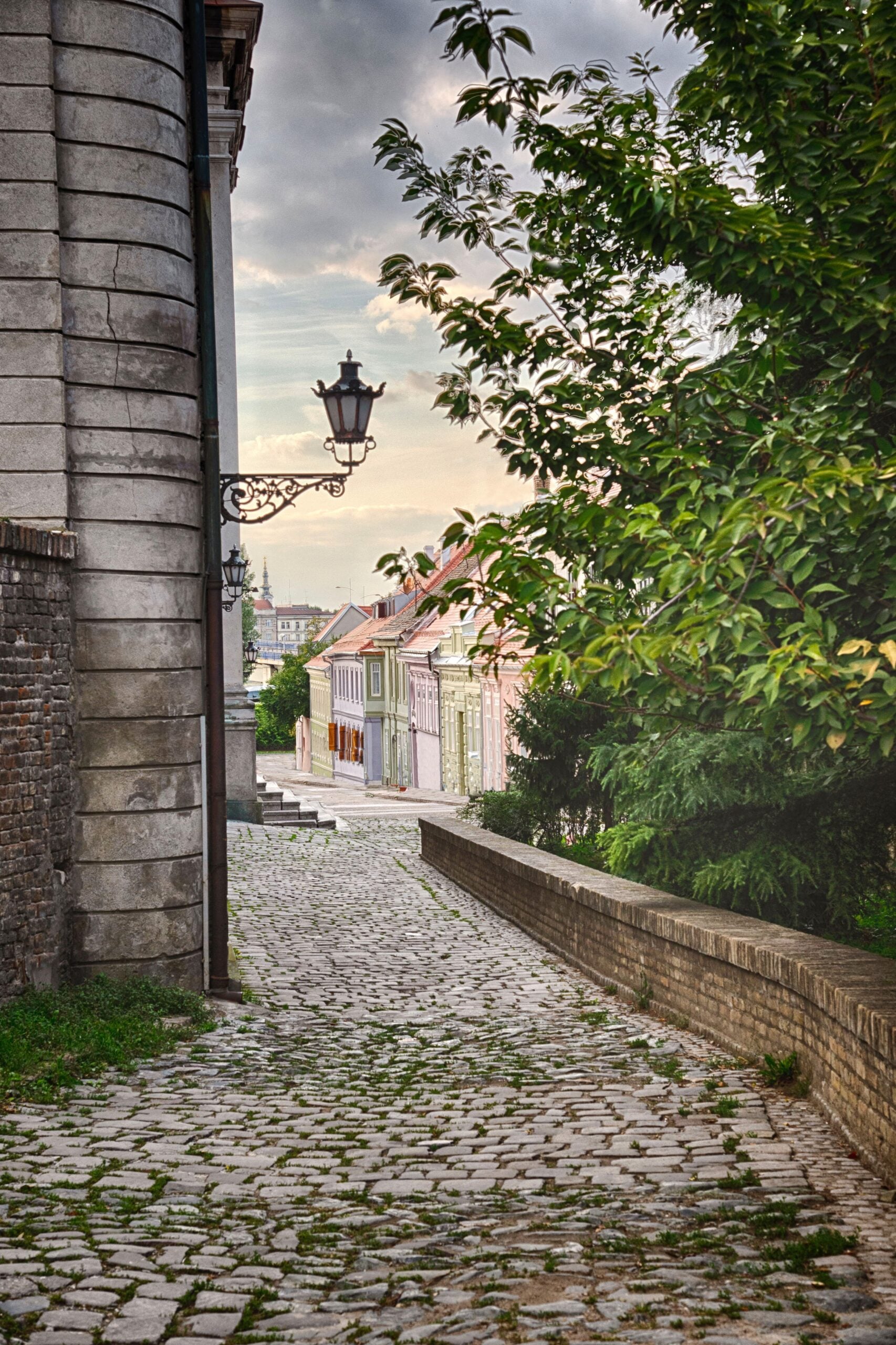
Sremski Karlovci: Baroque on the Vineyard Road
The road from Novi Sad to Sremski Karlovci runs along the Danube for most of its length and takes about twenty minutes.
Karlovci announces itself with a cluster of baroque buildings around the main square.
The Four Lions Fountain, the cathedral, the Orthodox gymnasium that has been educating students since 1791, that feel disproportionately grand for a town of this size.
The scale makes sense when you understand the history. Sremski Karlovci was the seat of the Serbian Orthodox Patriarchate for over two centuries. Peace treaties were signed here. The wine trade was substantial.
The built heritage reflects what this town once meant in the region, and it survived the twentieth century better than most comparable places.
Wine is the reason most people come now.
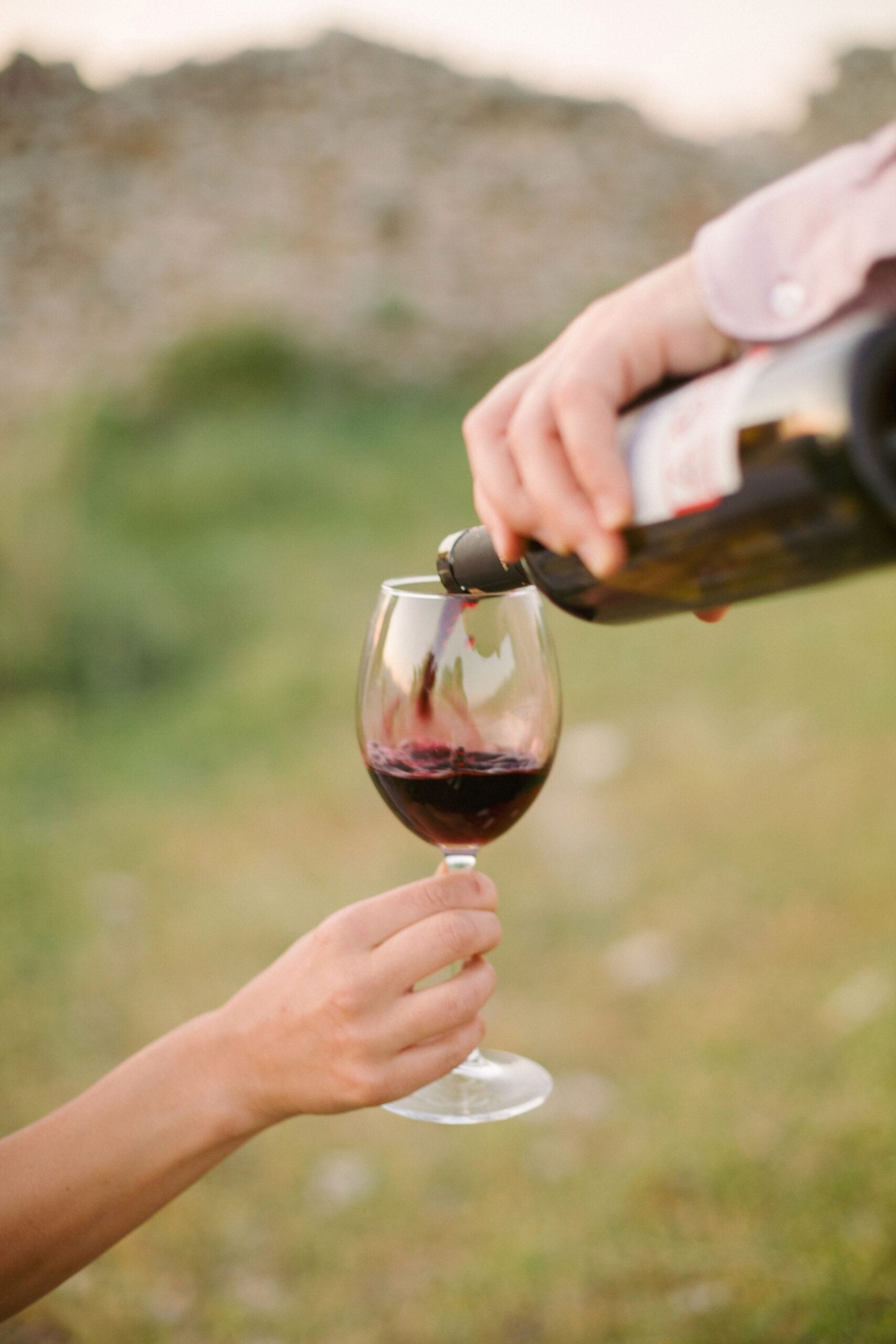
Sremski Karlovci is most associated with bermet, a fortified wine made from grapes grown on the Fruška Gora slopes.
It’s also aromatised with local herbs and spices according to recipes that date back to the eighteenth century.
The best place to encounter it is in one of the town’s older cellars, where the production and the setting are equally worth attention.
Fruška Gora: The Mountain Between the Rivers
Fruška Gora stretches for about 80 kilometres between the Danube and the Sava and is Serbia’s oldest national park.
Its biggest draw lies in the combination of two experiences that have shaped the region for centuries: historic monasteries and renowned vineyards.
What makes Fruška Gora worth visiting:
- Historic monasteries: Sixteen Orthodox monasteries, including Krušedol, Grgeteg, Jazak, and Novo Hopovo, are spread across the hills and are often referred to as the “Serbian Mount Athos.”
- A respected wine region: The south-facing slopes produce Bermet, Graševina, Riesling, and several indigenous grape varieties that reflect the area’s long winemaking tradition.
- Wineries for every visitor: From small family-run cellars to established wineries with tasting rooms, there’s a wide range of experiences to choose from.
Together, the monasteries, vineyards, and peaceful landscapes give Fruška Gora a character all its own. It’s an easy addition to a Novi Sad itinerary and one of the region’s most rewarding day trips.
Sremski Karlovci and the Fruška Gora Slopes
Sremski Karlovci and the Fruška Gora slopes work best when the day is left slightly open. One cellar can turn into two, lunch can run long, and Petrovaradin is worth adding before heading back.
For visitors based in the capital, planning a wine-country day from Belgrade mostly comes down to timing.
For example, how many cellars fit before a long lunch, and whether the drive back happens before or after sunset over the Danube.
There is no need to rush from one stop to the next.
Some of the best moments come from lingering over a wine tasting, taking in the views across the vineyards, or making an unplanned stop at a monastery or local café along the way.
A flexible itinerary often turns out to be the most rewarding one.
Petrovaradin: The Fortress That Changes After Dark
Petrovaradin sits directly across the river from Novi Sad’s old town, connected by the Varadin Bridge. The fortress complex is enormous, one of the largest in Central Europe.
Most visitors only see the upper portion, with the clock tower and the observation terrace.
The underground galleries beneath the fortifications, eight kilometres of tunnels on multiple levels, require a guided visit but are worth organising.
The fortress hosts the EXIT Festival each July, one of the larger music events in the Balkans. The rest of the year it operates at a different pace.
A small community of artists and craftspeople has studios in the casemates.
There are restaurants and a hotel within the walls, and the view across the river to Novi Sad’s skyline at dusk is among the more quietly impressive things the region offers.
When to Go and How Long to Stay
The best time to visit depends on the experience you’re after, but each season offers something different.
- September to October: Harvest season brings vineyard activity, wine events, and the best atmosphere for exploring Fruška Gora’s wineries.
- Spring: Mild weather and lush greenery make it an excellent time to visit the monasteries and enjoy scenic drives or walks.
- Summer: The busiest season, with lively cafés, winery tours, and the internationally known EXIT Festival in Novi Sad.
For most visitors, two nights in Novi Sad is the ideal itinerary, allowing one day to explore the city and another for Sremski Karlovci and Fruška Gora.
If your schedule allows, adding a third day gives you more time to enjoy Petrovaradin Fortress and explore the region at a more relaxed pace.
Final Thoughts
The Novi Sad-Fruška Gora-Karlovci triangle is one of those combinations where the individual parts already justify the journey and the whole is better than any of them separately.
The baroque towns, the monasteries, the wine, the fortress, the Danube at various points and moods: it adds up to something that rewards being taken slowly, which is exactly what a weekend is for.
Are you considering a weekend in Fruška Gora?
Let me know!
Drop a comment, below!
—Darren
PIN FOR LATER:
I traded a desk for a backpack at 30 to see all 195 countries. I’m not just checking boxes; I’m finding the heartbeat of every nation. From off-the-beaten-path gems to world wonders. Follow my quest to see it all.