Are Divorce Records Confidential After Divorce?
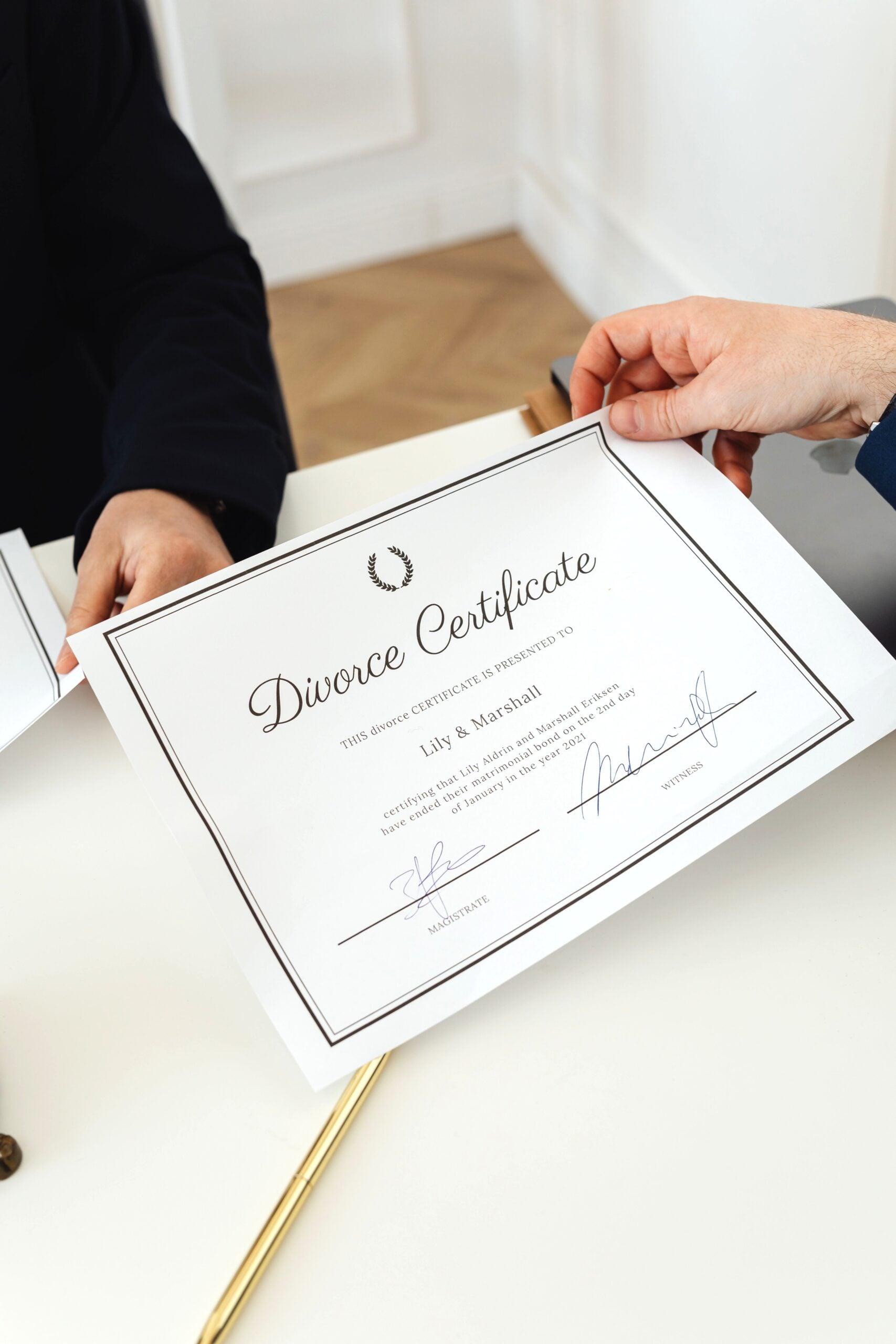
Are Divorce Records Confidential?
Divorce and its long-term effects impact thousands of families across the United States every single year.
In fact, more than 670,000 divorces and annulments occur annually, which averages out to about 2.4 divorces for every 1,000 people.
With the rise of digital court records, privacy has become a major concern for anyone going through this process. Many people worry about their private information being easily searchable on the internet.
Efforts to seal or protect the content of these files to prevent plain disclosure on the internet have been met by increased interventions, particularly from the public.
Are divorce records confidential? A very common misconception is that all records related to your divorce proceedings automatically become confidential once the marriage is legally over.
In reality, unless a judge issues a specific court order to seal the file, your divorce records remain open to the public in most states.
How much information is available depends entirely on where you live.
While some state laws protect highly sensitive details like specific financial records, ongoing medical treatments, or information about minor children, others leave the file widely accessible.
For anyone recovering from a divorce, it is vital to understand what stays public and how you can protect your privacy.
What Divorce Records Are and What They Contain
A divorce record is not just a single piece of paper. It is an entire folder of court documents created throughout the lifecycle of your case.
This file includes financial disclosures, custody agreements, parenting plans, asset valuations, and the final divorce decree.
While some documents are much more sensitive than others, they are generally kept in the same public court file and fall under the same public access rules.
For most people, financial disclosures cause the biggest privacy concerns. In many divorce cases, especially those involving significant assets, both parties must submit sworn financial statements.
These documents list exact income, debts, assets, and monthly expenses, exposing personal details that would never show up in any other public document.
Custody agreements and parenting plans can also expose an incredible amount of personal data.
If these details are left open in the file, anyone can look up a child’s school district, weekly activity schedules, medical history, and physical address.
No matter your specific circumstances, navigating these sensitive documents requires careful guidance.
According to Myrtle Beach divorce lawyer Heather M. Moore, Esq., if you are going through this process, it is highly important to find a qualified divorce attorney who can properly represent your interests from the start.
How Public Access Actually Works
Because divorce files are generally considered public information, anyone can usually view them. In the past, this meant physically walking into the courthouse where the case was processed to request the physical file.
Today, many local courts have moved their case management systems online, making access much more direct and convenient.
Before releasing a file to the public, court clerks in most states will routinely redact certain categories of highly sensitive data.
Social Security numbers, bank account numbers, and other identifying details that could lead to identity theft are typically removed.
However, this automated redaction process rarely hides the actual dollar amounts.
A redacted document will strip away the account numbers or the specific name of a financial institution, but it will leave the asset values, balance amounts, and settlement figures completely visible.
If someone knows the exact county where a divorce was filed, they can easily look up the final settlement, the custody schedule, and every contested issue in the case.
The worst part is that the divorced parties will never even know that someone looked at their file.
The Process for Sealing Divorce Records
Courts do not automatically seal documents just because one or both parties prefer privacy. To seal a divorce record, you must file a formal motion with the court and prove that you have legitimate, compelling grounds to do so.
The legal burden of proof is high.
You must demonstrate that making your records public will cause direct, serious harm that completely outweighs the public’s general right to open court data.
Judges will occasionally approve a motion to seal in specific situations, including:
- Cases involving minor children: If public exposure of identifying information creates a genuine safety risk for the kids.
- Cases involving domestic violence: If revealing a survivor’s new home address, daily routine, or financial status puts them in danger of stalking or harassment.
- Cases involving trade secrets: If public access to business valuations or corporate financial records gives commercial competitors an unfair advantage.
- High-profile cases: If a judge determines that intense public interest is directly outweighed by an extreme invasion of personal privacy.
It is worth noting that courts are far more likely to grant a partial sealing order rather than hiding the entire file.
This means the judge might seal your detailed financial disclosures but leave the final divorce decree open for public review.
The best strategy is always to identify the exact documents you want to protect and ask for them to be sealed individually.
What Automatic Protections Exist Without Sealing
You do have a few automatic privacy protections even without a formal sealing order. For instance, all 50 states have adopted the Uniform Child Custody Jurisdiction and Enforcement Act (UCCJEA).
This act allows a parent to mark a child’s residential address as confidential on custody paperwork if there are valid safety concerns.
Many states also run address confidentiality programs for domestic violence survivors.
These programs provide a substitute post office box that can be safely used on court filings instead of a physical home address.
Property transfers are handled differently. If real estate changes hands as part of a divorce settlement, the new deed is recorded in the county property records rather than the family court file.
These property records are entirely separate, completely public, and are not covered by a divorce sealing order.
On the bright side, financial accounts moved via court order are handled directly through your banking institution.
So those specific transfer details rarely show up in public databases outside of the initial court order.
Protecting Privacy During the Divorce Process
The single best time to protect your privacy is before your documents ever become a part of the permanent record.
You can use several strategies right from the beginning of your case to limit what gets filed publicly:
- Mediation and Negotiated Settlements: Resolving your divorce through mediation allows you to craft private confidentiality agreements around your assets and business interests before submitting the bare minimum to a judge for final approval.
- Collaborative Divorce: This approach keeps the messy back and forth arguments completely off the court docket. Only the final, polished agreement is filed publicly, keeping the dispute paperwork private.
- Early Protective Orders: Filing a request for a protective order at the very start of your case is much more effective than trying to claw back and seal documents that have already been open to the public.
Courts also tend to approve mutually agreed-upon protective orders much faster than contested requests, so alignment with your spouse on privacy can speed up the legal process.
Frequently Asked Questions
Can anyone access my divorce records online?
When divorce records in the state are open, access to them may depend on factors such as the digitization of the court’s files and whether the records are available on the court’s official website or through private aggregators.
Many counties have embraced the concept of electronic filing and the case documents could be accessible remotely.
There are some courts that provide basic information about the cases but then require that one visit physically to access all the documents.
Does the divorce decree contain different information than the rest of the file?
The divorce decree is the final order of the court and typically contains such provisions: the division of assets, child support and alimony, arrangements for the custody of minor children, and the grounds for decreeing the dissolution. The rest of the case file, including financial disclosures and supporting papers, often carries more detailed financial material.
Can I prevent my ex-spouse from sharing information from our divorce records?
If the information is sitting in the public court docket, then usually anyone who can access it can share it. Confidentiality language in a divorce settlement does not prevent third parties from accessing public records.
How do I find out if my state’s divorce records are public?
The speediest possible method would be to pick up the phone or simply write an email to the clerk at the court where the marriage was tried and inquire if there is any public material besides the family law files.
It is also worth checking with the National Center for State Courts. The center manages a database of all states’ public access guidelines.
If you want the most exact answer, a family law attorney in your state can explain what parts of your divorce file are open and what possible options there are for reducing or limiting access in practice.
Take Affirmative Steps to Secure Your Privacy
In the vast majority of US states, the general public can easily access your divorce records even long after your case is completely settled. .
This openness means your sensitive financial data, assets, and parenting schedules could be viewed by anyone.
It is also important to remember that privacy laws vary wildly by location.
For example, New York strictly limits public access to divorce files, while California presumes they are open.
If you finalized a divorce in California and later moved to New York, your records remain subject to California’s open access rules.
If you have genuine privacy concerns, the best time to act is right now while your proceedings are still active.
Do not leave your personal life exposed to the public internet.
The best first step to take is to contact a trusted local family law attorney to explore your options for a private, protected transition.
Are you concerned if your divorce records are confidential or not after a divorce?
Drop a comment, below!
—Jennifer
PIN FOR LATER:

I’m a girl from the UK with a lot of thoughts who left the corporate rat race to be my own boss. A writer, reader, and old soul, I love untangling life’s complicated stuff. Whether I’m writing about home design or tricky finances, I bridge the gap between dense information and the real world. I research these topics to make them accessible, but I am a storyteller, not a professional advisor, so please always double-check your situation with an expert. I hope to inspire you every day, proving that life is a little less overwhelming when you have the right information.