How to Start a Meaningful Miniature Building Hobby With Your Kids This Weekend
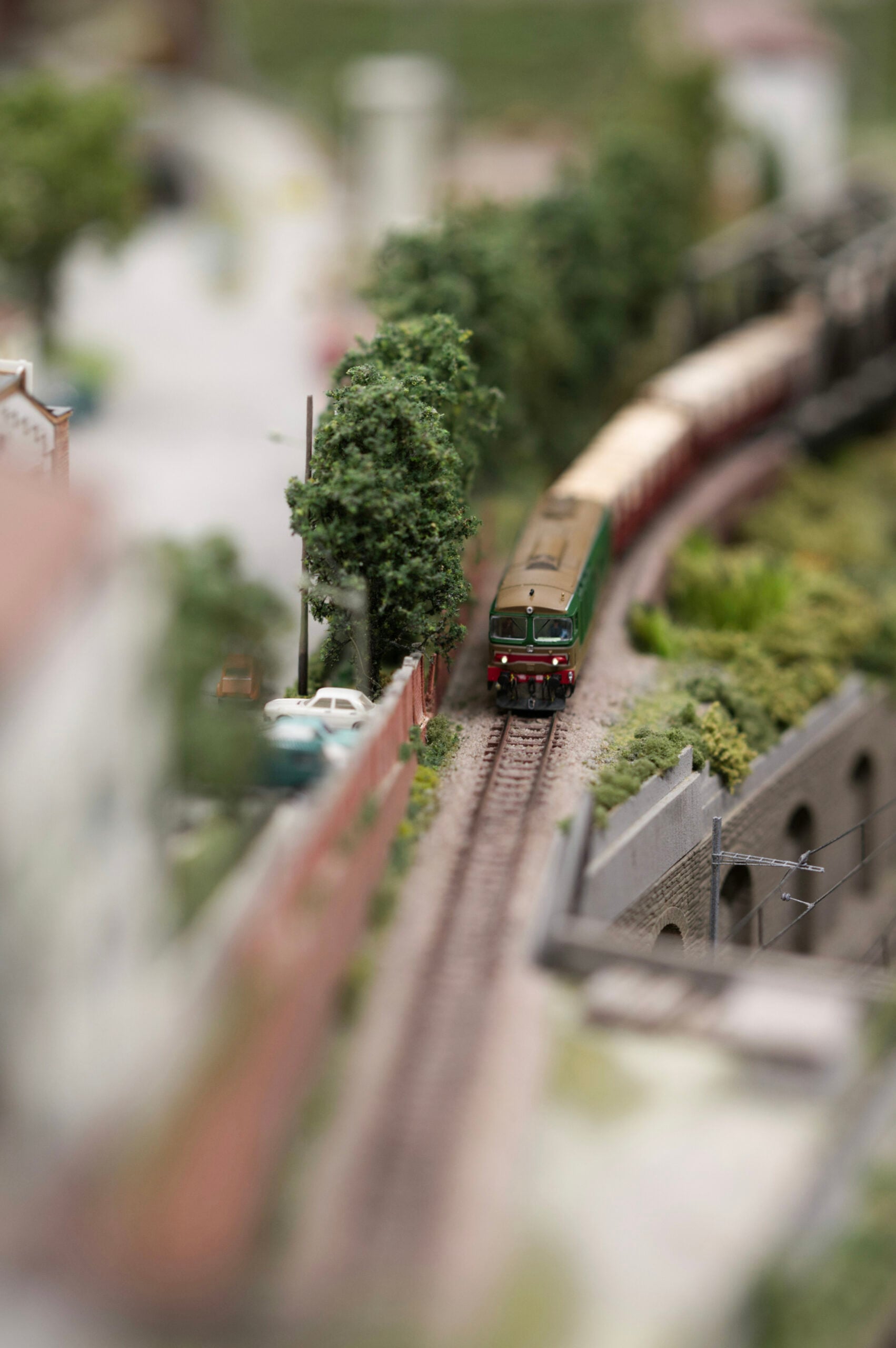
How to Start a Miniature Building Hobby
Looking for a weekend activity that actually holds your kids’ attention beyond the first twenty minutes?
Something that’s fun, encourages creativity, and results in a finished project they’re genuinely proud of instead of another half-completed craft tucked away in a drawer?
Wooden miniature kits might be exactly what you’re looking for.
They combine the hands-on satisfaction of building something real with creative detail work that keeps children engaged from start to finish.
Along the way, kids develop patience, problem-solving skills, and fine motor coordination, all while enjoying quality time away from screens.
Best of all, the finished miniature becomes something they can proudly display on a shelf and admire long after the weekend is over.
If you’re looking for an activity that’s both entertaining and rewarding, here’s how to start a miniature building hobby this weekend.
Why Wooden Miniatures Work So Well With Kids
The appeal is straightforward when you think about it from a child’s perspective. Unlike most craft activities that are over in an hour, a miniature kit gives kids a project that develops over time.
A book nook that becomes a tiny library, a miniature house with real furniture, a 3D wooden puzzle that becomes a structure they assembled themselves.
The tactile element matters too. Kids who are used to screens respond differently when something requires their hands to work precisely.
There’s a focus that comes with placing tiny pieces into exact positions that most digital activities don’t replicate.
Research published through the American Journal of Occupational Therapy confirms that fine motor skill activities, those requiring precise hand movement and eye-hand coordination, support cognitive development in children and contribute meaningfully to attention and problem-solving capacity.
A well-chosen miniature kit exercises exactly these skills, in a context that feels like play rather than practice.
Choosing the Right Kit for Your Child’s Age and Patience
The single most important decision is matching the kit complexity to where your child actually is, not where you’d like them to be.
Ages 6 to 8 do best with larger-piece 3D wooden puzzle kits, structures or characters that fit together without tiny components, painting, or detailed placement. These are completable in a single session and deliver the satisfaction of a finished object quickly.
Ages 9 to 12 can handle more complexity. Entry-level book nooks and smaller miniature house kits with defined component counts are a good match. These typically take two to three sessions spread across a weekend and reward patience without pushing beyond it.
Ages 12 and up can tackle full miniature house kits with furniture assembly, optional LED lighting, and detailed decorative elements. These are genuine multi-session projects and some of the most impressive-looking results available in the format.
When in doubt, go simpler. A child who finishes something and wants to start another one has had a better experience than one who got frustrated halfway through something too advanced.
What You’ll Need to Get Started
Beyond the kit itself, the setup is minimal. Most kits come with the basic tools needed. What genuinely helps:
- A clean, flat work surface with good lighting
- Small tweezers for placing tiny components
- White craft glue if the kit doesn’t include adhesive
- Acrylic paints and fine brushes for kits with painting elements
- A small cutting mat to protect the table
Keep the workspace dedicated to the project while it’s in progress. Miniature components are small enough to lose, and having everything in one place makes picking up and continuing between sessions much easier.
Where to Find Good Kits
Not all miniature kits are equal, and quality varies more than the price suggests. The differences that matter:
- Precision of the laser-cut pieces: they should fit together cleanly without forcing
- Clarity of instructions: visual step-by-step guides work far better than text-heavy sheets for kids
- Component count accuracy: reputable kits include everything described
For families ready to explore the full range of what’s available across book nooks, miniature houses, and 3D wooden puzzles for different ages and skill levels, visit wood-miniatures.com to browse kits with clear skill-level guidance and detailed product descriptions that make choosing the right starting point much easier.
Making It a Weekend Project
Structure helps. Here’s a simple approach that works for most families:
Saturday morning: Open the kit together. Sort the pieces, read through the instructions before starting, and complete the structural framing. This gives kids a visual sense of what they’re building before the detail work begins.
Saturday afternoon or evening: Continue with room or section building. This is where most of the satisfying detail work happens.
Sunday: Finishing touches, painting if included, any lighting installation, and placing the completed piece wherever it’s going to live.
Building alongside your child rather than directing from a distance changes the experience significantly. It becomes a shared project rather than an activity to occupy them, and the conversation that happens around a shared task is one of the better things a weekend can produce.
What Happens After the First Kit
This is the pleasant part for parents: miniature kits are one of those rare hobbies that kids want to continue.
The first completed book nook or miniature house becomes the reference point for the next one, slightly more complex, slightly more ambitious.
The hobby scales naturally with age and skill.
Children who start with puzzle-style builds at eight often progress to detailed miniature houses by eleven or twelve, with the full range of skills they developed along the way.
Final Thoughts
A wooden miniature kit makes a good weekend activity for the same reason it makes a good gift.
It requires real engagement, produces something lasting, and delivers the kind of focused creative satisfaction that kids don’t get from most screen-based activities.
Start with the right difficulty level, set up a dedicated workspace, and build alongside your child rather than supervising from across the room.
The finished result will be sitting on a shelf long after the weekend is over.
Have you ever thought of starting a miniature building hobby?
Sound off, below!
—Jennifer
PIN FOR LATER:

I’m a girl from the UK with a lot of thoughts who left the corporate rat race to be my own boss. A writer, reader, and old soul, I love untangling life’s complicated stuff. Whether I’m writing about home design or tricky finances, I bridge the gap between dense information and the real world. I research these topics to make them accessible, but I am a storyteller, not a professional advisor, so please always double-check your situation with an expert. I hope to inspire you every day, proving that life is a little less overwhelming when you have the right information.