What to Know Before Getting Dental Veneers
Getting Dental Veneers?
Veneers are one of the most talked-about cosmetic dental treatments, and it’s easy to see why. A set of well-made dental veneers can brighten a smile, close small gaps and smooth out chips in just a few visits.
They’re also a long-term commitment.
A little homework before you book means you’ll walk into your consultation with the right questions and come out with a result that looks like your own teeth, only brighter.
Here’s what you need to know first.
What Veneers Are and How They Work
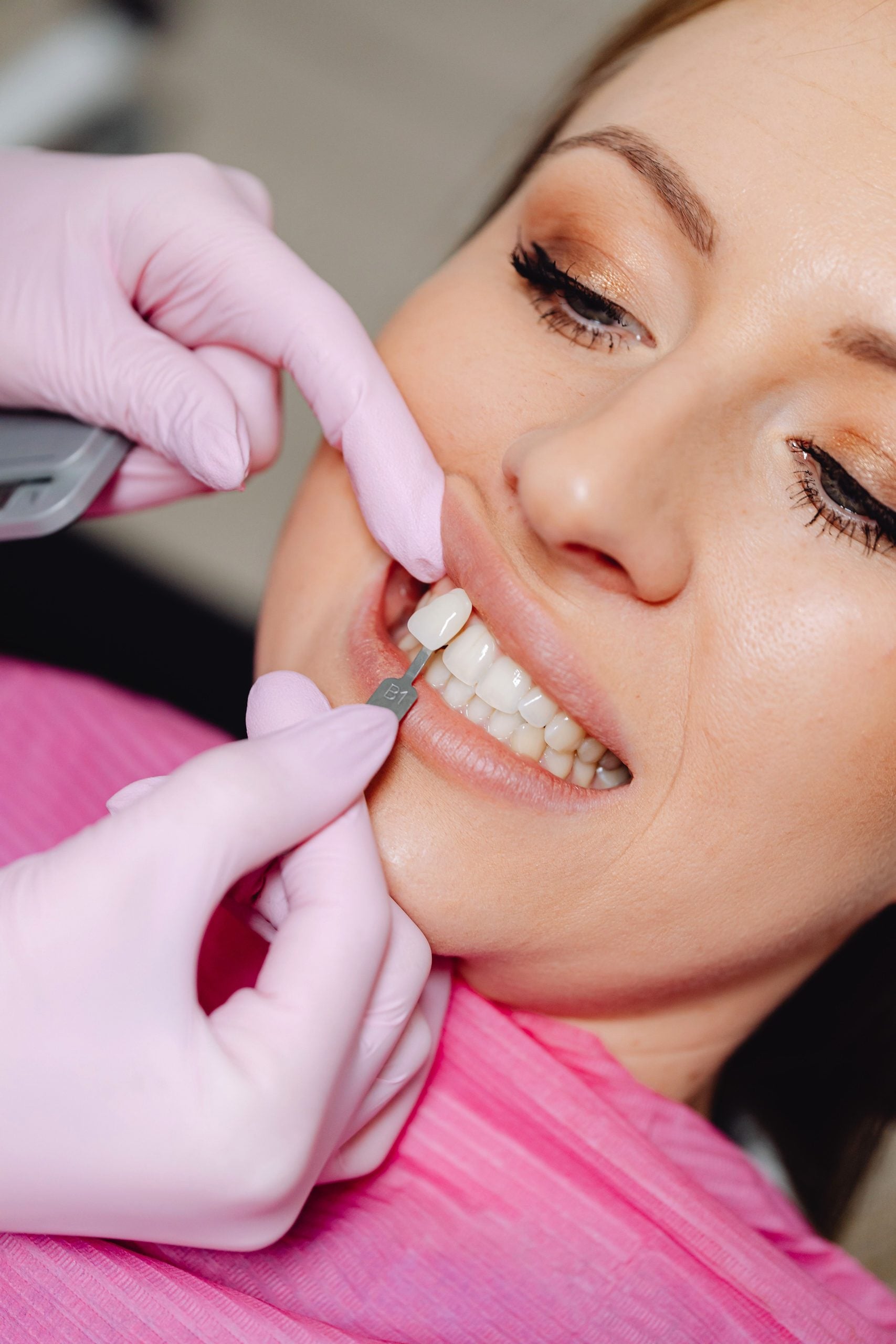
A veneer is a thin, custom-made covering bonded to the front of a tooth. According to the Oral Health Foundation, veneers are used for discoloured, chipped or worn teeth, small gaps and teeth that are uneven in shape or size.
To make room for the veneer, a dentist usually removes a small amount of enamel from the front of the tooth.
The American Dental Association notes that because enamel is removed, treatment isn’t reversible.
That said, the NHS points out that not every veneer needs drilling, so it’s worth asking how much preparation your plan involves.
Porcelain or Composite: Choosing a Material
Veneers come in two main materials, and each has its strengths:
- Porcelain: Strong, long-lasting and natural-looking, though usually the more expensive option.
- Composite: May need less enamel removed and fewer appointments, and is easier to fix if damaged, but it’s less resistant to staining and wear.
The right choice depends on your teeth, your budget and how long you want the result to last. If alignment rather than colour or shape is your main concern, ask whether orthodontic treatment might be a better first step.
What Makes Veneers Look Natural
The best veneers simply look like healthy teeth. A few details make the difference:
- Shade: A natural shade suits your skin tone and isn’t whiter than the whites of your eyes.
- Shape and proportion: Teeth vary in size and shape, so veneers designed around your face and smile line look far more convincing than a one-size-fits-all set.
- Thickness and translucency: Thin dental veneers that let light pass through, as enamel does, avoid a flat or bulky look.
- Fit: A tiny space left between teeth keeps the result looking natural and makes flossing easy.
Many cosmetic dentists start with a trial smile, a temporary mock-up that lets you see and feel the new shape before anything permanent is made.
This guide to natural looking veneers explains how shade, shape and translucency come together.
Questions to Ask at Your Consultation
A good consultation is a two-way conversation. These questions will help you understand the plan:
- Assessment: Will you check my teeth and gums fully before recommending veneers?
- Material: Which material suits my teeth, and why?
- Preview: Can I see a trial smile or mock-up first?
- Visits: How many appointments will I need, including follow-ups to fine-tune my bite?
- Cost: What’s the total cost, and is any of it covered by my plan?
- Aftercare: How should I look after my veneers, and how often will you check them?
The question about visits matters more than many people expect.
The Oral Health Foundation explains that a perfect bite often takes repeat visits and adjustments, so choosing a dentist you can easily return to pays off.
Cost is worth raising early too. Veneers are considered cosmetic, so dental insurance may not cover them unless they’re deemed medically necessary.
Asking for a written estimate keeps everything clear from the start.
Caring for Veneers Long Term
With good care, veneers can last many years. Caring for them is much like looking after natural teeth:
- Brush twice a day and floss daily.
- Keep up with regular check-ups and cleanings.
- Avoid using your teeth as tools or biting very hard objects.
If a veneer wears over time, your dentist can re-bond, repair or replace it. Healthy gums and teeth underneath also matter, since your smile is closely linked to your whole-body health.
The Bottom Line
Veneers can give you a confident, natural-looking smile when they’re planned carefully. Take your time, bring your questions to a consultation and choose a dentist who designs the result around your face and your goals.
A thoughtful plan now means a smile you’ll enjoy for years to come.
Have you ever considered dental veneers?
Sound off, below!
— Dr. Drayman
PIN FOR LATER:

I am a retired GP that is passionate about health, parenting, and helping others. I am a grandparent to 3 amazing little boys and mama to 2 incredible women.