Straight Teeth, Healthy Habits: Protecting Your Mouth During Orthodontic Treatment
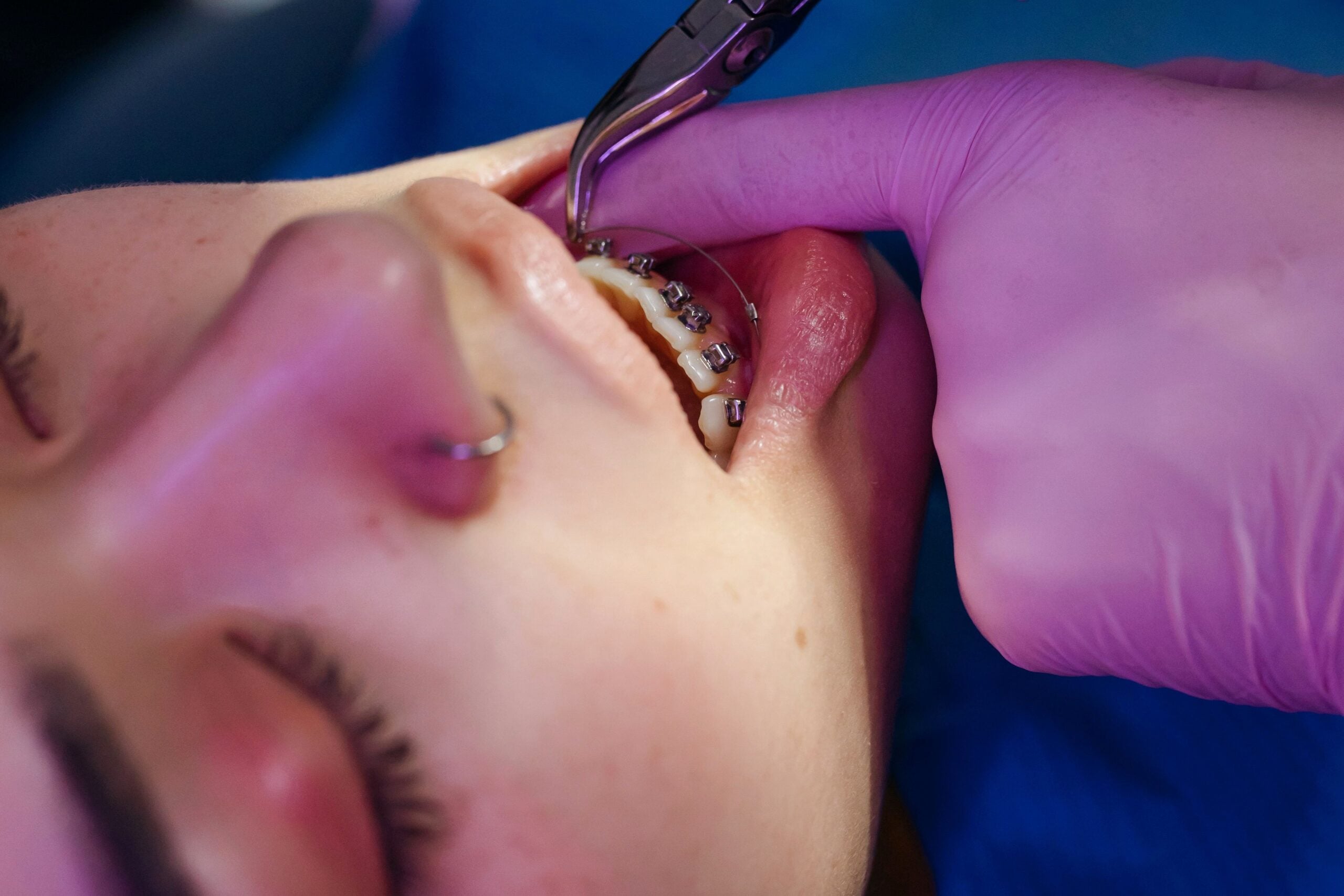
Protecting Your Mouth During Orthodontic Treatment
Orthodontic treatment changes more than the position of teeth. Braces, aligners, retainers, and other appliances also change how people brush, floss, eat, and monitor their mouths.
A treatment plan may be carefully designed, but daily oral hygiene still plays a major role in keeping teeth and gums healthy while that plan progresses.
That makes orthodontic care a useful time to become more deliberate about oral health. The goal is not simply to reach the end with straighter teeth.
It is to arrive there with healthy enamel, comfortable gums, good cleaning habits, and a realistic plan for maintaining the result.
Choose Orthodontic Care With the Entire Mouth in Mind
Moving teeth is a clinical process that requires ongoing assessment, but a good orthodontic experience also keeps everyday oral health in view.
Patients need to understand their treatment, know how to clean around appliances, and feel comfortable raising concerns when something changes.
For patients who value continuity and personalized oversight, Dr.Squires orthodontic care reflects a hands-on approach in which the orthodontist remains involved throughout treatment.
Dr. Taylor Squires is board-certified and has advanced training in clear aligners, airway-friendly care, and digital orthodontics, bringing those areas of expertise into individualized treatment planning.
That relationship matters because orthodontic appointments are not merely adjustment stops.
They are opportunities to discuss cleaning difficulties, appliance problems, changes in the bite, and habits that could affect progress.
Clean Around Braces With More Precision
Brackets and wires create additional surfaces where plaque and food can collect. Brushing quickly across the front of the teeth may leave buildup around bracket edges and near the gumline.
Use a soft-bristled toothbrush and fluoride toothpaste, working carefully around every bracket and along the gums. Angling the brush from different directions can help reach areas above and below the hardware.
An interdental brush may also be useful for spaces that a conventional toothbrush struggles to reach.
Take enough time to inspect the result.
If certain areas repeatedly remain difficult to clean, ask the dental or orthodontic team to demonstrate techniques or tools that suit the appliance rather than simply brushing harder.
Make Interdental Cleaning a Daily Priority
Cleaning between teeth can become more complicated with fixed braces because the wire limits the normal movement of floss. Complicated, however, does not mean optional.
Floss threaders, orthodontic flossers, interdental brushes, or water flossers may make the routine more manageable.
The most appropriate choice depends on the appliance, spacing, dexterity, and professional recommendations.
The important habit is consistency. Plaque between teeth and around the gumline can contribute to decay and gum inflammation even when the visible front surfaces look clean.
Patients using removable aligners still need careful interdental cleaning.
Aligners cover the teeth for long periods, so putting them back over teeth that have not been cleaned can trap an undesirable environment against the enamel.
Keep Aligners and Retainers Clean Too
Removable appliances need their own hygiene routine. A freshly brushed mouth does not stay particularly fresh if a dirty aligner or retainer immediately goes back into it.
Follow the cleaning instructions provided for the specific appliance.
Rinsing, gentle cleaning, and appropriate storage help prevent buildup and odors. Avoid improvising with very hot water or harsh products that could damage or distort the material.
When aligners are removed for meals, store them in their case rather than wrapping them in a napkin or placing them loose on a table.
This reduces contamination and also lowers the chance of accidentally throwing them away.
Think About What Frequent Snacking Does to Teeth
Orthodontic treatment is a good reason to reconsider grazing throughout the day. Frequent exposure to sugary foods and drinks gives oral bacteria repeated opportunities to produce acids associated with tooth decay.
With braces, sticky and hard foods can also create mechanical problems by damaging brackets or wires. Follow the food guidance given by the orthodontic team.
Aligner users face a different practical issue. Because aligners generally need to be removed for eating and teeth should be cared for before reinsertion, constant snacking can make the routine cumbersome.
Structured meals and sensible snacks can make oral hygiene easier while reducing repeated exposure to sugar.
Watch the Gumline for Early Changes
Gums can reveal when cleaning needs improvement. Persistent redness, swelling, tenderness, or bleeding should not simply be dismissed as an unavoidable part of orthodontic treatment.
Appliances can make plaque control more demanding, which is why attention to the gumline matters.
Continue gentle, thorough cleaning rather than avoiding an area solely because it bleeds, and seek professional advice if symptoms persist.
Regular dental checkups remain important during orthodontic treatment. The orthodontist manages tooth movement and the appliance, while routine dental care continues to address broader oral-health needs such as preventive care and assessment for decay or gum problems.
Know Which Appliance Problems Need a Call
A loose bracket, broken wire, lost aligner, or damaged retainer can interrupt treatment, but not every problem has the same urgency.
Patients should know how their orthodontic office wants these situations handled.
Contact the practice when an appliance breaks or something feels significantly wrong rather than waiting until the next scheduled visit. The team can determine whether an earlier appointment is necessary and provide appropriate instructions.
Severe pain, significant swelling, facial trauma, uncontrolled bleeding, or other concerning symptoms may require more urgent professional assessment. Avoid attempting complicated repairs yourself.
Having the office’s contact information readily available makes it easier to respond appropriately when a problem happens outside the normal routine.
Protect the Result After Active Treatment Ends
The day braces come off or the final aligner is completed is not the end of orthodontic care. Teeth can shift after treatment, which is why retention is a crucial part of preserving the new alignment.
Wear retainers according to the prescribed schedule and keep them clean.
Store removable retainers safely when they are not being worn, and report damage or fit changes rather than forcing an appliance that no longer sits correctly.
This stage is also an opportunity to simplify oral hygiene. Without brackets and wires, brushing and flossing may feel easier, but the habits developed during treatment should remain.
A straight smile is most valuable when the teeth supporting it remain healthy.
Orthodontic treatment can actually strengthen long-term oral habits because it requires patients to become more observant about cleaning, food choices, appliance care, and changes in their mouths.
The best outcome is therefore broader than alignment alone.
It is a smile supported by healthy gums, protected enamel, consistent preventive dental care, and habits that continue long after active treatment has finished.
Do you have any more tips for protecting your mouth during orthodontic treatment?
Drop them, below!
—Dr. Drayman
PIN FOR LATER:

I am a retired GP that is passionate about health, parenting, and helping others. I am a grandparent to 3 amazing little boys and mama to 2 incredible women.