First Frost to First Snow: A North Okanagan Fall Yard and Home Prep Calendar
Start North Okanagan Fall Yard and Home Prep?
When does the first frost actually arrive in the North Okanagan, and how much time do you really have before winter sets in?
For homeowners in Armstrong, BC, that window can feel surprisingly short, making early preparation more important than simply waiting for the first cold morning.
Frost can arrive while gardens are still producing, outdoor projects are unfinished, and the last traces of summer are still around the yard.
Knowing the typical timing of first frost and the transition toward colder, wetter conditions gives homeowners a useful planning window.
With a little preparation before temperatures begin dropping consistently, it becomes much easier to protect outdoor spaces, finish seasonal tasks, and head into winter without a last-minute scramble.
Why Timing Genuinely Matters More Here Than Elsewhere
It helps to understand just how much earlier the North Okanagan’s fall arrives compared to nearby communities.
According to Environment and Climate Change Canada’s official Climate Normals, northern, higher-elevation Okanagan communities away from the lake consistently show earlier fall frost onset and shorter growing seasons than lakefront cities like Kelowna.
This government long-term climate dataset highlights how much Okanagan Lake moderates temperatures in neighboring areas.
Local frost-date compilations built from these government normals put Armstrong’s average first fall frost around September 22, roughly two weeks earlier than Kelowna’s early-October average.
That gap matters because it means fall prep timelines built around general BC or Kelowna advice genuinely don’t apply here.
Armstrong sits in hardiness zone 5a with a growing season of roughly 133 days, considerably shorter than lakefront communities just south, which is exactly why a dedicated local calendar matters.
Late September: Right After First Frost
The days immediately following that first frost are genuinely the best window to get ahead of the season:
- Drain and store garden hoses, since a hose left connected can crack once temperatures dip below freezing overnight
- Bring in or cover sensitive potted plants, moving anything tender indoors or into an unheated garage before a harder freeze hits
- Harvest remaining tender vegetables, tomatoes, peppers, and squash won’t survive much beyond this point
- Clean and store garden tools, since damp tools left out over winter genuinely rust considerably faster
Getting through this list within the first week or two after frost hits genuinely sets the tone for a much smoother transition into the rest of fall.
Early October: The Core Prep Window
This is really the heart of the fall prep season, when most of the significant yard and home work genuinely needs to happen.
Lawns benefit from one final fertilization application during this window, giving roots the nutrients they need to survive winter dormancy and green up faster come spring.
Gutters need a thorough clearing before leaves fully compact and freeze into place, since a clogged gutter combined with an early freeze-thaw cycle can genuinely cause ice damming against the roofline.
For homeowners tackling these early October tasks, stopping by Shepherd’s Outdoor Living Centre in Armstrong, BC can be a convenient way to pick up the yard equipment and outdoor supplies needed before winter arrives.
Their outdoor living centre carries everything from yard equipment and patio blocks to snow-clearing supplies and fireplace equipment.
It is a genuinely useful spot to tackle fall cleanup and get your winter gear sorted before the first real snowfall arrives.
Mid-October: Winterizing the Home Itself
A handful of home-specific tasks genuinely deserve attention before temperatures drop further:
- Check weatherstripping around doors and windows, since gaps let in cold air and genuinely drive up heating costs through the coldest months
- Have the furnace inspected, catching a problem now is considerably easier than during the first genuinely cold snap
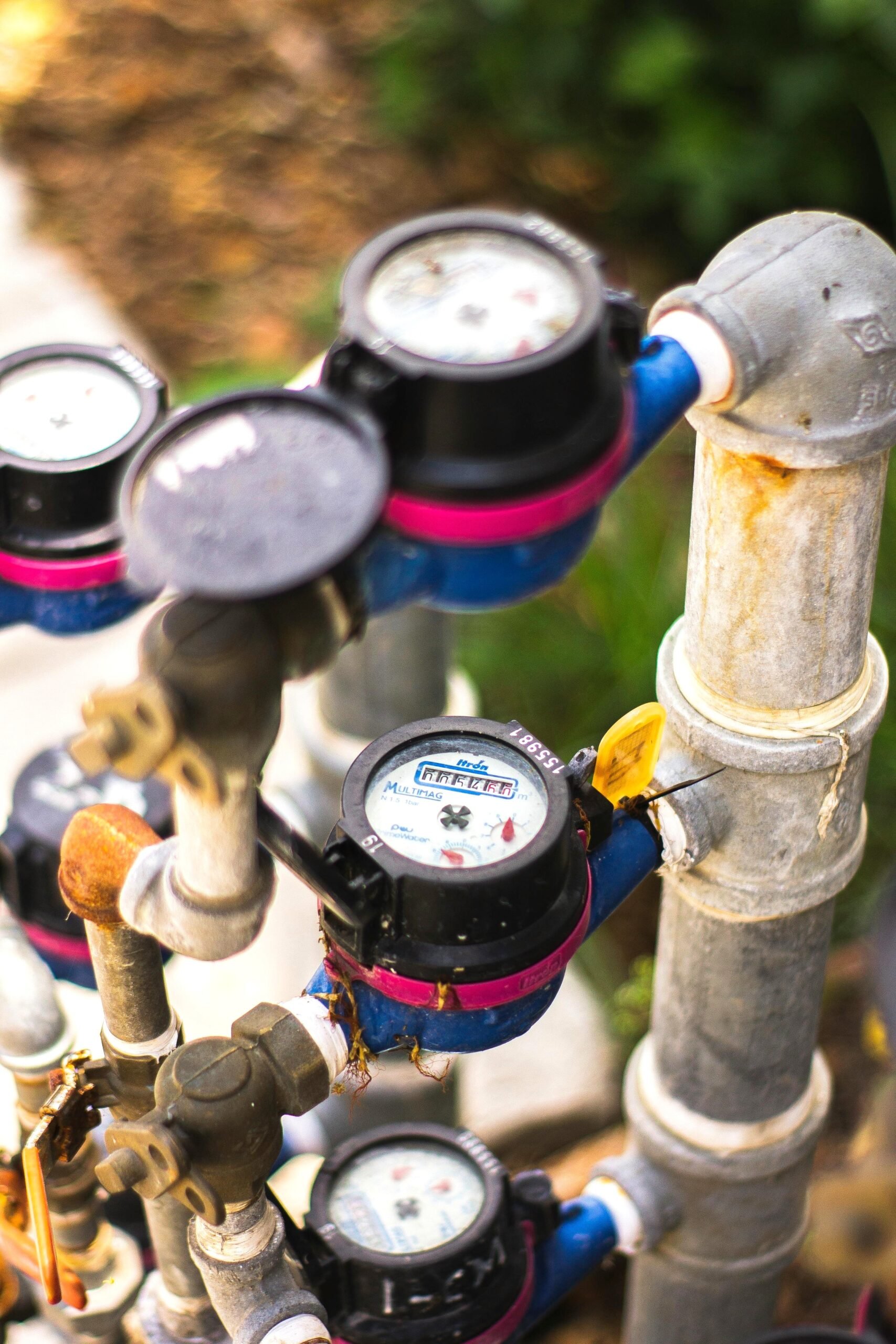
- Shut off and drain outdoor water lines, protecting exposed pipes from freezing and bursting
- Clean the chimney or fireplace, if wood-burning, before it gets its first real use of the season
These four tasks tend to get put off precisely because none of them are visually obvious, but skipping them is exactly what turns a manageable winter into an expensive one.
Late October to Early November: The Final Yard Push
By this point, the yard needs its last significant round of attention before the ground genuinely locks up for winter.
Raking and mulching fallen leaves protects the lawn from suffocating under a wet, matted layer through winter, while also feeding the soil as the leaves break down.
Perennial beds benefit from a final cutback and a layer of mulch around the base, insulating roots against the freeze-thaw cycles that do more damage to plants than a steady, consistent cold actually does.
Mid to Late November: Bracing for First Snow
As the North Okanagan’s first real snowfall approaches, a final round of practical checks genuinely pays off:
- Test snow-clearing equipment, whether a shovel, a snow blower, or ice melt supply, before you actually need it in a hurry
- Confirm outdoor lighting works properly, since shorter days mean more time navigating a dark driveway or walkway
- Check that any gazebo, pergola, or outdoor furniture is either properly winterized or stored, since heavy wet snow can genuinely damage unprotected structures
- Stock up on ice melt and traction aids for walkways, rather than discovering you’re out during the first icy morning
Working through this list before the snow actually arrives, rather than after the first storm catches everyone off guard, is genuinely what separates a calm start to winter from a stressful one.
Why Staying Ahead of the Calendar Genuinely Pays Off
Tackling these tasks in a clear, phased order spreads the workload manageably across the fall, saving you from a single frantic weekend.
It also ensures each job gets done while weather conditions are still favorable.
For instance, draining a garden hose before the first frost is far easier than trying to clear one that has already frozen solid.
Roughly How Much Time You Actually Have
Between Armstrong’s average late-September frost and the North Okanagan’s typical first snowfall in November, you usually have a window of about six to eight weeks.
That time vanishes quickly once fall cleanup, furnace checks, and pipe winterization start competing for your weekends.
Starting your prep right after that first frost, rather than waiting for a sudden cold snap to force your hand, makes all the difference in this region.
Final Thoughts
A North Okanagan fall genuinely moves faster than what general BC prep guides assume, with first frost typically arriving by late September and real winter conditions following within weeks rather than months.
Armstrong and the surrounding North Okanagan cool down much earlier than lakefront communities just south.
Working through your yard and home prep in a clear order helps keep your property ready for winter so you aren’t caught off guard.
For best results, start right after the first frost and aim to finish before the season’s first snowfall.
Are you ready for a North Okanagan fall yard and home prep yet?
Sound off, below!
—Matt
PIN FOR LATER:

I am a contractor and just a DIY guy in my spare time. I love building things and sharing my knowledge with other DIY’ers. You can do anything you set your mind to! When I am not building or fixing something, I am all about baseball. Go Tigers, go!