The Ultimate Season-by-Season Roof Care Guide for Homeowners
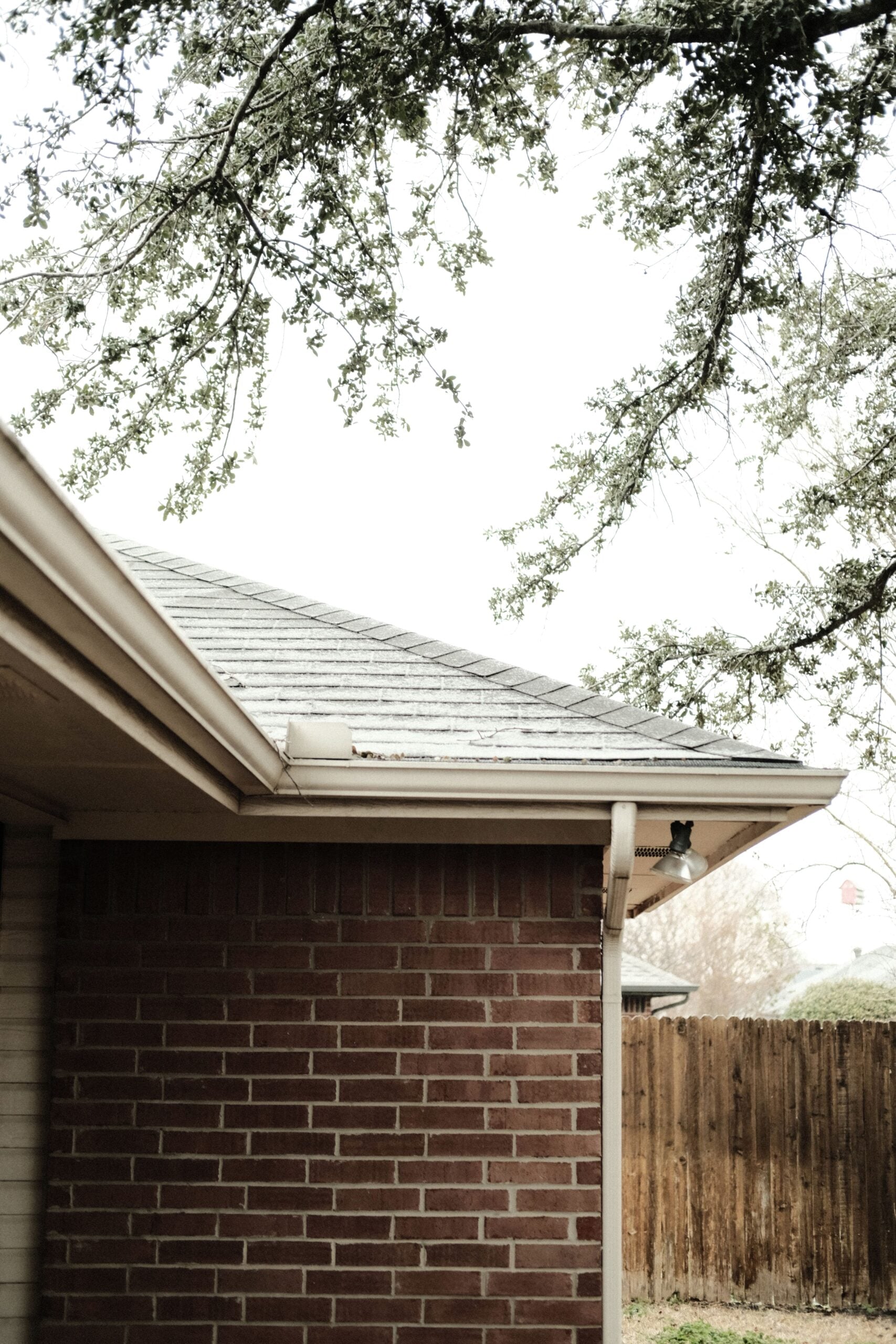
Year-Round Season-by-Season Roof Care
Roof care is not a once-a-year chore. Snow, freeze-thaw cycles, spring rain, summer hail, wind, and fall debris can all test a roofing system in different ways throughout the year.
Following a consistent season-by-season roof care routine helps homeowners spot warning signs early and make informed decisions before a minor issue affects the attic, insulation, walls, or ceilings.
When a roof needs a closer look, homeowners can contact experienced roofing contractors Rochester MN at Above All Roofing Of Rochester.
This locally owned company serves Rochester and surrounding communities with residential and commercial roofing, inspections, repairs, storm-damage support, maintenance, snow removal, and replacement services.
Their team is deeply familiar with the severe weather conditions that affect properties across southeast Minnesota.
Why Your Roof Needs Year-Round Attention
Winter can place heavy snow and ice on roof edges, in valleys, and around gutters. Repeated freezing and thawing may widen small gaps near shingles, flashing, pipe boots, and vents.
Spring rain often exposes damage that began during winter, while summer storms can bring hail, driving rain, lightning, and strong winds.
In the fall, leaves and twigs can clog drainage paths just before the snow season returns.
Roof trouble is not always obvious from the yard. Water stains on an upper-level ceiling, damp insulation, a musty attic odor, or peeling paint near an exterior roofline may be the first clues that moisture is getting where it should not.
The Early Spring Roof Check
After the snow and ice have cleared, inspect the home from the ground and inside the attic. Do not climb onto the roof to investigate questionable areas.
Use binoculars if needed, and make notes of anything that appears different from the prior season.
- Look for missing, cracked, curled, lifted, or visibly worn shingles.
- Check chimney, vent, and skylight areas for bent, loose, or rusted flashing.
- Inspect gutters for shingle granules, roofing debris, and heavy leaf buildup.
- Look in the attic for water marks, wet insulation, mold, daylight, or musty smells.
- Check fascia, soffits, and siding for moisture staining or peeling finishes.
Spring Gutter and Drainage Tasks
Gutters and downspouts move roof runoff away from the house. Clear leaves, ice remnants, twigs, and granules, then make sure downspouts discharge several feet from the foundation.
Watch the property during or after heavy rain.
Standing water near the home, sagging gutter sections, or separated gutter joints can contribute to wood rot, basement moisture, and foundation concerns over time.
Preparing for Summer Storms
Preparation is safer and less stressful before the first severe storm warning arrives. Review thunderstorm safety guidance as part of a household plan, especially regarding weather alerts, lightning precautions, and hazards posed by fallen trees or power lines.
- Trim problem branches: Cut back weak or overhanging limbs that could strike the roof in high winds.
- Secure outdoor items: Patio furniture, tools, and decorations can become dangerous flying debris.
- Check attic ventilation: Verify that insulation and ventilation allow proper airflow to keep attic temperatures regulated.
- Document current conditions: Keep current photos of the roof, gutters, siding, and outdoor structures.
- Review insurance coverage: Check your deductibles and understand the process for reporting storm damage.
What to Do After Hail or Wind Damage
Wait until the storm has passed and conditions are completely safe. From the ground, look for missing shingles, exposed underlayment, dented metal, damaged flashing, torn gutters, or fallen branches.
Take clear photographs from safe ground-level locations, including indoor photos of active leaks or ceiling stains.
Place containers beneath dripping water and move furniture or valuables away from the affected area.
Avoid roof climbs, wet-weather repairs, and makeshift fixes that could create more damage or injury.
If damage is suspected, schedule a professional inspection and keep a record of the storm date, photos, inspection findings, estimates, and communication with your insurer.
The Fall Roof and Attic Checklist
Fall is the time to prepare for winter rather than react to it. Clean gutters before leaves become wet and compacted.
Inspect flashing at chimneys, skylights, vents, and plumbing penetrations. Check the attic for damp insulation, frost history, blocked vents, or signs that warm indoor air is escaping toward the roof deck.
If the roof is older, has leaked before, or shows visible wear, ask whether needed repairs should be completed before freezing temperatures arrive.
Securing loose items and trimming problem branches also reduces the chance of wind-related damage during late-season storms.
Winter Roof Care and Safety
Winter roof care is mainly observation and prevention. Watch for ice dams along roof edges, repeated icicles paired with interior leaks, or unusual warm spots near the attic.
Monitor garages, additions, barns, and other low-slope structures for heavy snow buildup, especially if the roofline appears uneven or starts to sag.
- Use winter weather preparation advice to help plan for severe cold, snow, ice, and power disruptions.
- Never walk on a snowy or icy roof or use sharp tools that may damage roofing materials.
- Do not position a ladder on slippery, icy ground.
- Keep children and pets away from areas where falling ice or snow may collect.
Signs a Repair May Be Needed
- Water stains on ceilings or upper walls.
- Missing, blistered, cracked, or badly worn shingles.
- Granules collecting in gutters or near downspouts.
- Rust around flashing or exposed fasteners.
- Sagging rooflines, uneven areas, or recurring leaks.
- Damp insulation, mold, or a musty smell in the attic.
Repair or Replacement?
Age matters, but it does not decide the answer on its own. Consider whether damage is confined to a small area, whether the same leak has returned, and whether a storm affected multiple sections.
A thorough evaluation should also consider decking, underlayment, flashing, ventilation, insulation, and the roof structure.
The goal is to choose the option that provides lasting value, not simply the quickest short-term fix.
| Season | Primary Focus | Key Tasks |
| Spring | Winter Recovery | Ground check for shingle damage, clear gutter debris, inspect attic for leaks. |
| Summer | Storm Prep | Trim overhanging branches, check attic ventilation, document roof photos. |
| Fall | Winter Prep | Deep clean gutters, inspect chimney flashing, seal attic air leaks. |
| Winter | Monitoring | Watch for ice dams, monitor heavy snow loads, keep drainage clear safely. |
Common Roof Maintenance Questions
When should a roof be inspected?
Arrange an inspection after major hail or wind, before selling a home, after a serious leak, or when visible damage appears. A seasonal inspection also helps homeowners plan work before harsh weather returns.
Can homeowners inspect a roof themselves?
Homeowners can safely inspect visible areas from the ground and check the attic space. Steep slopes, roof surfaces, wet conditions, and snow or ice should always be left to qualified professionals.
How can small roof problems become expensive?
A single loose shingle or damaged flashing point can allow water beneath the roof surface. Over time, trapped moisture can rot the decking, framing, insulation, drywall, siding, and interior finishes.
Ready to Protect Your Home with Season-by-Season Roof Care?
A spring check, summer storm plan, fall cleanup, and winter safety review can help homeowners catch roofing concerns sooner.
The objective is not to inspect every inch of the roof each month.
It is about recognizing warning signs, acting safely, and addressing concerns before a small problem becomes a major repair.
Have you started your season-by-season roof care routine yet?
—Matt
PIN FOR LATER:

I am a contractor and just a DIY guy in my spare time. I love building things and sharing my knowledge with other DIY’ers. You can do anything you set your mind to! When I am not building or fixing something, I am all about baseball. Go Tigers, go!