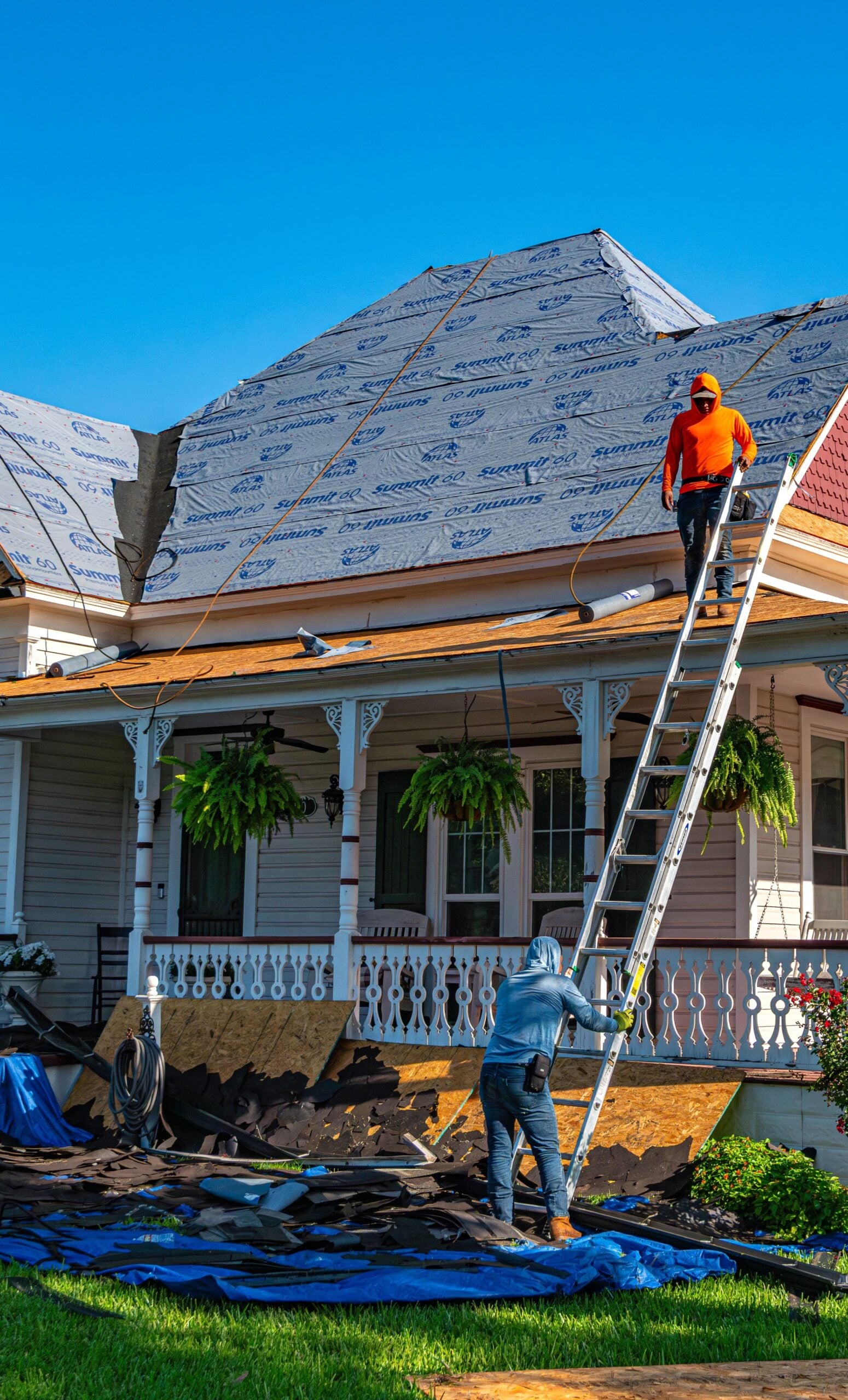
What to Know Before You Rebuild After Major Home Damage
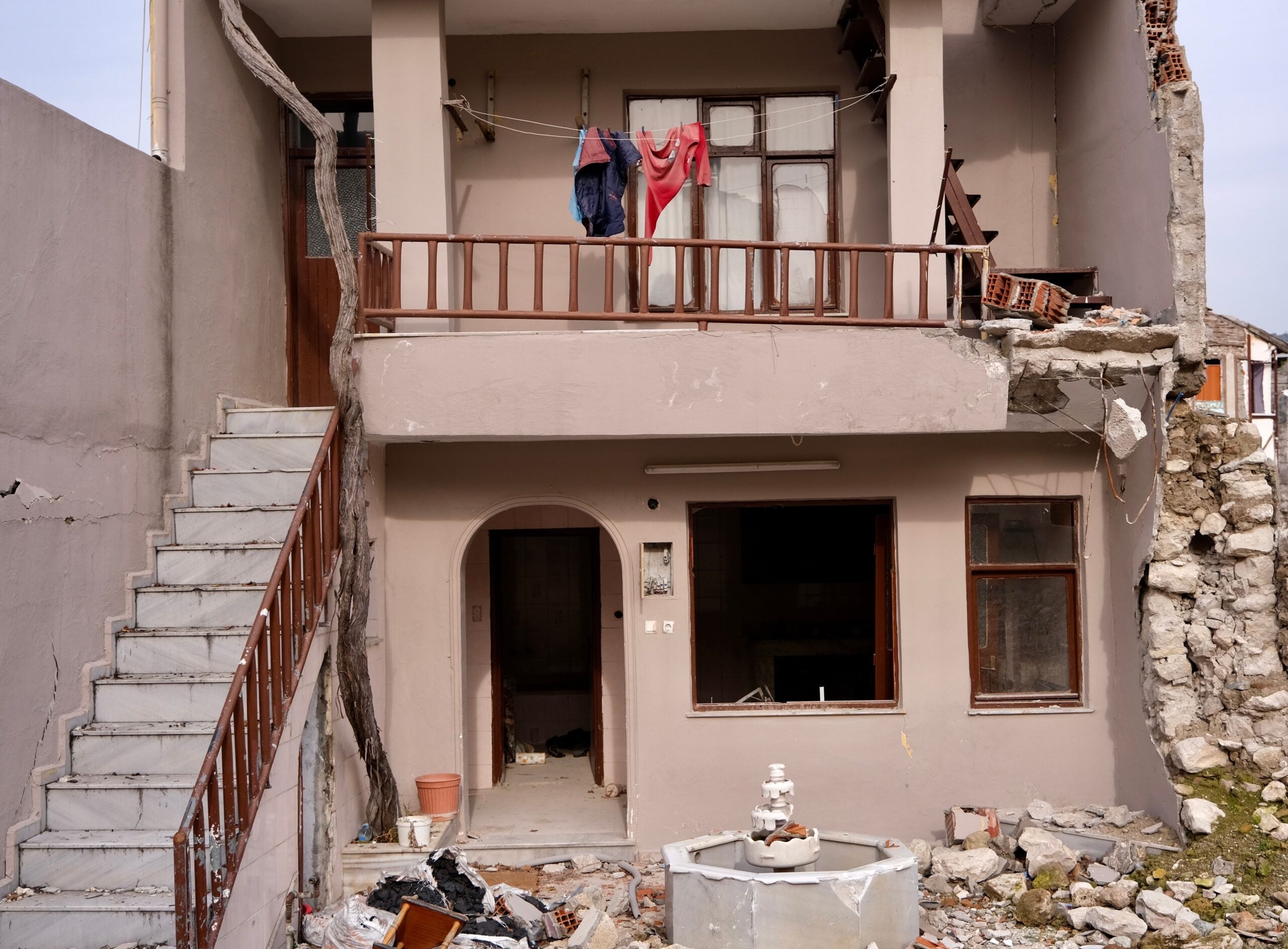
What to Expect During a Rebuild After Major Home Damage
When your home takes serious damage, the emotional hit usually lands before the insurance paperwork does. One day you’re thinking about paint colors or kitchen storage, and the next you’re dealing with smoke, water, mold, or structural issues that turn daily life upside down.
If you’re staring at a damaged space and trying to figure out what rebuilding actually involves, you need more than generic advice.
You need a clear view of the process, the pitfalls, and the decisions that can protect your home, budget, and sanity.
Start With Safety, Documentation, and a Realistic Timeline
After major home damage, your first job isn’t design. It’s safety. If there’s any risk involving electricity, gas, unstable framing, contaminated water, or lingering smoke residue, stay out until qualified professionals say it’s safe.
Once access is allowed, document everything.
Take photos and videos of every room, including close-ups of damaged floors, walls, furniture, and fixtures. Save receipts for temporary lodging, meals, and emergency purchases if your policy may cover additional living expenses.
This stage also calls for a mindset shift.
Rebuilding rarely moves at “weekend renovation” speed. Drying, demolition, inspections, permits, material lead times, and insurance approvals all have their own clock.
A bathroom flood can take weeks. A fire-damaged main floor can take months.
Try to separate emergency mitigation from full reconstruction. Water extraction or board-up services happen quickly.
The full rebuild is a different operation with its own estimates, scheduling, and contractor coordination. It’s not glamorous, and no one enjoys discussing drywall moisture readings, but those details matter more than rushing toward cosmetic fixes.
Understand the Difference Between Restoration, Remediation, and Reconstruction
These terms get tossed around like they mean the same thing. They don’t. Knowing the difference helps you ask sharper questions and avoid confusion when contractors, adjusters, and inspectors start speaking in industry shorthand.
Restoration usually means bringing damaged materials or spaces back to usable condition.
Remediation often refers to removing hazards, such as mold, soot contamination, or unsafe debris.
Reconstruction involves rebuilding damaged parts of the property, sometimes down to framing, subfloors, roofing systems, or mechanical components.
If your kitchen had a supply-line leak that ruined cabinets and warped the subfloor, drying and mold prevention come first.
Replacing cabinets, reinstalling flooring, and rebuilding walls fall under reconstruction.
In bigger loss situations, working with a qualified property reconstruction company can make the process more coherent because reconstruction often overlaps with mitigation findings, insurance scope discussions, and code-upgrade requirements.
That overlap matters.
You don’t want one team saying the framing is salvageable while another says it needs replacement after insulation removal. Clear definitions keep the project grounded in facts, not guesswork and crossed fingers.
Know How Insurance Shapes the Rebuild
Insurance affects far more than payment. It can influence timelines, material choices, documentation standards, and even which repairs qualify under your claim.
Start by reading your policy beyond the declarations page.
Look for coverage related to dwelling, personal property, code upgrades, sewer backup, mold limitations, and loss of use.
If the wording makes your eyes glaze over, that reaction is normal. Ask your insurer to explain specific sections in writing.
When estimates begin, pay attention to scope. Scope is the detailed list of work that needs to be done. If something isn’t included there, payment disputes can show up later.
For example, a claim may include drywall replacement but miss insulation, vapor barriers, trim profiles, or detached vanity plumbing reconnections.
You should also ask whether repairs must meet current building code, not just pre-loss condition. Older homes can trigger expensive updates involving wiring, stair geometry, smoke detectors, or insulation values.
Keep a communication log with dates, names, and summaries of calls. It sounds tedious because it is tedious.
It’s also one of the easiest ways to reduce misunderstandings when multiple parties are involved. Rebuilding goes more smoothly when you treat paperwork like part of the construction process, not a side quest.
Choose Contractors Based on Process, Not Just Price
A low estimate can look attractive when you’re already stressed. It can also hide missing line items, vague allowances, or unrealistic labor assumptions that come back to bite later.
When comparing contractors, ask how they handle project management, subcontractor scheduling, permits, inspections, and change orders.
Ask who will be your point of contact and how often you’ll get updates. If a company can’t explain its workflow clearly, expect confusion once walls are open and decisions stack up.
Look for specificity in estimates. “Repair water damage in kitchen” tells you almost nothing.
A better estimate lists demolition, disposal, drying verification, insulation replacement, drywall finish level, cabinet installation, paint scope, flooring type, and cleanup.
You should also ask for proof of licensing, insurance, and experience with insurance-related reconstruction. Rebuilding after damage isn’t exactly the same as a planned remodel.
Hidden moisture, odor sealing, content protection, and code compliance can complicate the work fast.
Reviews matter, but patterns matter more. One glowing comment about nice staff is pleasant. Multiple reviews mentioning delays, communication gaps, or surprise charges deserve attention.
You’re not hiring charm. You’re hiring execution under pressure.
Plan for Design Decisions Before the Build Gets Rolling
A damage rebuild can easily drift into a mini remodel, whether you planned for it or not. Once walls are open or finishes need replacement, you may start wondering if now is the moment to upgrade.
That includes the flooring, improve storage, or fix that awkward lighting layout that has annoyed you for years.
That can be smart, but only if you separate insurance-covered work from elective upgrades. If you decide to switch from laminate to white oak, expand a shower footprint, or install custom built-ins, get those costs itemized separately.
Clean separation keeps invoices easier to track and helps avoid friction over what the claim actually covers.
You should make finish selections early whenever possible. Cabinets, tile, plumbing fixtures, and specialty lighting can have long lead times.
Waiting too long creates avoidable project stalls, and nothing says “fun renovation season” like living with a half-finished bathroom because a faucet is backordered for six weeks.
Think beyond appearance too. Ask about moisture-resistant materials in bathrooms, durable flooring in entry zones, and better ventilation in laundry rooms or basements.
A rebuild offers a chance to improve performance, not just replace what was there before.
Protect Your Daily Life During the Rebuild
Construction stress isn’t limited to budgets and schedules. It affects your routines, privacy, sleep, pets, kids, and ability to work from home without a circular saw soundtrack.
If you’re staying in the house during repairs, ask which areas will be sealed off and how dust control will be handled.
Confirm work hours, parking needs, dumpster placement, bathroom access, and whether water or power will be interrupted.
Create a simple home logistics plan. Move valuables, medication, important documents, and sentimental items out of active work zones.
If you have children, explain where they can and can’t go. If you have pets, assume they will be deeply offended by every stranger carrying tools.
You should also prepare for decision fatigue. Reconstruction involves a steady drip of questions about materials, access, finishes, unforeseen conditions, and approvals.
Keep a single folder or shared note with contacts, product choices, paint colors, and site notes so you’re not digging through old emails every other day.
Ready to Navigate Your Rebuild After Major Home Damage?
A successful rebuild isn’t only about making the house look normal again. It’s about restoring function, safety, and a sense that your home works for your life.
When you approach the process with solid documentation, careful hiring, and realistic expectations, you give yourself a much better shot at a smoother recovery.
Are you currently navigating a rebuild after major home damage?
Drop a comment, below!
—Matt
PIN FOR LATER:
I am a contractor and just a DIY guy in my spare time. I love building things and sharing my knowledge with other DIY’ers. You can do anything you set your mind to! When I am not building or fixing something, I am all about baseball. Go Tigers, go!