How to Stop Sulphur Burps on Mounjaro Fast
Got Sulphur Burps on Mounjaro?
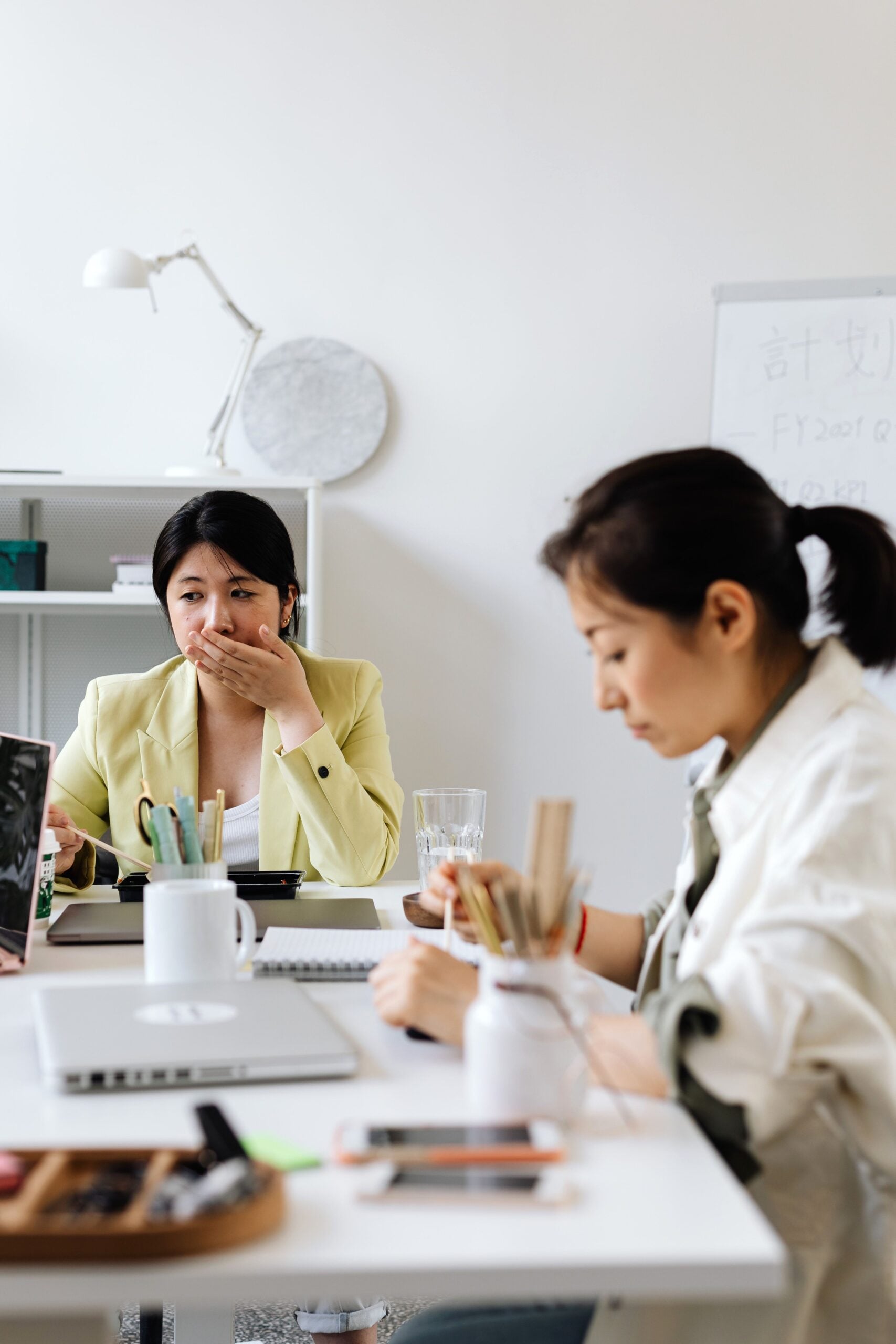
Sulfur burps are one of those Mounjaro side effects nobody warns you about until they’re already ruining your afternoon.
You take your weekly injection, stay on track with your dose, and then a few hours later you’re hit with burps that smell exactly like rotten eggs.
It’s unpleasant, and if you don’t know why it’s happening, it can feel genuinely alarming.
The good news? Sulfur burps are a recognized, manageable response to tirzepatide, the active ingredient in Mounjaro, and there are concrete steps you can take right now to stop sulfur burps on Mounjaro fast.
This article covers exactly why they happen, what you can do immediately for relief, and how to tell when your symptoms cross from “normal GI side effect” into something that needs a doctor’s attention.
Why Mounjaro Causes Sulfur Burps and How to Identify Them
One of the most common questions people have is whether eggy burps on Mounjaro signal something wrong or are simply part of how the drug works in your gut.
The short answer: they’re usually the latter. Mounjaro slows gastric emptying, so food sits in your stomach longer than it normally would.
That extra transit time gives gut bacteria more opportunity to break down sulfur-containing compounds, which produces hydrogen sulfide gas – the source of that distinctive rotten-egg odor.
The effect tends to be sharper in the first few weeks after a dose increase, before your body has adjusted to the slower digestive pace.
Knowing that the mechanism is primarily digestive – not metabolic or hormonal, matters a lot when you’re deciding how to respond.
What’s Behind the Eggy Smell and Taste
Hydrogen sulfide is a naturally occurring byproduct of protein digestion; your gut produces small amounts of it all the time.
Mounjaro amplifies this by keeping food in the stomach and small intestine longer, giving bacteria more time to ferment protein.
Especially proteins rich in sulfur-containing amino acids like methionine and cysteine. Foods with heavy sulfur content, such as eggs, meat, dairy, cruciferous vegetables, garlic, and onions, are the biggest contributors.
The trick is that the same delayed gastric emptying making Mounjaro effective for blood sugar and weight management is also what creates the conditions for excess hydrogen sulfide production.
The result is burps with that unmistakable eggy quality, sometimes paired with nausea, bloating, or a fullness that lingers well past your last meal.
The smell and taste are your clearest clue that sulfur-related fermentation is the culprit.
How Long Sulfur Burps Usually Last on Mounjaro
For most people, the worst of it hits in the 24 to 72 hours after a new injection or dose increase, then fades as the body adjusts.
Each time your prescriber steps up your dose from 2.5 mg to 5 mg or higher, your GI system goes through a fresh adjustment period.
Which is why symptoms can reappear even after they seemed to settle down.
Some people tolerate each new dose with minimal trouble after the first few weeks; others find the adjustment stays uncomfortable for a month or more at each level.
Most clinical reports suggest GI side effects, including sulfur burps, peak early in treatment and ease over time with consistent dietary management.
But if your burps show no sign of improving after four to six weeks at a stable dose, that persistence is worth raising with your prescriber.
Immediate Steps to Stop Sulfur Burps Fast
Getting rid of sulfur burps quickly comes down to two parallel tracks. First, you cut the fuel – the foods and habits that give gut bacteria more sulfur to ferment.
Second, you use targeted remedies that either nudge gastric emptying along slightly or neutralize the gas that’s already built up.
Neither approach works instantly, but combining both gives you the fastest practical relief. Timing matters here too.
Most people find that eating smaller, lower-fat meals in the 48 hours after a Mounjaro injection reduces gas production noticeably, because large or fatty meals slow digestion even further on top of what the drug is already doing.
And staying upright after eating, rather than lying down within an hour or two of a meal, lets gravity help the digestive process along.
It reduces the chance that gas stays trapped in the upper GI tract.
Dietary Changes That Work Right Away
A targeted dietary shift is the fastest lever you have. In the 24 to 48 hours after your injection, pull back on the foods highest in sulfur:
- Eggs and egg-based dishes
- Red meat and processed meats
- Cruciferous vegetables – broccoli, cauliflower, Brussels sprouts, cabbage
- Allium vegetables – garlic, onions, leeks, shallots
- High-fat dairy – cheese, cream, butter
- Alcohol, especially beer and wine
Replace those with lower-sulfur, easier-to-digest options, cooked white rice, plain chicken breast, cucumber, zucchini, cooked carrots.
Drink water consistently throughout the day, since dehydration slows digestion further and makes gas buildup worse.
Eat slowly and stop before you feel full; overfilling the stomach on Mounjaro tends to amplify every GI side effect you’ve got.
Smaller, more frequent meals work better than two or three large ones.
These changes won’t eliminate the underlying mechanism, but they reliably cut the volume of hydrogen sulfide your gut produces during those high-sensitivity windows.
Over-the-Counter Remedies and Supplements to Try
Several accessible remedies can reduce the severity of sulfur burps between meals and after eating. Bismuth subsalicylate, the active ingredient in Pepto-Bismol, binds to hydrogen sulfide in the gut.
It helps reduce both the smell and the frequency of gas.
Take it at the labeled dose, and check with your pharmacist if you’re on other medications, since it interacts with certain drugs including aspirin and blood thinners.
Simethicone, found in Gas-X, breaks up gas bubbles in the GI tract and can relieve the bloating and pressure that often tag along with sulfur burps.
Activated charcoal supplements get used by some people, but the evidence for them in this specific context is thin.
They can also interfere with medication absorption, so use them cautiously and never within two hours of any medication.
Ginger tea or ginger capsules have a longer track record for supporting gastric motility and may ease nausea alongside the burping.
When to Adjust Your Mounjaro Dose or Talk to Your Doctor
Sulfur burps on Mounjaro are common, but they’re not always something to just push through. Your prescriber has real tools to help, and in some cases dose management is the most effective intervention available.
Mounjaro’s starting dose of 2.5 mg exists precisely to let the GI system adjust gradually.
If you had minimal side effects at 2.5 mg but developed sulfur burps after moving to 5 mg or higher, ask your prescriber whether a slower titration schedule makes sense.
Some people do better staying at a lower dose for eight to twelve weeks rather than the standard four.
So document the pattern: when burps start relative to your injection, how long they last, what seems to make them better or worse.
That information gives your prescriber something concrete to work with, rather than a vague complaint about GI discomfort.
Signs That Sulfur Burps Need Medical Attention
Most sulfur burps are a nuisance, not a danger. But certain symptoms alongside them deserve a prompt call to your doctor:
- Severe or persistent vomiting that prevents you from keeping food or liquid down for more than 24 hours
- Abdominal pain that doesn’t resolve with rest or over-the-counter remedies
- Yellow-tinted skin or eyes (a possible indicator of gallbladder or liver involvement)
- Dark or tarry stools (a sign of GI bleeding)
- Fever above 101°F combined with GI symptoms
- Burps that worsen steadily rather than improving after the first week at a stable dose
These aren’t signs to wait out. Mounjaro does carry a small increased risk of gallbladder problems, and some GI complications can develop quickly.
If you experience any combination of the above, contact your prescriber or go to urgent care rather than managing it at home.
The goal is to stop sulfur burps on Mounjaro fast and safely, and honestly, that sometimes means getting professional guidance instead of a longer trial-and-error period on your own.
Final Thoughts
Sulfur burps on Mounjaro are almost always tied to the drug’s effect on gastric emptying. They’re manageable.
Pull high-sulfur foods from your diet in the 48 hours after each injection, reach for bismuth subsalicylate or simethicone for faster relief, and keep your meals small to reduce fermentation in the stomach.
But if burps persist or show up alongside more serious symptoms, loop in your prescriber rather than grinding through it alone.
With consistent dietary adjustments and good communication with your care team, most people find that GI side effects (sulfur burps included) become far less disruptive as treatment progresses.
Do you suffer from sulphur burps on Mounjaro?
—Dr. Drayman
PIN FOR LATER:

I am a retired GP that is passionate about health, parenting, and helping others. I am a grandparent to 3 amazing little boys and mama to 2 incredible women.