How Long Should You Use a Hot Water Bottle for Effective Pain Relief?
How Long Should You Use a Hot Water Bottle for Effective Pain Relief?
Most of us reach for a hot water bottle without thinking too much about the how or the how long. It’s sore, it’s cold, you fill it up, you hold it against the ache.
Done.
And honestly, for a lot of everyday discomfort, that approach works well enough.
But if you’re dealing with recurring pain, whether that’s chronic back trouble, regular period cramps, muscle soreness after exercise, or stiff joints on a cold morning, timing actually matters more than most people realize.
Use heat for too short a time and it barely touches the problem. Use it for too long without breaks and you risk irritating your skin or, in some cases, making the underlying issue worse.
Here’s a practical breakdown of how long to use heat therapy, and why the timing differs depending on what you’re treating.
1. The General Rule: 15 to 20 Minutes
For most types of everyday pain, including tension headaches, mild back stiffness, and general muscle aches, using a hot water bottle for 15 to 20 minutes is usually the recommended starting point.
This gives the heat enough time to penetrate beyond the surface of the skin, improve circulation, and begin relaxing the muscle tissue underneath.
Shorter sessions may warm the skin temporarily, but they often don’t reach the deeper areas where tension tends to build up.
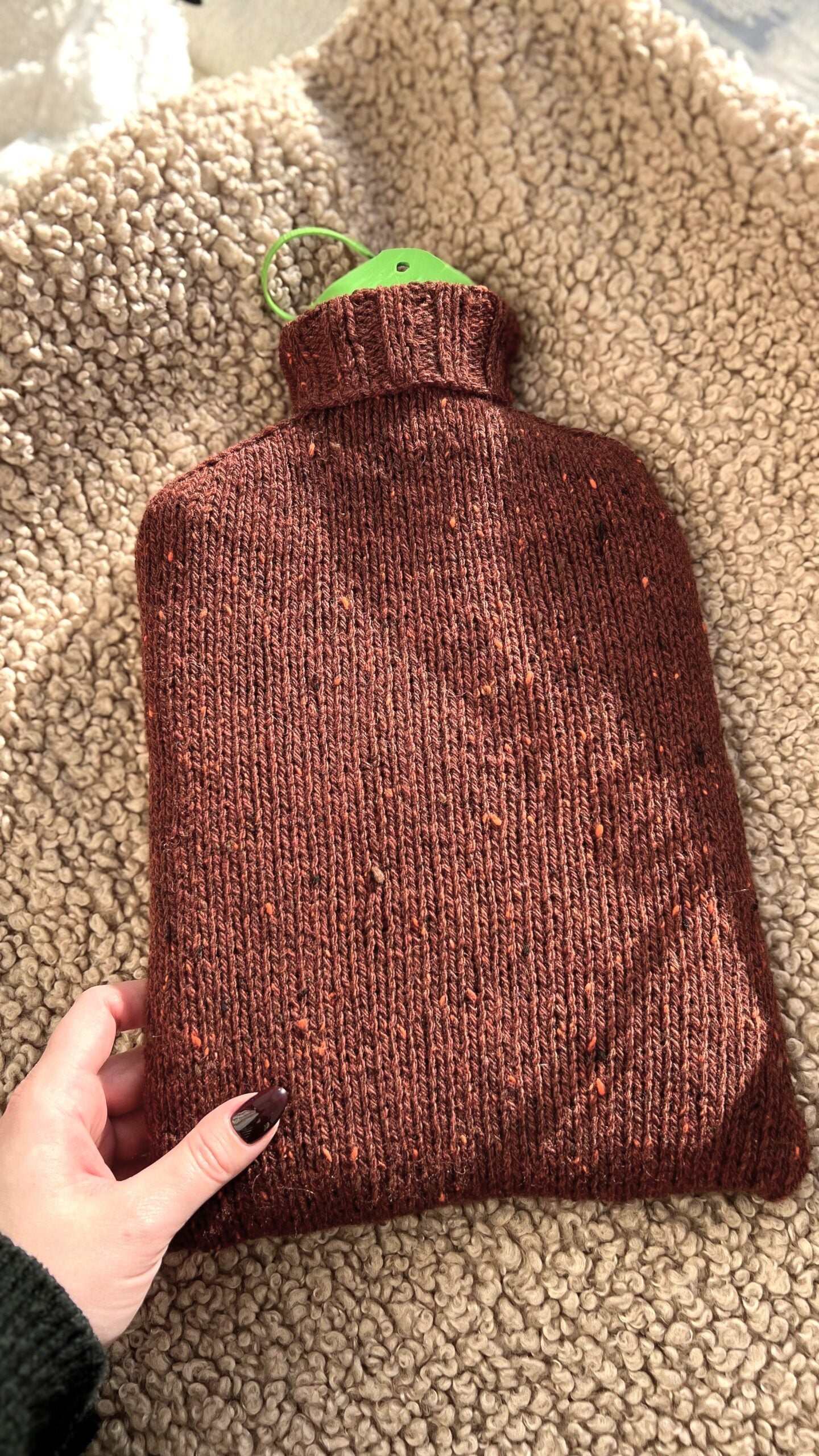
A well-insulated bottle with a thick cover can also make a noticeable difference by helping maintain a steadier and more comfortable temperature throughout use.
Brands like CosyPanda are known for reusable hot water bottles and soft covers designed to retain warmth more evenly during longer sessions.
If one application doesn’t fully ease the discomfort, it’s generally fine to repeat the process later.
The important part is allowing the skin at least 20 minutes to cool down between uses so the area isn’t exposed to continuous heat for too long.
2. For Muscle Soreness After Exercise
This is where timing becomes particularly important. It’s also where a lot of people get it wrong.
Heat and cold therapy serve different purposes, and using the wrong one at the wrong time can actually slow recovery.
In the first 24 to 48 hours after intense exercise, muscles are inflamed. Applying heat during this window can increase blood flow to an already inflamed area and potentially increase swelling.
Cold or cool compresses are generally better in this early phase.
Once the acute phase has passed, heat becomes genuinely useful:
- Apply for 15 to 20 minutes to stiff or tight muscles 48 hours or more post-exercise
- Focus on specific areas rather than broad application
- Repeat once or twice daily as needed, always with a break between sessions
Used correctly in this window, heat therapy can genuinely reduce the stiffness and restricted movement that typically follows a tough workout.
3. For Period Pain Specifically
Heat is one of the most consistently effective non-pharmaceutical options for menstrual cramps, and the research backs this up.
A study published in Evidence-Based Nursing found that continuous low-level heat was as effective as ibuprofen for relieving period pain.
A finding that surprised a lot of people when it was first published.
For period pain, slightly longer sessions tend to work better. Most guidance suggests 20 to 30 minutes applied to the lower abdomen, and some people find that keeping it in place during the first hour of the worst cramping provides the most relief.
The mechanism here is straightforward: heat relaxes the uterine muscles that are contracting and causing the cramping sensation.
It also increases blood flow to the area, which helps ease the localized ache.
Always keep a cloth or cover between the bottle and your skin. Bare skin contact with a very hot bottle for extended periods can cause superficial burns even when it doesn’t feel dangerously hot.
4. For Chronic Back or Joint Pain
Chronic pain is a different situation. Unlike acute injuries, ongoing back pain or joint stiffness often responds well to regular, sustained heat therapy.
With that said, “more” doesn’t always mean “better.”
For lower back pain, up to 30 minutes per session is reasonable.
Some physiotherapists recommend short, repeated sessions across the day rather than one long uninterrupted application.
The thinking is that repeated exposure keeps the muscles relaxed and circulation elevated without the skin having to tolerate prolonged heat.
A practical routine for chronic back pain might look like:
- 20 to 30 minutes in the morning to ease morning stiffness
- A second session in the evening after prolonged sitting or standing
- At least an hour between sessions to let the skin recover and normalize
If your back pain is linked to a specific diagnosis like a disc issue, sciatica, or nerve involvement, it’s worth checking with your GP or physio about whether heat is appropriate.
In some cases, heat can exacerbate nerve-related pain rather than soothe it.
5. Signs You’ve Used It Too Long
Even with a covered bottle at a safe temperature, there are a few signs that you’ve kept it in place longer than your skin would like. Knowing these means you can adjust before any real irritation sets in.
- Skin redness that doesn’t fade within a few minutes of removing the bottle
- A mottled or blotchy pattern on the skin, sometimes called “erythema ab igne” or “toasted skin syndrome” — which can develop with repeated prolonged exposure
- Increased discomfort or a throbbing sensation where there was previously just aching
- Feeling overheated generally, which sometimes happens when heat is applied to the core for too long
None of these are emergencies if caught early. Simply, they are just signals to take a break, let the area cool, and be a bit more mindful with the next session.
Final Thoughts
The short version: 15 to 20 minutes is your default, 20 to 30 minutes for more persistent pain, always with proper coverage and breaks between sessions.
The type of pain matters, the timing within an injury matters, and consistency tends to produce better results than a single long application.
Heat therapy is genuinely effective when used thoughtfully.
It’s not a substitute for medical treatment where that’s needed, but for the everyday aches and pains that most of us manage at home, a well-used hot water bottle remains one of the simplest and most reliable tools available.
Do you use a hot water bottle to manage pain?
Sound off, below!
—Dr. Drayman
PIN FOR LATER:

I am a retired GP that is passionate about health, parenting, and helping others. I am a grandparent to 3 amazing little boys and mama to 2 incredible women.