How to Plan a Roof Replacement Without Losing Your Mind
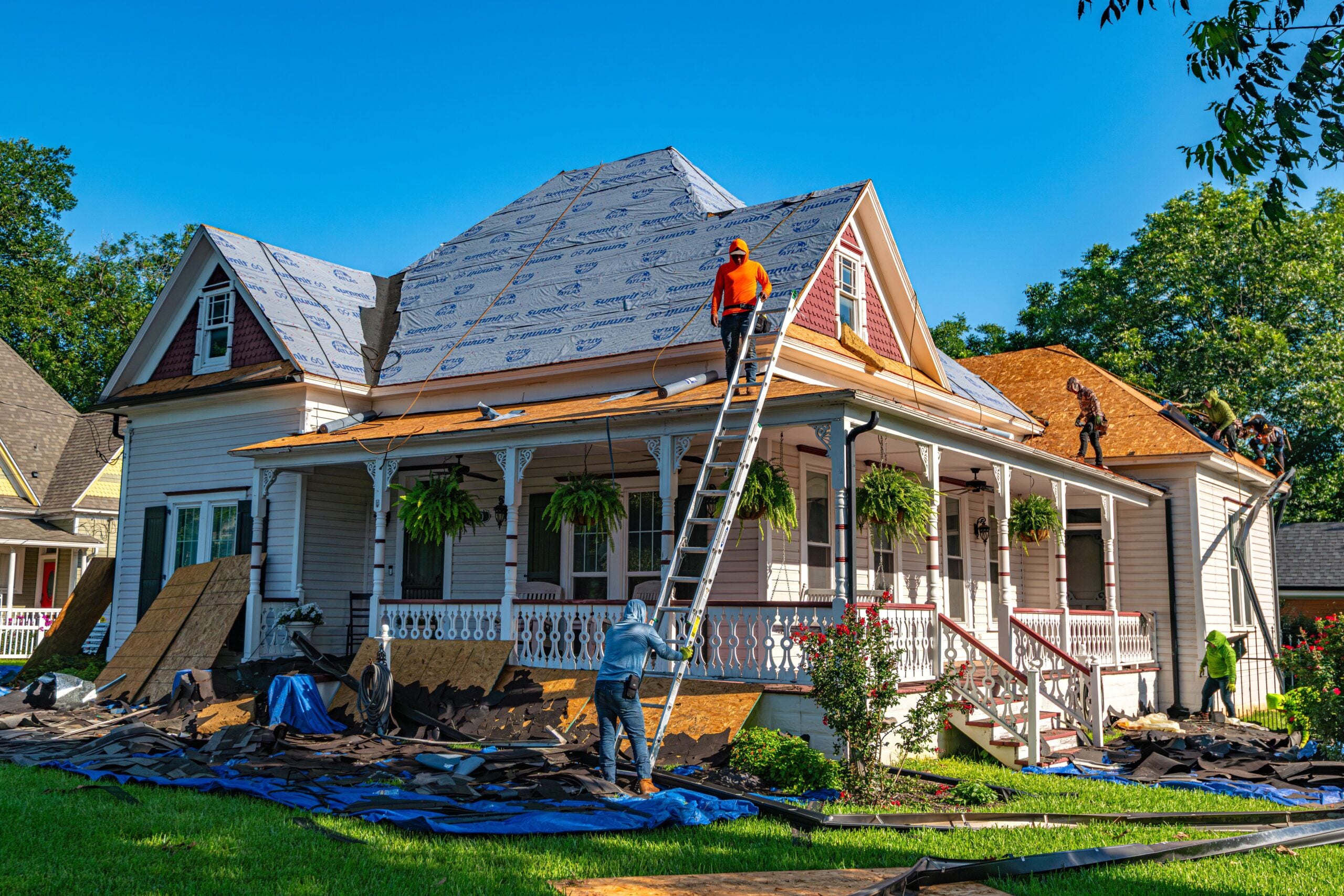
Planning a Roof Replacement?
Your roof rarely asks for attention politely. It usually sends a leak, a missing shingle, or a suspicious water stain across the ceiling and expects you to decode the message fast.
If you’re trying to plan a roof replacement, the process can feel expensive, technical, and weirdly urgent.
A little structure helps. Once you know what to inspect, what to ask, and what can derail the budget, you can make decisions with a lot less stress.
Repair vs. Full Roof Replacement
Not every roofing problem means you need to tear the whole thing off. Sometimes the issue is isolated damage after a storm, failed flashing around a chimney, or a section of shingles that aged faster than the rest.
A full replacement becomes more likely when your roof is nearing the end of its expected lifespan, has widespread curling or bald shingles, or leaks in multiple areas.
If you notice sagging, repeated moisture problems in the attic, or granules piling up in gutters, that’s a stronger warning sign.
Age matters, but so does installation quality. A 15-year-old roof installed badly can fail sooner than a 25-year-old roof installed well.
Start with a professional inspection and ask for photos of the trouble spots. That keeps the conversation grounded in actual conditions, not guesswork.
Compare Bids Beyond the Total Price
Once you gather estimates, resist the urge to focus only on the total price. Look at what each proposal includes, how labor is described, what warranties are offered.
As well as whether cleanup and disposal are part of the job.
A useful estimate should spell out materials, installation methods, projected timeline, payment schedule, and responsibility for permits.
If you’re evaluating roofing contractors, pay attention to how they document the process. Vague bids can lead to very specific headaches later.
It also helps to ask who will actually be on-site. Some companies sell the project and then hand it off to crews you never met.
That setup isn’t automatically bad, though you should know who supervises the work and who answers questions if something changes mid-project.
Understand Essential Roofing Components
You don’t need to become a roofing nerd overnight, but knowing a few terms makes it easier to compare bids.
A roof system includes more than shingles. Underlayment, decking, flashing, ventilation, drip edge, and ice-and-water shield all play a role.
If one estimate includes replacing damaged decking and another skips it, the lower number may not be the better deal.
It may just be missing critical work. Same issue with ventilation. Poor attic airflow can shorten the life of your new roof and raise cooling costs, which is not exactly a fun bonus.
Ask each contractor to explain the full scope in plain language. If someone talks in circles or dodges details, take note.
Clear communication during the estimate stage usually predicts smoother communication when the job is active.
Choose Materials for Climate and Value
Roofing materials are not one-size-fits-all. Asphalt shingles remain common because they’re affordable, widely available, and come in many styles.
Metal roofing lasts longer and handles some weather conditions exceptionally well, but the upfront cost is higher.
Wood shakes, slate, and synthetic materials can offer a distinct look, though they come with different maintenance needs and structural considerations.
The best choice depends on your local climate, neighborhood aesthetics, and how long you plan to stay in the home.
If you live in an area with heavy snow, wind, hail, or high humidity, ask specifically how each material performs under those conditions.
Style matters, sure, but function has the final word. A beautiful roof that struggles in your climate is basically expensive drama installed over your living room.
Prepare for Hidden Expenses
Most people expect to pay for materials and labor. The surprises usually show up elsewhere. Damaged decking under old shingles can add to the bill once the roof is opened up.
Permit fees, gutter adjustments, chimney flashing replacement, and ventilation upgrades can also shift the final number.
Accessibility matters too. A steep roof, complex design, or limited driveway access may increase labor costs. If your home has multiple layers of old roofing that need removal, disposal fees can climb fast.
Ask each contractor what common change orders look like and how they handle approval before extra work begins. You want a process, not a shrug.
Roof replacement is one of those projects where “we’ll figure it out later” tends to translate into “your budget just got body-slammed.”
Plan for Installation Day
Roof replacement is not a silent home improvement project. There will be noise, movement, debris control, and workers around your property for at least a day or two, often longer for larger or more complex homes.
Ask when the crew arrives, how they protect landscaping, where materials will be staged, and whether you need to move vehicles.
If you work from home, plan for serious noise during tear-off hours. Pets may need a calmer place to stay for the day.
Weather can also delay the schedule, especially in rainy or storm-prone seasons.
Good contractors build some flexibility into their timeline and explain how they protect exposed areas if work pauses.
A realistic schedule is far more useful than an optimistic one that collapses after the first bad forecast.
Verify Warranties and Insurance
A new roof should come with both a manufacturer warranty and a workmanship warranty, but those cover different things.
Manufacturer warranties typically address defects in materials. Workmanship warranties address installation errors.
You need both explained clearly.
Also confirm that the contractor carries liability insurance and workers’ compensation coverage. That step isn’t glamorous, but it matters.
If something goes wrong on your property, missing coverage can create a legal and financial mess you definitely did not budget for.
Ask what happens after the job wraps up. Will they do a final walkthrough? Provide documentation and photos?
Handle warranty claims if a problem appears later? Strong post-job support separates a solid company from one that disappears the second the last nail is swept up.
Protect Your Investment Long-Term
The best roof replacement choice usually sits at the intersection of durability, transparency, and realistic cost.
You’re not just buying shingles. You’re paying for weather protection, energy performance, structural defense, and peace of mind for years ahead.
Take a little time to review the details, check references, and compare how each company communicates.
Home projects often go better when the people doing the work treat your questions like part of the job, not an inconvenience.
A roof replacement may never qualify as exciting weekend entertainment, but it doesn’t have to feel chaotic.
With a clear scope, good questions, and careful planning, you can move through the process confidently and end up with a roof that does its job quietly, which is exactly the kind of overachiever you want overhead.
Ready for your roof replacement?
Drop a comment, below!
—Matt
PIN FOR LATER:
I am a contractor and just a DIY guy in my spare time. I love building things and sharing my knowledge with other DIY’ers. You can do anything you set your mind to! When I am not building or fixing something, I am all about baseball. Go Tigers, go!