Integrating Smart Technology in Residential Electrical Installations
Modern Solutions for Residential Electrical Installations
Modern homes are increasingly adopting smart technology to achieve greater efficiency, security, and convenience.
By upgrading electrical installations with innovative solutions, homeowners can realize significant benefits, both immediate and long-term.
For those looking to enhance the functionality and value of their property, professional electric installation Kansas City can ensure these technologies are installed safely and effectively.
The shift toward smart residential systems is far more than a passing trend.
Enhanced monitoring and control, improved energy savings, and seamless integration with connected home features all contribute to a sustainable lifestyle and long-term readiness.
Through careful system upgrades, families can enjoy streamlined operations, reduced utility costs, and heightened overall comfort.
Smart Panels and Breakers
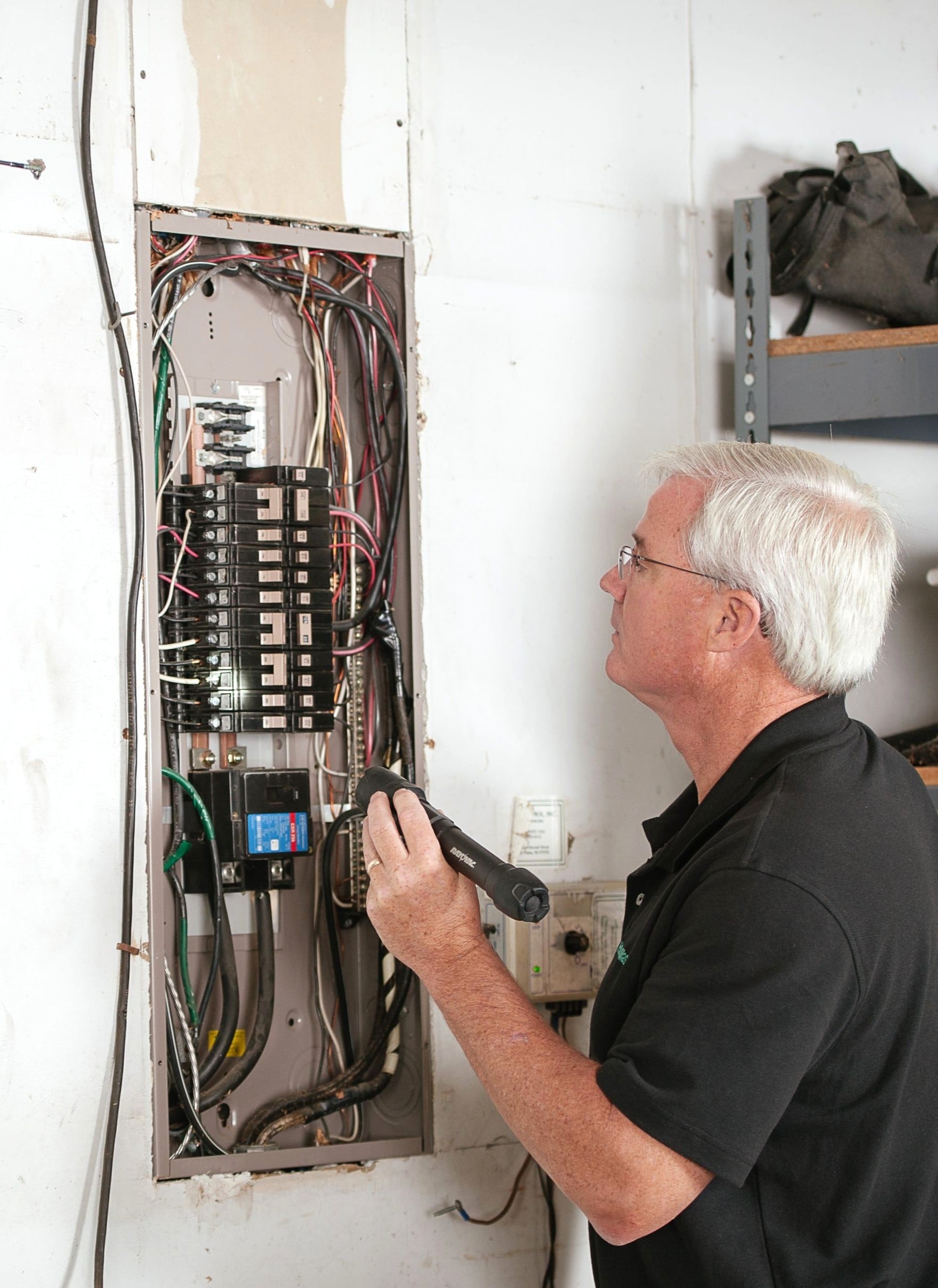
Homeowners now have access to a wide range of smart panels and breakers that enable robust management of household infrastructure.
Unlike traditional components, these advanced systems provide detailed, real-time data on electrical consumption, circuit performance, and potential hazards throughout the home.
For example, the Square D QO Smart Panel Solution by Schneider Electric lets users remotely monitor and control individual circuits via a smartphone or computer.
This helps identify key areas for energy savings while improving safety by signaling overloads and unusual usage patterns before major issues develop.
An added advantage is scalability.
Most smart panels are designed to fit into existing set-ups and can be upgraded as technology evolves, helping homeowners avoid frequent replacements or large-scale electrical overhauls.
Energy Management Systems
Comprehensive energy management systems are key to maximizing household power efficiency. Eaton’s AbleEdge platform, for instance, converts standard load centers into intelligent, modular hubs.
These systems work seamlessly with solar panels and home energy storage, letting families track and predict electricity use while automating reductions during peak hours.
This integration helps avoid expensive utility rate increases and ensures major appliances receive priority during grid power shortages.
Such technology enables detailed tracking of where energy is consumed and lost, unveiling clear ways to optimize consumption patterns.
With real-time insights, scheduling, and automation, energy management systems make it easier to manage budgets and operate more sustainably.
Smart Lighting Solutions
Lighting provides an approachable entry point for modernizing residential electrical installations. Smart switches like the Intermatic ABRA In-Wall Wi-Fi Smart Switch allow lighting control and customization from anywhere via Wi-Fi.
These systems support automated scheduling for different times or occasions and allow scene creation to suit specific activities or moods.
Additionally, features such as occupancy sensors and daylight harvesting help further reduce electricity costs:
- Occupancy Sensors: Automatically shut off lighting in vacant or unoccupied rooms.
- Daylight Harvesting: Dynamically adjusts indoor bulb brightness based on incoming natural sunlight.
Optimizing when and how lighting is used reduces energy waste, generating solid annual savings while promoting environmental stewardship.
Integration with Renewable Energy Sources
Combining modern electrical infrastructure with renewable energy sources brings energy independence much closer.
Innovations like ABB’s ReliaHome Smart Panel are specifically designed for seamless integration with solar arrays and residential storage systems.
This technology intelligently prioritizes energy flows, ensuring critical appliances remain powered during outages or high-demand periods.
All while helping homeowners avoid panel upgrade costs associated with more complex loads.
Smart management is also vital for maximizing incentives, such as net metering, to help families get the most from their solar investments.
| Technology | Primary Function | Core Benefit |
| Smart Panels | Circuit-level monitoring & control | Prevents overloads; tracks granular power draw |
| Energy Management Hubs | Load balancing & solar integration | Reduces peak-hour utility rates |
| Smart Lighting | Automated scheduling & sensing | Eliminates wasted electricity in vacant rooms |
| Renewable Controls | Dynamic power routing | Prioritizes essential loads during power outages |
Connectivity and Interoperability
The seamless integration of smart devices and platforms is crucial for a fully functional smart home. Interoperability, the ability of disparate systems to communicate, enables homeowners to manage lighting, heating, energy, and security through a unified interface.
Modern smart panels and energy management systems are increasingly compatible with major smart home ecosystems such as Google Home, Amazon Alexa, and Apple HomeKit.
This integration allows homeowners to set up routines and automations that adjust settings in real time based on weather, occupancy, or energy prices.
As technology providers continue developing open standards like Matter, future devices will be even more compatible, reducing system fragmentation.
Many manufacturers also provide firmware updates and remote diagnostics, lowering the need for on-site service calls, reducing downtime, and prolonging equipment lifespan.
Frequently Asked Questions
Do smart panels require completely rewiring a home?
No. Most modern smart panels and smart breakers are designed to retrofit into existing residential electrical installations, eliminating the need for major structural wiring overhauls.
How do smart electrical upgrades support solar panel systems?
Smart panels dynamically manage energy flow between your solar array, storage battery, and the grid, automatically prioritizing stored solar power during expensive peak-rate hours.
Can I control my smart electrical system if the internet goes down?
Yes. While app-based remote control requires connectivity, physical switches, breakers, and local automation routines continue to function normally without internet access.
Future-Proofing Your Home
Technological advancements, such as electric vehicles and intelligent appliances, place increasing demand on household infrastructure.
Investing in smart panels, energy management platforms, and connected lighting solutions today positions a home to embrace future technologies without major disruption.
Upgrades offering circuit-level control, data-driven insights, and renewable integration help ensure residential electrical installations remain relevant and reliable well into the future.
Ready to upgrade your residential electrical installations?
—Matt
PIN FOR LATER:

I am a contractor and just a DIY guy in my spare time. I love building things and sharing my knowledge with other DIY’ers. You can do anything you set your mind to! When I am not building or fixing something, I am all about baseball. Go Tigers, go!