Car Maintenance Checklist: 6 Simple Habits That Help Prevent Bigger Repairs
Why You Need a Car Maintenance Checklist
Routine maintenance is less about constantly repairing a vehicle and more about noticing small concerns before they become expensive.
A quick inspection may reveal a low tire, an aging wiper blade, fluid seepage, or a brake pad that still works but is nearing the end of its useful life.
For drivers who use trucks for work, towing, or weekend trips, scheduling certified RAM service at recommended intervals helps keep everyday wear from turning into a roadside interruption.
Warmer climates place extra demand on batteries, cooling systems, tires, and air conditioning, while sudden downpours make tread depth, brakes, lights, and clear visibility especially important.
Short errands, heavy stop-and-go traffic, dusty parking areas, and frequent idling can also affect maintenance needs.
Start With the Owner’s Manual
The owner’s manual should be the foundation of every vehicle care plan. It lists the correct oil grade, fluid requirements, tire specifications, inspection intervals, and severe-use recommendations for that specific model.
Time matters as much as mileage for vehicles driven infrequently, since fluids, rubber parts, and batteries age even when the odometer barely moves.
Dashboard oil-life monitors are useful tools, but they do not replace the complete schedule in the manual.
Follow the schedule that matches your engine, drivetrain, and driving habits, particularly if your vehicle tows, carries heavy loads, idles often, or makes repeated short trips.
Drivers searching for authorized jeep service near me should still bring their vehicle’s maintenance history and describe how it is used.
Accurate records and a clear explanation of symptoms help technicians recommend service based on the vehicle’s actual needs rather than a generic timeline.
Monthly Checks Every Driver Can Do
A 10-minute monthly walk-around can catch many problems early.
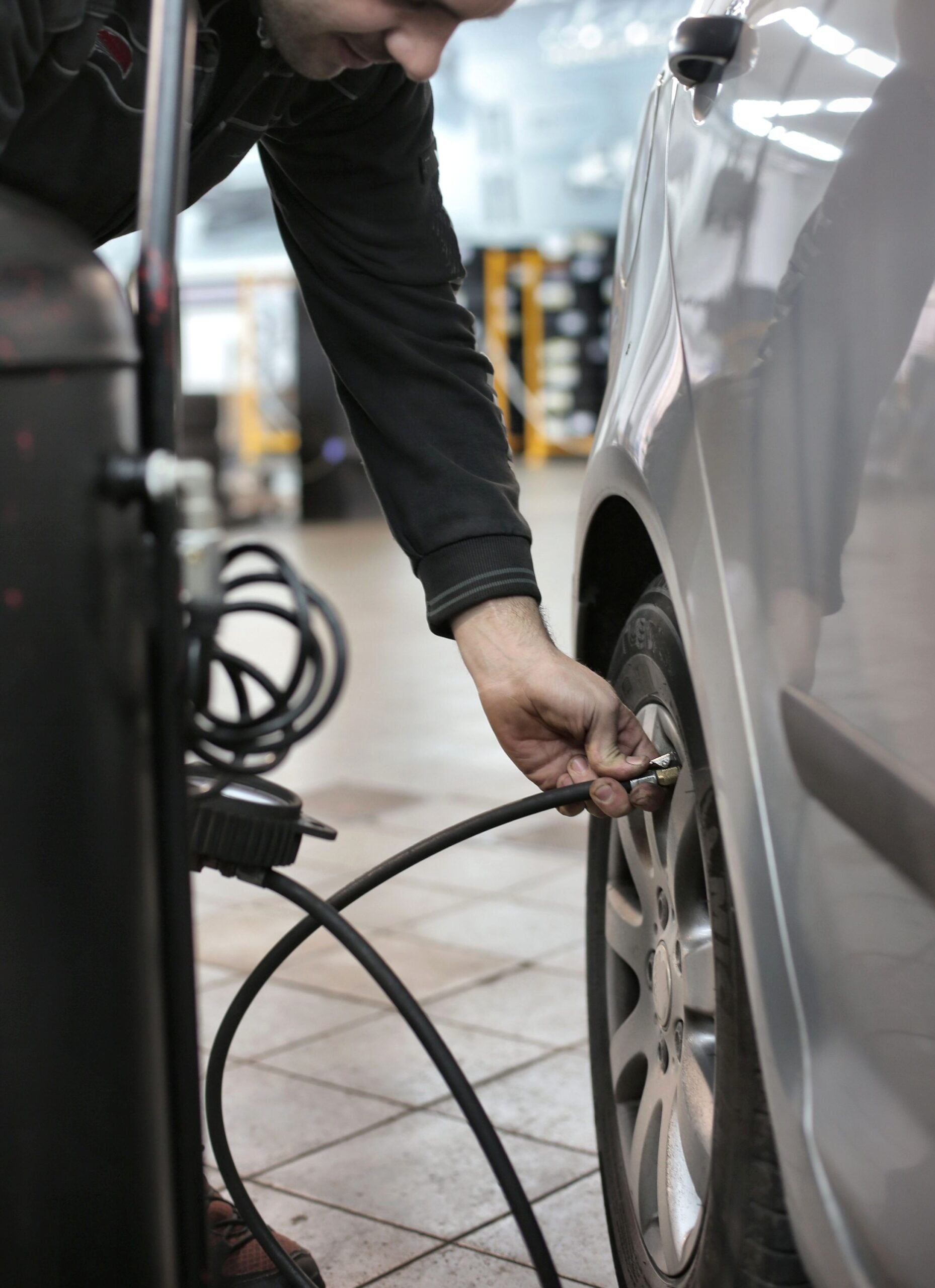
- Tires: Check pressure when tires are cold and inspect tread for cracks, bulges, nails, or uneven wear. Keep a tire gauge in the vehicle and use the pressure listed on the driver-door placard.
- Visibility: Test headlights, brake lights, turn signals, and hazards. Inspect wiper blades for smearing or streaks, and refill washer fluid.
- Leaks & Sounds: Look under the vehicle for fresh leaks, and listen for new squeaks, rattles, clicking, or grinding.
Keep Up With Oil, Fluids, and Filters
Use the manufacturer’s specified oil and service interval, checking the level on flat ground when the manual permits.
Coolant controls operating temperature, brake fluid supports hydraulic braking, transmission fluid protects internal components, and power steering fluid maintains smooth handling.
An engine air filter supports proper airflow, while a cabin air filter helps the climate-control system move cleaner air through the interior.
Pollen, dust, humidity, and frequent air-conditioning use can make a neglected cabin filter more noticeable through weak airflow or lingering odors.
Watch Tires and Brakes Closely
Tires are vital during wet-weather driving. Follow the manufacturer’s rotation interval, inspect the full tread surface, and check the spare tire or inflator kit.
If the vehicle pulls to one side, the steering wheel is off-center, or the tread wears unevenly, arrange an alignment inspection.
Squealing, grinding, vibration, pulling, a soft pedal, longer stopping distances, or a brake warning light all require prompt attention.
Replacing worn pads early often prevents additional damage to rotors and other brake components.
Pay Attention to Batteries and Warning Lights
Heat can shorten battery life, and a battery may weaken long before it fails to start the vehicle. Slow cranking, dim lights, repeated jump-starts, and corrosion around terminals are common warning signs.
Have persistent electrical concerns professionally tested rather than assuming the battery is the only cause.
Do not treat every dashboard light the same.
A maintenance reminder may simply indicate scheduled service, but overheating, low oil pressure, brake-system, or flashing check-engine warnings require immediate attention.
Pull over safely and consult the owner’s manual if a serious warning appears.
Seasonal Care and Emergency Readiness
Spring is a good time to check wipers, brakes, alignment, and underbody wear. Before the hottest months, test the air conditioning, inspect cooling-system components, confirm coolant levels, and check tire condition before long road trips.
Keeping tires correctly inflated supports safer handling and efficient driving.
During storm seasons and periods of heavy rain, review emergency supplies, flashlight batteries, jumper cables, tire tools, drinking water, and the spare tire.
In milder winter months, drivers should still inspect lights, wipers, batteries, and tire tread regularly.
Keep Records and Know When to Seek Help
Maintain a paper or digital log with the service date, mileage, work completed, parts used, invoices, and notes about symptoms.
Set reminders for the next time-based or mileage-based interval. Good records simplify warranty discussions, improve resale confidence, and help identify repeating concerns.
Basic home checks include tire pressure, visible leaks, washer-fluid refills, light testing, and wiper replacements.
Leave brake repair, wheel alignment, coolant-system repair, transmission service, electrical diagnosis, airbag work, steering concerns, and warning-light diagnosis to qualified technicians.
FAQ
How Often Should a Car Be Serviced?
Follow the owner’s manual, considering both mileage and calendar intervals. Extreme heat, towing, short trips, and heavy traffic call for more frequent attention.
What Should Be Checked Before a Road Trip?
Check tire pressure and tread, oil and coolant levels, lights, brakes, wipers, washer fluid, battery condition, and emergency equipment. Regular care gives drivers a stronger chance of finding trouble before the road does.
Keep Your Vehicle Running Smoothly Year-Round
Staying proactive with routine vehicle care is the best way to extend the life of your car, protect your safety, and avoid costly unexpected repairs down the road.
By incorporating these six simple habits into your regular routine, you can keep your vehicle running smoothly and efficiently through every season.
What routine maintenance step do you tend to check most often on your own vehicle?

PIN FOR LATER:


Darasak is the co-founder of Whispered Inspirations. Our assistant creative director that aids in developing content throughout the site. He assists in recipe creation and covers men’s lifestyle topics. You can get to know him a little better by checking out his Insta, @DChanz17. Follow his adventures and do not hesitate to reach out!