From Everyday Routine to Everyday Retreat: Planning a Bathroom That Truly Works
Planning a Bathroom That Works
A bathroom remodel can change much more than the way a room looks. Better storage can simplify mornings, improved lighting can make daily routines easier, and a thoughtful layout can turn wasted space into something genuinely useful.
In Carmel, where the Census Bureau estimates the 2025 population at 105,634 and reports that 74.3% of occupied housing units are owner-occupied, thoughtful home improvements can carry meaningful long-term value.
The best remodels begin by solving everyday problems before attention shifts to tile patterns, faucets, and other finishing touches.
Begin With the Way You Actually Live
Before scrolling through design inspiration, pay attention to how the existing bathroom performs during an ordinary day.
Maybe two people compete for counter space every morning.
Perhaps towels have nowhere convenient to go, the shower feels unnecessarily cramped, or toiletries have slowly taken over every available surface.
Those frustrations provide valuable clues about where renovation money will have the greatest impact.
Instead of building a long wish list, identify the changes that would make the room noticeably easier to use.
Better drawers may matter more than decorative shelving. A larger shower might be more useful than keeping a bathtub nobody uses.
Function gives the project direction and makes later design decisions much easier.
Bring in the Right Expertise
Bathroom remodeling brings several specialized jobs together in a compact space. Waterproofing, plumbing, electrical work, ventilation, tile, and cabinetry all need to coordinate properly.
Mistakes behind finished surfaces can be difficult to correct later.
Working with a bathroom remodeler in Carmel can make it easier to evaluate which changes are realistic for the space and which upgrades deserve priority.
A local experience can also be helpful when discussing project requirements, common home layouts, and how the proposed renovation fits the property.
Clear communication should begin before demolition.
Make sure the scope explains who handles materials, specialized trades, cleanup, schedule changes, and unexpected repairs.
Give the Budget Room for Reality
Bathroom renovations have a way of becoming more complicated once work begins. Tile, fixtures, cabinetry, and lighting are easy to budget for because they are visible.
Plumbing, electrical work, waterproofing, demolition, disposal, and repairs behind walls are less exciting but equally important.
Current estimates put the average bathroom remodel at around $10,000, while extensive customized renovations can cost considerably more.
Understanding typical bathroom remodeling costs can make it easier to decide where to save and where spending more may produce lasting value.
It is also sensible to keep part of the budget untouched for unexpected discoveries. Moisture damage, deteriorated subflooring, or aging plumbing can appear after demolition begins.
A financial cushion lets you address those problems properly without sacrificing another important part of the remodel.
Make the Layout Earn Every Inch
Bathrooms often have limited square footage, which means poor layout decisions become noticeable quickly.
A door that collides with a vanity or a toilet squeezed beside a shower can make even an attractive room uncomfortable.
Moving plumbing can increase costs considerably, so changing the layout should have a clear purpose.
If the existing arrangement works, leaving major fixtures in place may allow more of the budget to go toward materials and finishes.
But saving money should not mean preserving a frustrating design forever. Relocating a fixture may be worthwhile if it creates a larger shower, improves movement, or provides significantly better storage.
Imagine using the finished bathroom rather than simply looking at it. Good layouts tend to feel effortless because everything is where you naturally expect it to be.
Choose Materials That Can Handle the Routine
Bathrooms expose materials to humidity, splashes, cleaning products, cosmetics, and frequent temperature changes.
A surface that looks impressive in a showroom still needs to survive ordinary life.
Porcelain tile can work well in wet areas, while low-maintenance countertop materials may suit busy households.
Cabinetry should tolerate humidity, and flooring should provide enough grip to feel comfortable when wet.
Maintenance deserves just as much attention as durability.
Intricate grout patterns and heavily textured surfaces can create additional cleaning work. Highly polished finishes may reveal water spots faster than expected.
There is plenty of room for personality, but practical materials usually remain attractive longer because keeping them that way does not become a constant chore.
Treat Lighting and Ventilation as Part of the Design
A beautiful bathroom can still feel disappointing when lighting creates harsh shadows or moisture hangs in the air long after every shower.
Lighting works best in layers.
General illumination can brighten the room, while task lighting around the mirror makes shaving, skincare, and other routines easier.
Softer lighting can create a more comfortable atmosphere when bright illumination is unnecessary.
Ventilation deserves similar planning.
An effective exhaust fan helps manage humidity that could otherwise affect paint, cabinetry, grout, and other surfaces.
These details may not be the first things people notice in a finished renovation, but they strongly influence how well the bathroom performs over time.
Build Storage Around What You Own
Showroom bathrooms can get away with displaying three folded towels and one decorative bottle. Real bathrooms have toothbrushes, skincare products, medicines, cleaning supplies, hair tools, spare toiletries, and plenty of things nobody wants sitting on the counter.
Storage should reflect that reality.
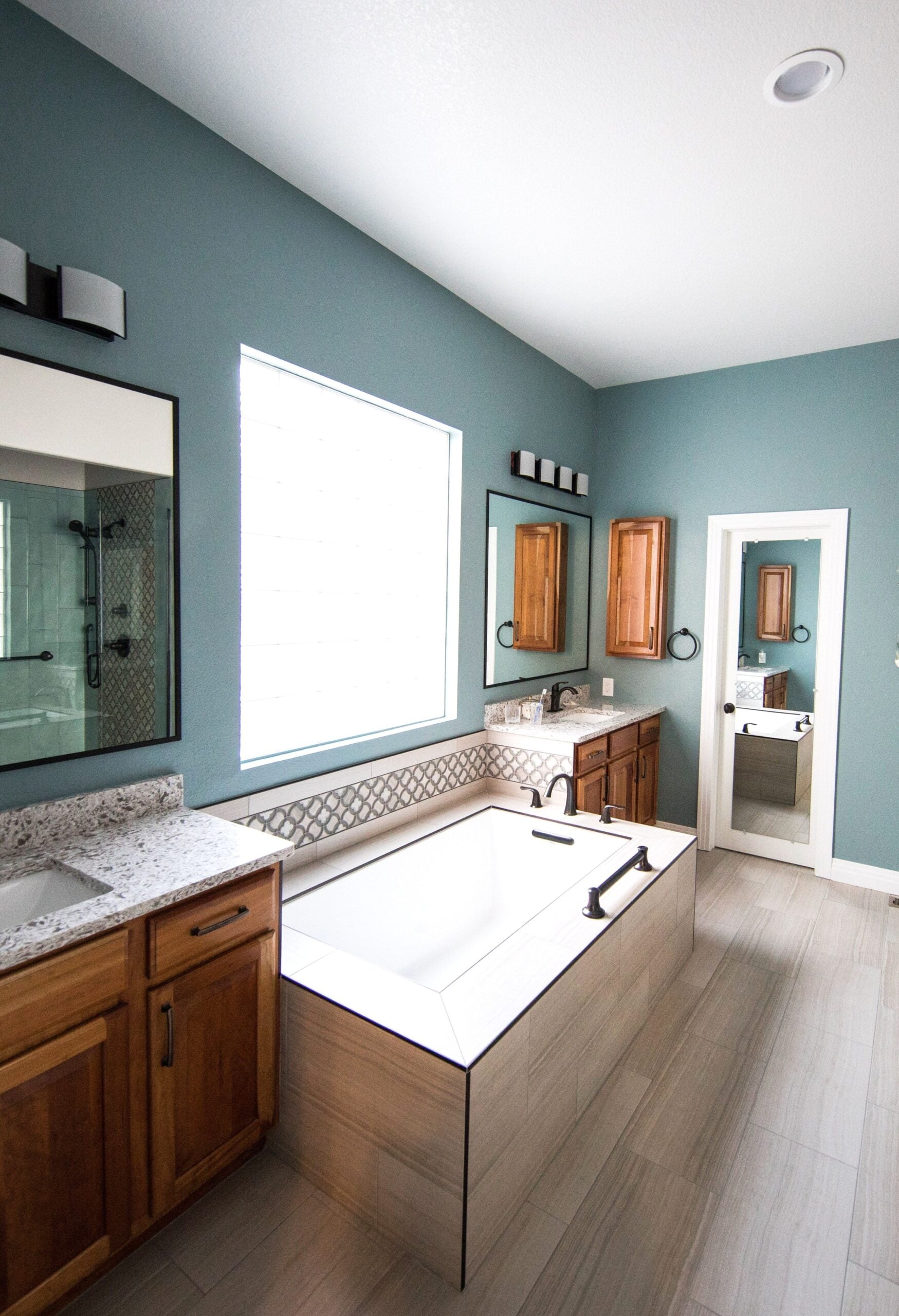
Drawers often make small items easier to organize than deep cabinets. Recessed shower niches can keep bottles off ledges, while medicine cabinets provide useful storage without consuming floor space.
Tall cabinetry can take advantage of vertical room when square footage is limited.
The goal is not necessarily to add as much storage as possible. It is to put the right storage near the places where those items are actually used.
Choose the Professional, Not Just the Price
A remodeling estimate tells you how much a project might cost, but the lowest total does not necessarily offer the best value.
Look carefully at what each proposal includes. Labor, demolition, disposal, finishing work, and material responsibilities should be clear enough that you can make a meaningful comparison.
An unusually inexpensive quote becomes less appealing when important work has simply been excluded.
Knowing what to consider when hiring a bathroom remodeling contractor can help you evaluate experience, references, estimates, communication, and project expectations before making a commitment.
The planning stage also gives you a preview of the working relationship. Clear answers and organized communication can matter enormously once construction is underway.
Design for More Than the Reveal
A successful bathroom should still feel comfortable years after the final photographs are taken. Trends can provide inspiration, but permanent and expensive features deserve a longer perspective.
Consider creating a versatile foundation through durable flooring, practical cabinetry, and well-planned fixtures.
Personality can then come through mirrors, hardware, lighting, paint, and accessories that are easier to update later.
Most importantly, design around real life.
A bathroom does not need to resemble a showroom to feel special. When storage makes sense, movement feels natural, lighting works properly, and materials are easy to maintain, the room becomes noticeably better every day.
That balance between beauty and usefulness is what turns a renovation into an improvement that continues to feel worthwhile long after the project is finished.
Are you planning a bathroom for your home?
Sound off, below!
—Matt
PIN FOR LATER:
I am a contractor and just a DIY guy in my spare time. I love building things and sharing my knowledge with other DIY’ers. You can do anything you set your mind to! When I am not building or fixing something, I am all about baseball. Go Tigers, go!