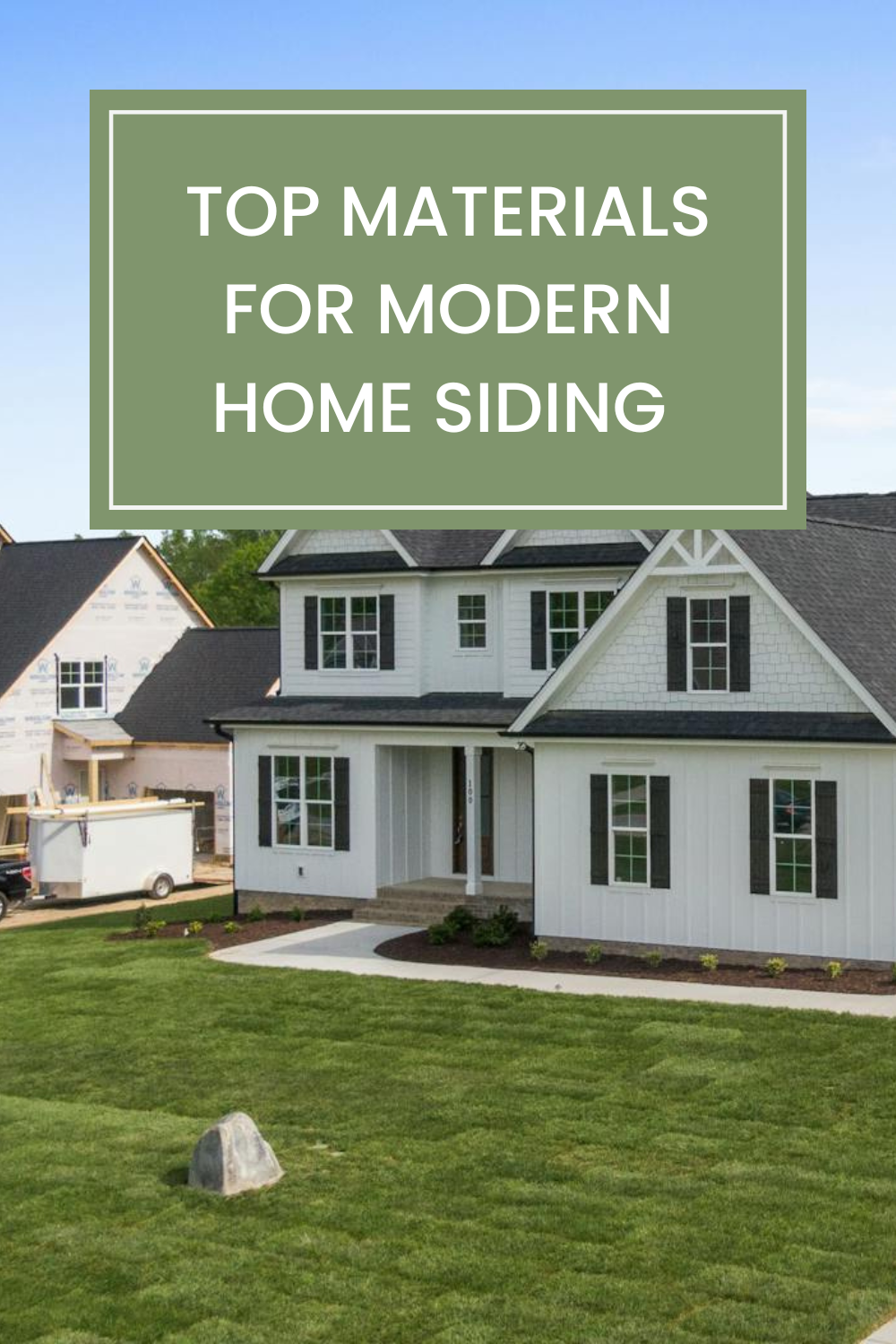
Top Materials for Modern Home Siding in 2026
Key Takeaways
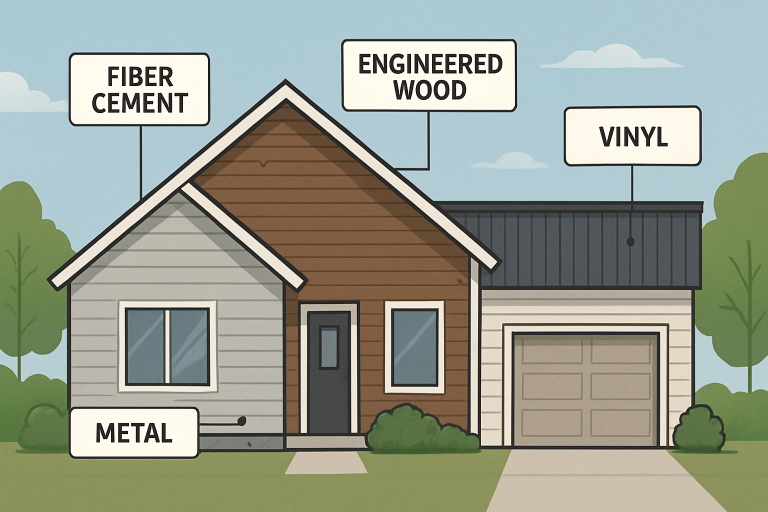
- Fiber cement siding offers exceptional durability with a classic, wood-like appearance.
- Engineered wood siding provides natural warmth, enhanced resistance, and sustainable appeal.
- Vinyl siding is an affordable, low-maintenance option that complements a wide range of home designs.
- Metal siding is sleek, fire-resistant, and built to last—ideal for modern design lovers.
- Insulated siding makes homes more energy efficient by minimizing heat transfer.
Upgrading your home’s siding is one of the most impactful investments homeowners can make. It affects everything from energy efficiency to curb appeal and long-term durability.
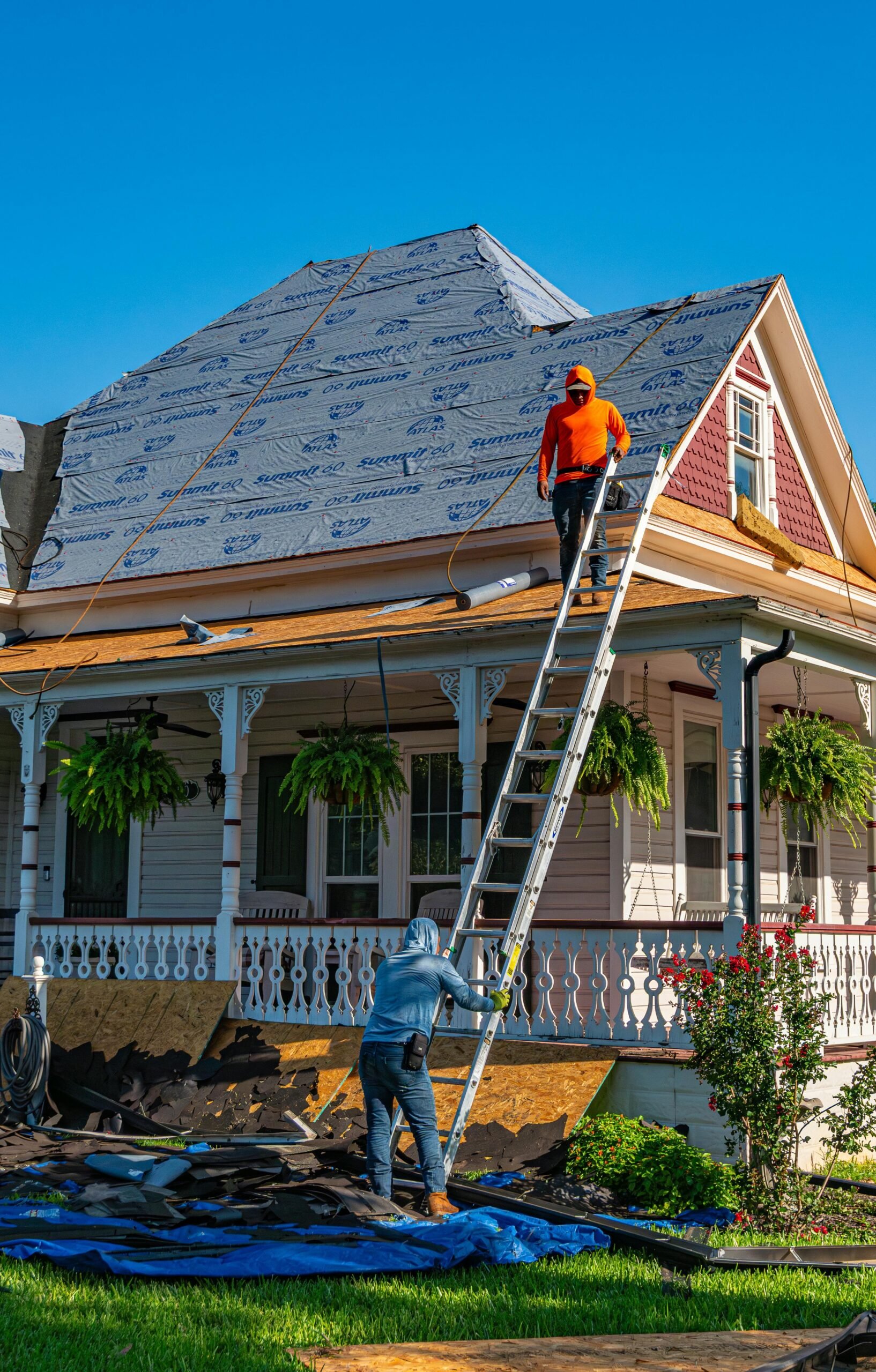
With climate concerns, changing style trends, and technological advances, it’s essential to carefully compare modern siding choices. In addition, you should do this with guidance from a reputable siding contractor Sacramento.
They can help to find the right match for your region and architectural tastes.
Siding serves as the first line of defense against the elements. Furthermore, it determines more than just the home’s look; it dictates the level of maintenance needed, potential energy savings, and even resale value.
For Sacramento-area homeowners and beyond, finding the right siding involves evaluating materials based on their performance, costs, and environmental impact.
There are several premium options that outperform older siding types, offering longevity and beauty with less upkeep.
Today’s market makes it easier than ever to select from a variety of durable, eco-conscious, and innovative solutions. These fit any budget or design.
Fiber Cement Siding
Fiber cement siding is a powerhouse in the home improvement world, boasting a distinct blend of longevity, versatility, and classic curb appeal.
This resilient material is crafted from cement, sand, and cellulose fibers, making it impervious to fire, pests, and rot.
Homeowners love that fiber cement can replicate the look of painted wood or even masonry. All while dramatically reducing the maintenance headaches associated with real wood.
One point to note is that installation requires special tools and skills due to the product’s weight. Consequently, it is best handled by professionals.
Industry leaders like James Hardie popularized the look, and its popularity continues to grow because it resists warping, swelling, and cracking—even in diverse climates.
Maintenance is generally limited to an occasional rinse and periodic repainting.
Engineered Wood Siding
Engineered wood siding offers all the appeal of traditional wood with much-improved durability and sustainability.
It’s made from real wood fibers combined with resins and waxes, resulting in strength and resistance to excessive moisture, fungal growth, and pests.
This material is often easier and faster to install than fiber cement. In addition, it can be an eco-friendly choice for homeowners seeking natural beauty with added convenience.
However, it is still wise to regularly paint or stain engineered wood to ensure ongoing protection from the elements and maintain its fresh appearance.
Vinyl Siding
Vinyl siding remains the gold standard for cost-effective, low-maintenance home improvement. It’s available in a wide range of colors, textures, and panel sizes.
Therefore, it is perfectly suited to a wide array of architectural styles.
Vinyl’s resistance to rot, moisture, and insect activity keeps maintenance minimal; usually, an annual rinse is enough.
While modern vinyl has come a long way in durability, it can still become brittle in extreme cold and potentially fade or crack over time.
For this reason, it is best used in moderate climates.
Though vinyl siding is less environmentally friendly during manufacturing, brands continue to make progress in recycling and greener practices, as reported by The Spruce.
Metal Siding
Metal siding, especially aluminum and steel varieties, is surging in popularity for those desiring a bold, contemporary exterior.
This material’s unmatched fire resistance, insect-proof qualities, and long-lasting finish (when powder-coated) make it a smart long-term choice.
This is especially true for wildfire-prone areas.
Metal siding rarely warps or cracks but can dent from impacts. For best results, it should be combined with additional insulation to avoid temperature fluctuations.
Though the cost per square foot is higher, the minimal maintenance and longevity can balance out the upfront expense over time.
Insulated Siding
Insulated siding is an evolution of classic options. They feature panels with built-in foam backings that deliver improved energy performance.
By reducing heat transfer, insulated siding helps homes stay cooler in summer and warmer in winter. Ultimately, it lowers monthly energy bills.
This siding style is ideal for those completing major remodels or looking to boost efficiency. Many insulated siding products carry ENERGY STAR ratings and are eligible for local and federal rebates.
Homeowners also appreciate its improved stability and smoother fit against home walls compared to standard panels.
Composite Siding
Composite siding raises the bar for modern durability and energy efficiency. Using a high-tech mixture of glass-reinforced polymers and graphite-infused polystyrene, composite siding achieves premier resistance to wind, impacts, and fire.
This often earns a coveted Class A rating for flame and smoke spread.
Many composite products also provide real insulating value to the exterior envelope. As a result, they contribute to more consistent interior comfort and potential year-round savings.
With its leading-edge construction, composite siding is gaining traction as a future-proof solution for both new construction and replacement projects.
Eco-Friendly Siding Options
The demand for sustainable home solutions is stronger than ever. Homeowners now have excellent choices in siding made from recycled wood fibers, reclaimed metal, and rapidly renewable materials such as bamboo.
These eco-friendly options maintain high durability while leaving a lighter environmental footprint.
They also offer distinct visual appeal and can qualify homes for green certifications or tax incentives in some areas.
Which Siding Would You Choose?
Selecting the right siding material is about balancing goals. Whether that’s unrivaled curb appeal, longevity, ease of upkeep, or environmental responsibility.
With so many innovative and traditional siding materials on the market for 2026, consulting with an experienced local contractor ensures you get the best solution for your home’s style.
This also benefits your family’s long-term comfort.
Let me know, sound off below!
— Matt
PIN FOR LATER:
I am a contractor and just a DIY guy in my spare time. I love building things and sharing my knowledge with other DIY’ers. You can do anything you set your mind to! When I am not building or fixing something, I am all about baseball. Go Tigers, go!