Why Tubas Might Be the Best Instrument Choice Your Kid Ever Makes
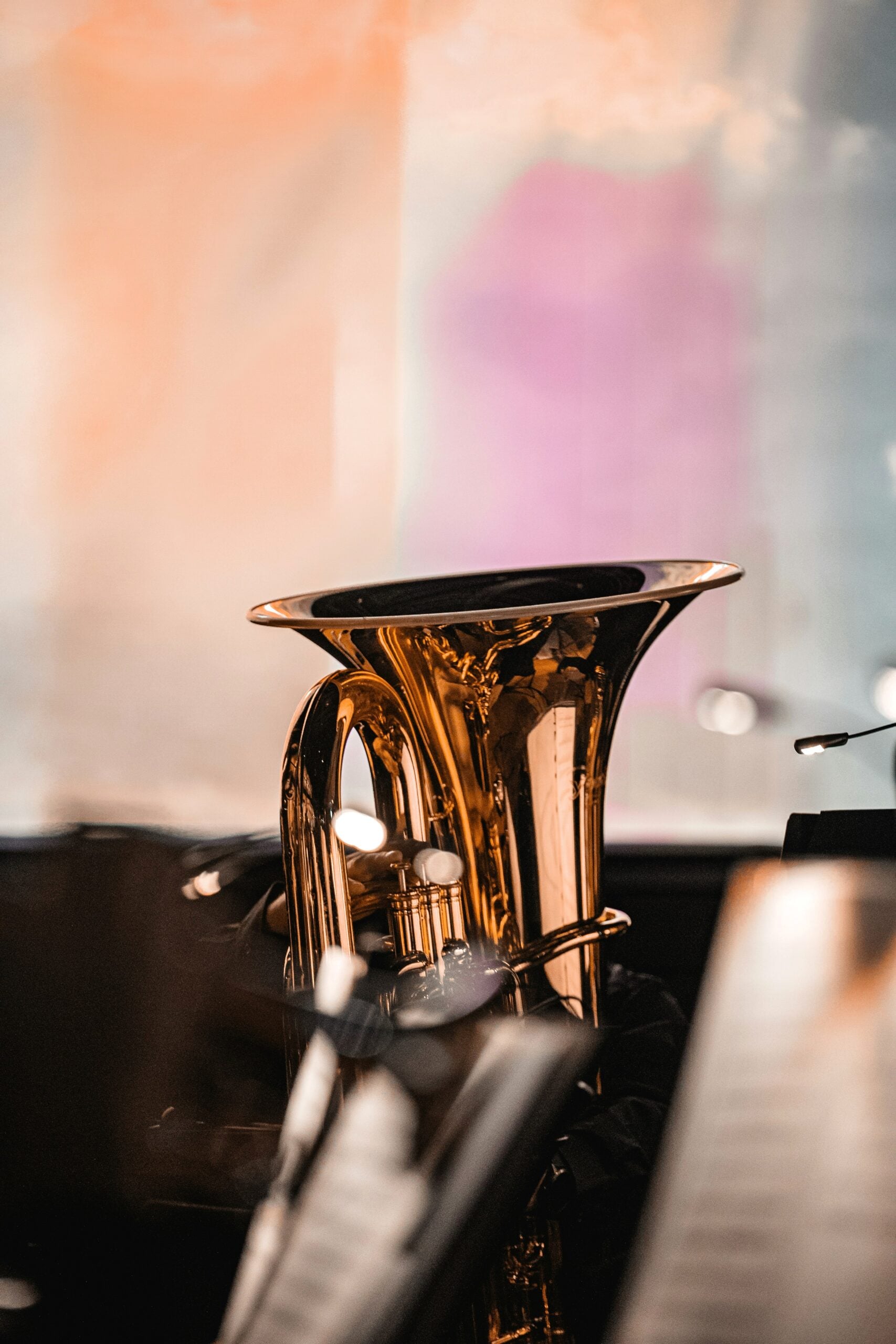
Why Tubas Might Be the Best Instrument
Everyone wants to play the trumpet. There are eleven of them in the section, four kids on the waiting list, and your child is somewhere in the middle of that queue, hoping to eventually get a part worth playing.
Meanwhile, there’s one tuba player, sometimes none, and a band director who would genuinely like to hear from you. That imbalance isn’t a footnote to the decision; it’s most of the argument.
Scarcity shapes a young musician’s experience more than almost anything else, and it compounds across years in ways parents rarely anticipate at the point of choosing.
Families weighing this in Georgia are usually thinking about which instrument their child will enjoy, which is reasonable and incomplete.
Here’s the case for the one nobody’s competing for: the advantages that come from an instrument most families never seriously consider.
Scarcity Creates Opportunity From the First Year
A beginner trumpet player sits in a large section and waits. A beginner tuba player is frequently needed immediately, because ensembles cannot function without a bass line and there usually isn’t a queue behind them competing for the same parts.
Directors often place a new tuba player right into rehearsal from week one, simply because the band genuinely needs the coverage.
That difference in playing time compounds fast.
More rehearsal involvement means faster improvement, faster improvement means more responsibility, and by the third or fourth year the gap between a scarce instrument and a crowded one is substantial.
The same child would likely have progressed more slowly in a section of twelve.
Low Brass Instruments Can Open Doors to Better Ensembles
Community bands, honor ensembles, and youth orchestras all need low brass and frequently struggle to find it.
Auditions that are fiercely competitive for other instruments can be considerably more accessible here, simply because far fewer students choose this path in the first place.
This isn’t about lowering standards; it’s about supply.
A competent tuba player is genuinely valuable in a way that a competent trumpet player, of whom there are many, sometimes isn’t.
That access to better ensembles earlier is one of the more concrete advantages available, and it shapes how far a young musician gets, often years before their peers on more crowded instruments reach the same opportunities.
The Cognitive Benefits Are Genuinely Documented
Learning any instrument appears to carry cognitive advantages, and the research is reasonably robust. A study published through the NIH’s National Center for Biotechnology Information found that middle school students in a music curriculum showed better performance on audiovisual working memory and fluid intelligence than a control group.
Even when controlling for pre-existing differences in musical sophistication.
Worth noting honestly: the same paper acknowledges researchers continue debating causal direction, since children with higher measured ability may simply be more inclined to take music lessons in the first place.
Rather than lessons themselves driving the improvement.
The association is real.
The mechanism remains contested, which is an important distinction to hold onto rather than treating the finding as settled proof that any instrument, tuba included, directly causes cognitive gains.
Low Brass Builds Skills the Melody Doesn’t
Playing bass lines develops a specific musical literacy, since a tuba player has to hear the harmonic structure underneath everything rather than following a tune.
This kind of listening is genuinely different from what melody instruments require, and it often shapes how a child understands music theory years down the line.
People researching Tubas for a beginner usually find that this harmonic training matters more than they expected.
This is particularly true for children who later pick up other instruments and discover they already understand how the pieces fit together.
Because O’Malley Musical Instruments carries student-level models alongside more advanced ones, a family can see how the progression works before committing.
This helps when a child’s involvement extends past the first couple of years.
Watching that range firsthand also makes it easier to plan ahead, rather than guessing at what an eventual upgrade might actually look like.
Practical Advantages Parents Underestimate
Several things about this choice are simply easier than with more popular instruments:
- Schools often supply the instrument: large brass is frequently owned by the programme rather than the family
- Less at-home noise: tuba practice is lower in pitch and generally less piercing than a beginner violin or trumpet
- Slower obsolescence: a student tuba serves for years rather than needing rapid upgrades
- Reduced competition for parts: fewer players means less audition pressure each season
None of these decide the question alone, and together they remove several of the frictions that cause families to give up on music programs in the first two years.
It Suits Children Who Don’t Want the Spotlight
Plenty of children want to participate seriously in something without being individually exposed. The tuba offers exactly that.
An essential role, real responsibility, and almost no risk of being singled out mid-performance.
It’s a rare combination in a world where most instruments eventually require some kind of solo moment, whether in a recital, an audition, or a featured passage in front of an audience.
For a child who is quietly capable but dreads solo attention, this is a genuinely rare fit.
They get the ensemble experience, the friendships, and the progression without the performance anxiety that pushes some children away from music entirely.
This allows genuine musical growth to happen without the pressure that so often accompanies it.
Final Thoughts
The strongest case here isn’t that tuba is more enjoyable than other instruments, since that depends entirely on the child.
It’s that the same effort produces more opportunity, faster progression, easier ensemble access, and less competition, simply because fewer people choose it.
Add reasonably documented cognitive benefits and a set of practical advantages around cost and noise, and the choice looks considerably better than its reputation suggests.
Talk to the band director about what the program actually needs, ask whether an instrument can be borrowed for a trial term, and let your child spend a fortnight with it before anyone commits.
Popularity is a poor guide to what will serve them best.
Have you ever considered giving tubas a try?
—Miss Lily
PIN FOR LATER:

Miss Lily is a passionate primary educator dedicated to making learning fun, creative, and inclusive. She specializes in hands-on learning that sparks curiosity and builds confidence in young minds.